PHOTO
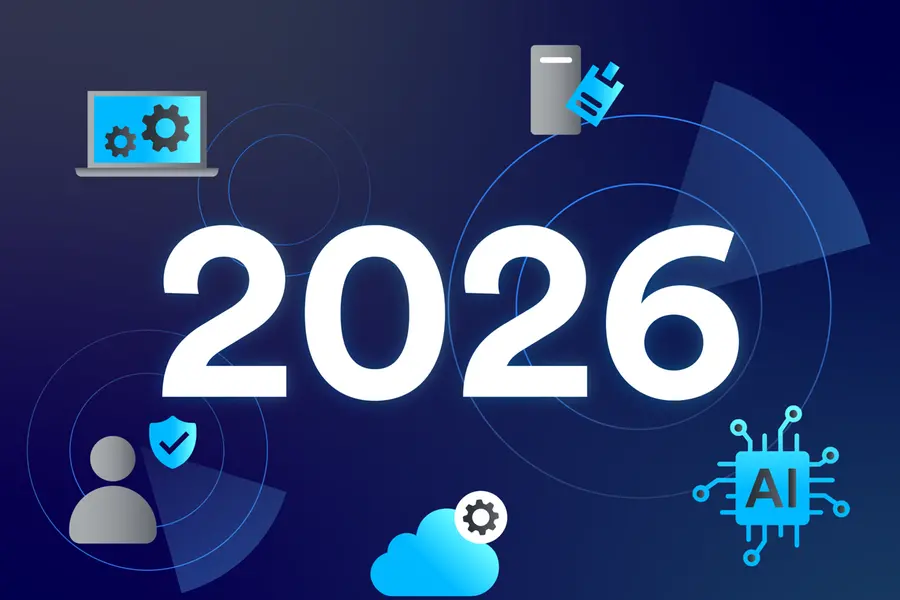
DUBAI, Genetec Inc. (“Genetec”), the global leader in enterprise physical security software, predicts four key trends that will shape physical security strategies in 2026, from flexible cloud deployment and intelligent automation to modernized access control and more connected, unified security operations. Against a backdrop of rising cyber-physical risk and growing data volumes, these trends are set to influence how organizations in the Middle East and beyond invest in and manage their security environments.
1. Choice and flexibility will define the next phase of cloud adoption
Organizations will prioritize solutions that offer deployment flexibility and scalability. They will then choose the environment that best supports their operational needs, whether it’s on-premises, in the cloud, or a hybrid approach. Open architecture solutions will give end users the freedom to choose the devices and applications that best support their operations. This approach will extend the life of existing infrastructure while allowing teams to adopt cloud services where they add the most value.
2. AI moves from hype to intelligent automation
In 2026, the conversation will shift from AI and LLM hype to practical, outcome-driven Intelligent Automation (IA) solutions that streamline workflows, improve accuracy, and enable faster, smarter decisions. Rather than adopting technology for its own sake, users will focus on features that genuinely improve daily operations, such as intelligent search to accelerate investigations, reduce false alarms, and strengthen situational awareness. As the market matures, expectations around transparency and responsible implementation will rise. Users will demand clarity on how AI is used, how systems are built, and how data is collected, processed, and protected.
3. Access control modernization will accelerate
Access control will remain a top priority as organizations modernize legacy systems and focus on maximizing ROI. The value of access control is expanding well beyond locking and unlocking doors to deliver measurable business outcomes, such as energy efficiency, occupancy management, and operational insights. Access Control as a Service (ACaaS) adoption will accelerate as organizations prioritize easier maintenance, greater scalability, and predictable operating costs.
4. Connected systems will bring intelligence and efficiency to security operations
Over the next year, the number of connected devices will continue to surge as organizations integrate IoT sensors, building systems, and smart devices into unified security and operations platforms. Bringing this information together in one place will give teams a clearer view of what is happening across their facilities and help them respond faster and with greater confidence. The convergence of IT, operational technology, and physical security will accelerate, enabling real-time data sharing and smarter decision-making across facilities.
As the landscape grows more complex, organizations will seek guidance on how to deploy the right technologies and manage them effectively.
About Genetec
Genetec Inc. is a global technology company that has been transforming the physical security industry for over 25 years. The company’s portfolio of solutions enables enterprises, governments, and communities around the world to secure people and assets while improving operational efficiency and respecting individual privacy.
Genetec delivers the world's leading products for video management, access control, and ALPR, all built on a unified, open architecture and designed with cybersecurity at their core. The company’s portfolio also includes intrusion detection, intercom, and digital evidence management solutions.
Headquartered in Montreal, Canada, Genetec serves its 42,500+ customers via an extensive network of accredited channel partners and consultants in over 159 countries.
For more information about Genetec, visit: https://www.genetec.com
© Genetec Inc., 2025. Genetec™ and the Genetec logo are trademarks of Genetec Inc. and may be registered or pending registration in several jurisdictions. Other trademarks used in this document may be trademarks of the manufacturers or vendors of the respective products.