PHOTO
(The opinions expressed here are those of the author, a columnist for Reuters.)
NEW YORK - Fresh optimism over a possible end to the Iran war has pushed the U.S. dollar back to pre-conflict lows. If it weren't for the U.S.-focussed artificial-intelligence boom, the greenback might be a clear casualty of any peace deal.
Aside from oil itself, one of the few global prices to rise on the outbreak of conflict was the dollar exchange rate - mainly by default. The other major economies in Europe and Asia were seen as more exposed to the energy shock than oil-rich America.
Elements of a "safety" bid also helped at the margins, with Gulf states and others seeking liquid dollar assets. But the move was mainly a relative-performance play.
The gains were relatively modest: the DXY index against the most-traded currencies rose as much as 3% in the war's first month.
Now it has given all of that back.
Hesitant de-escalation and a shaky ceasefire have gradually sapped thedollar's strength. A firmer greenback also ran into considerable resistance from countries fearful it would exaggerate their bloated energy import bills - most visibly in Japan's dollar-selling intervention only last week.
Whether a trapdoor now opens beneath the dollar if the war ends and the Strait of Hormuz reopens is now a central question for global markets.
Three main issues top the list in figuring all that out.
The first is how quickly an oil-price normalization would revive Federal Reserve easing speculation to the interest rate futures strips - while zapping the summer tightening bias in Europe and Asia.
Given that the war and oil spike roughly took two future rate cuts off the Fed horizon this year and added them to the euro zone and British outlooks, then the relative shift in rates arguably canceled itself out.
Even so, the twin energy and rate threats have cast a darker shadow over European growth, and the euro could be a bigger beneficiary if both are removed together.
With energy experts warning it may be months to normalize fuel markets even if the conflict ended now, it's then a question of how quickly inflation rates and expectations can subside to return central banks to pre-war settings.
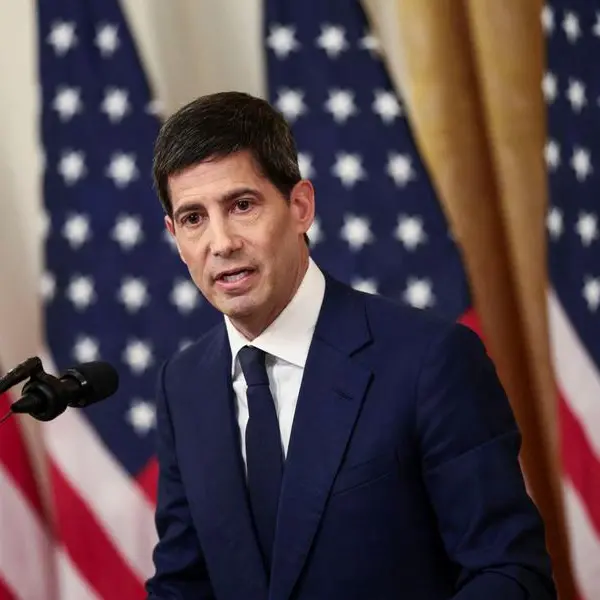
The arrival of U.S. President Donald Trump's appointee to the Fed chair this month may see U.S. easing talk return as Kevin Warsh takes the hot seat. Against that, the U.S. stock market, broad economy and labor market soundings offer little cover for rate cuts, and Warsh will clearly face stiff resistance from regional Fed bosses.
In Europe, the hawks have had the upper hand in recent weeks - but still much weaker underlying economies there will argue against early rate rises if oil prices are already on the wane.
SELL DOLLARS IN MAY?
The second issue is the planned Beijing summit between Trump and China's President Xi Jinping this month — postponed because of the war - and whether it revives pressure for further yuan strength to ease one more friction point on an already fraught list of trade feuds. As the latest attempt at a peace deal in Iran unfolded on Wednesday, the dollar touched its weakest level against the offshore renminbi in more than three years. It is down over 2% against the yuan so far this year, against a loss of just 0.2% for the DXY.
If the Trump administration's presumed bias toward a weaker dollar is to get results, the yuan channel looks like the most likely vehicle.
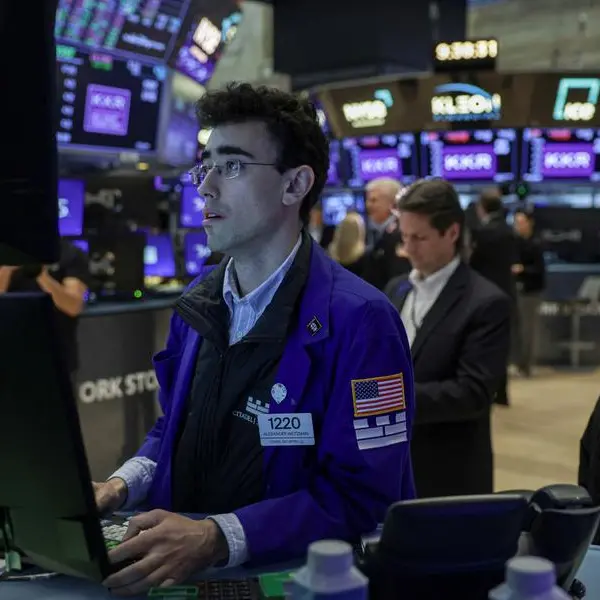
The third factor, and the one dollar bears tend to underestimate, is the elephant in the room: the eye-popping Wall Street rebound, driven by sharply upgraded U.S. profit forecasts and blistering AI investment spending.
If capital flows drive the dollar as much as rate gaps or trade, then a relative switch back to U.S. equities can provide a powerful support.
Profit-growth forecasts for S&P 500 companies for 2026 have surged to as high as 23% from around 15% when the war began.
Euro zone Stoxx equivalents have also risen, but by only three percentage points, leaving 2026 profit-growth estimates a full 10 points behind the S&P 500.
U.S. stocks' forward price/earnings valuations remain much more expensive relative to Europe or historic averages, but a renewed price surge and momentum can paper over that as it's done for years.
So a dollar trapdoor may well exist. The drop beneath it, though, looks shallower than it first appears.
(The opinions expressed here are those of Mike Dolan, a columnist for Reuters.) Enjoying this column? Check out Reuters Open Interest (ROI), your essential new source for global financial commentary. Follow ROI on LinkedIn, and X. And listen to the Morning Bid daily podcast on Apple, Spotify, or the Reuters app. Subscribe to hear Reuters journalists discuss the biggest news in markets and finance seven days a week.
(by Mike Dolan; Editing by Marguerita Choy)