PHOTO
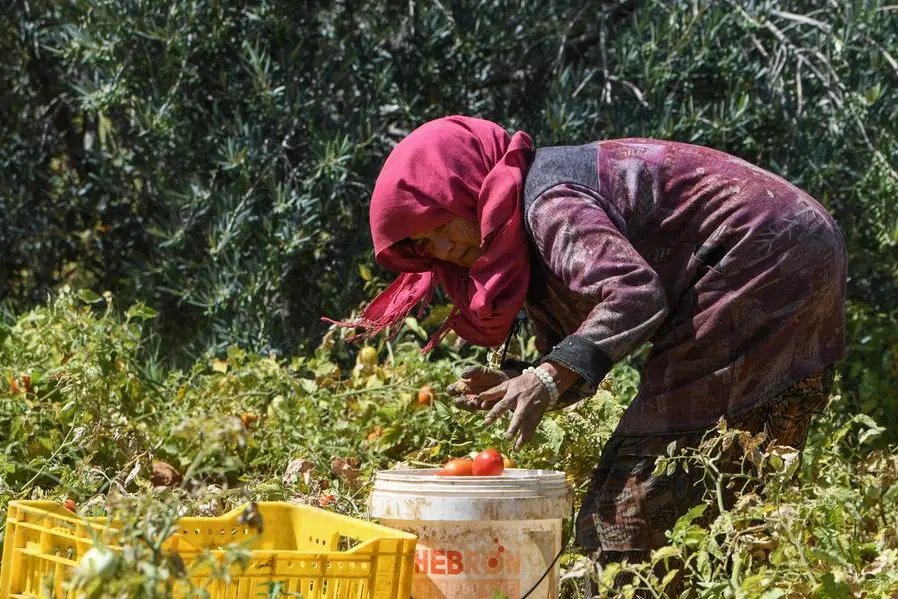
Mahdia – A historic pillar of the Tunisian economy, the agricultural sector plays a crucial role in food security and employment across most regions.
However, in the governorate of Mahdia, high salinity levels and dwindling water resources have historically encouraged strong specialisation in olive cultivation, often at the expense of vegetable farming.
Since 2024, new initiatives have been launched in Mahdia to restore the central role of agriculture and support regional development through integrated development projects led by the General Commissary for Regional Development (CGDR), under the Ministry of Economy and Planning.
Regional Coordinator of the Integrated Development Project (PDI) at the CGDR Adel Kacem pointed out that desalination plants have become a key lever for the region, enabling crop diversification, increased productivity, and enhanced agricultural profitability.
Irrigated areas have expanded to 154 hectares, benefiting 95 farmers, while water salinity has decreased from 6 g/l to approximately 1 g/l, facilitating the introduction of new vegetable varieties. The number of greenhouses has risen by 30% since 2023, with each now producing over 5 tonnes compared with less than 3 before, he underlined.
The Bir Ben Kemla pilot project – the first of its kind at the national level – includes a desalination plant, the second in the governorate, worth over TND 2.24 million, the official specified.
Funding for the project is provided by the Ministry of Agriculture, Water Resources and Fisheries under the Project PROmoting Sustainable Irrigation management and non-conventional water use in the Mediterranean (PROSIM), as well as the Integrated Development Programme.
The project aims to reduce irrigation water salinity, improve agricultural productivity, and diversify crops through the introduction of new vegetable varieties and adoption of modern water management techniques.
Farmers who had been previously limited to cultivating a single variety of pepper now grow multiple varieties alongside cucumber, tomato, and eggplant, Adel Kacem said, adding that the installation of photovoltaic stations at both the wells and desalination plant has significantly reduced energy consumption and operating costs.
Works carried out at the Gounat desalination plant (Sidi Alouane), costing over TND 654,000, alongside the rehabilitation of public irrigated areas at Oued El Arjoun (43 ha) and Ouled Chamekh 6, have contributed to restoring productivity and rationalising water use, he specified.
These efforts form part of an integrated vision aimed to position agriculture as a development driver complementary to fishing and tourism in Mahdia, where the rural hinterland remains deeply rooted in livestock farming and olive cultivation.
© Tap 2025 Provided by SyndiGate Media Inc. (Syndigate.info).