PHOTO
HONG KONG - India is deep in Asia’s $4 trillion water risk. That’s how much GDP is at stake if the region cannot better manage rivers that its economies depend on, according to China Water Risk. India looks most exposed.
It’s one of 16 countries that rely on a network of waterways flowing from the Himalayas. That’s a problem: its glaciers are melting fast due to climate change, altering the volume and reliability of river water.
Meanwhile regional populations and economies are growing, driving demand for water. And most of the basins cross international borders, complicating management of a dwindling resource.
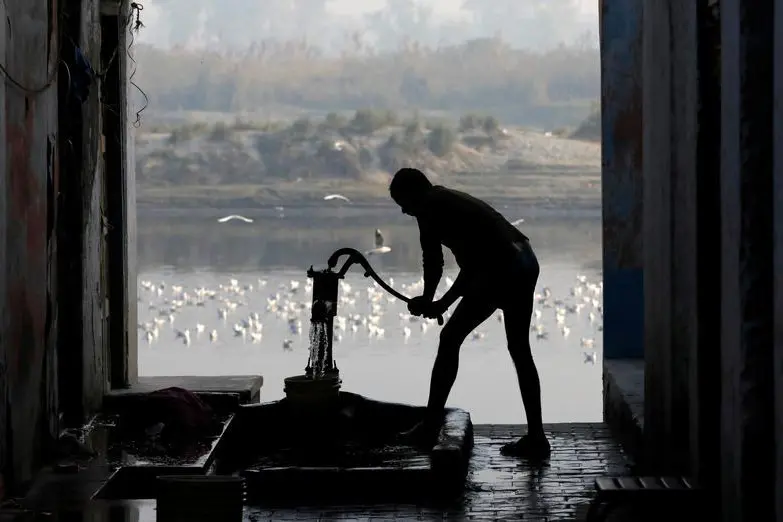
India already suffers from water scarcity, exacerbated by recent low rainfall – last month was the driest October on record for 42 years. Shortages in the capital, New Delhi, have led to tussles, and even killings. With current patterns, demand for water is expected to be twice available supply by 2030 according to McKinsey and the Water Resources Group, as the economy is set to double in size, reckons PwC.
Meanwhile, almost 70 percent of the country’s water is contaminated, according to Niti Aayog, a government think tank. Urban residents report waterways choked with excrement and plastic.
The Indus and Ganges watersheds account for around $1 trillion in GDP and are home to around half India’s 1.3 billion population. Water stress threatens guzzlers like agriculture, which uses most of India’s water. It also endangers the electricity supply, much of which is dependent on water-cooled thermal generators.
China, meanwhile, is tackling its own severe water stress head-on. Beijing integrated water management into its five-year plans, capping consumption and assigning responsibility for tracts of water to individual officials. Private-sector quotas have been introduced, and there is a robust trade in water credits on Taobao, China’s eBay, according to CWR founder Debra Tan.
But India is different. Individual states covet control over resources; national and provincial borders split rivers, entangling multiple interests; and the thirsty agricultural sector is powerful. Efforts to coordinate from the centre have fallen flat: A 2016 draft bill aimed at tightening up controls languished, while a campaign to clean the Ganges faltered.
Other countries that are irrigating growth with Himalayan water face similar challenges – notably Vietnam, Cambodia, Thailand and Myanmar. A literal liquidity crunch is coming down the mountain.
CONTEXT NEWS
- Last month was India’s driest October since 1976, according to the India Meteorological Department. The country received just 44 percent of the average rainfall for the month.
- Economic activity along 10 river basins generates around $4 trillion GDP in Asia, including more than $1 trillion in the Ganges and Indus basins, according to “No Water, No Growth”, a study published by China Water Risk on Sept. 18. The rivers can be traced back to the same source region, the Hindu Kush Himalayas. The so-called “third pole” and its resources are vulnerable to climate change, the research shows.
- India’s demand for water is projected to be double its available supply as soon as 2030, according to a report released in June by Niti Aayog, a government policy think tank. The report describes the country’s situation as “the worst water crisis in its history”.
(The author is a Reuters Breakingviews columnist. The opinions expressed are her own.)
(Editing by Antony Currie and Sharon Lam)
© Reuters News 2018