PHOTO
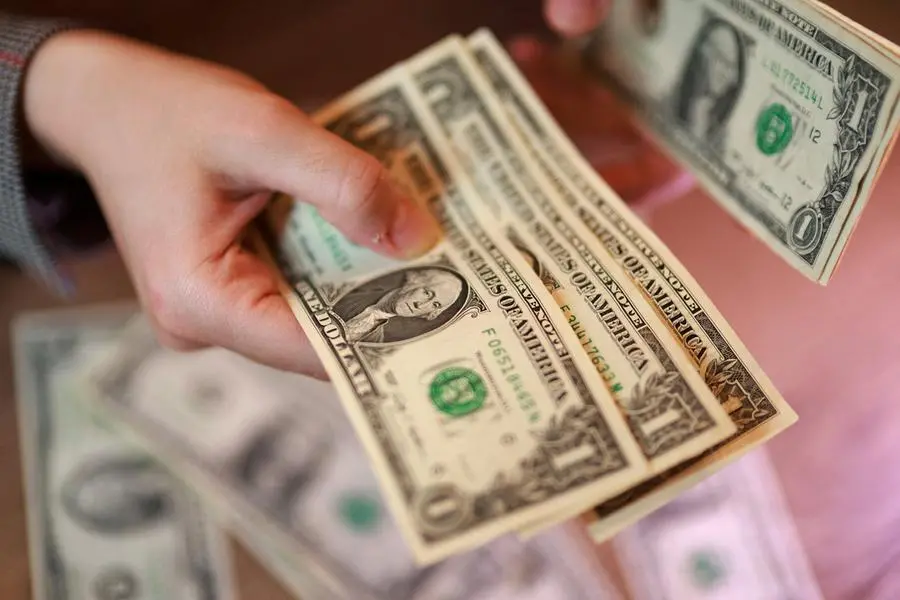
LONDON/TOKYO - The dollar was steady though it traded near a one-week high on Wednesday, as uncertainty over the conflict in the Middle East appeared to persist even after U.S. President Donald Trump extended indefinitely a ceasefire with Iran.
Following Trump’s announcement, it was not clear if Iran or Israel, the U.S.' partner in the two-month war, would agree. The president also said he would continue the U.S. Navy's blockade of Iran's trade by sea, which is considered an act of war by Iran.
The U.S. dollar index, which measures the greenback's strength against a basket of six currencies, was little changed at 98.324.
"It's tough to have a really strong conviction at this point," said Dominic Bunning, head of G10 FX strategy at Nomura.
But, he noted, "overall it seems like both sides are more inclined to make progress than to re-escalate."
"That's a very broad and rough and low conviction statement and I treat it with obvious caution. But I think we've seen that the appetite to re-engage is relatively low. So that's a good thing in the general sense and the market is clearly pricing that sort of slightly positive story."
Most other currencies were also little changed, with the euro last at $1.1748 and the British pound at $1.3512. Data on Wednesday showed that British consumer price inflation rose to an annual rate of 3.3% in March from 3.0% in February, which showed the first impact on prices from the war in the Middle East.
Against the yen, the U.S. dollar was also broadly steady at 159.24 yen after data earlier showed Japan's exports rose for a seventh straight month, defying any major impact from the Gulf conflict.
REGIME CHANGE AT THE FED
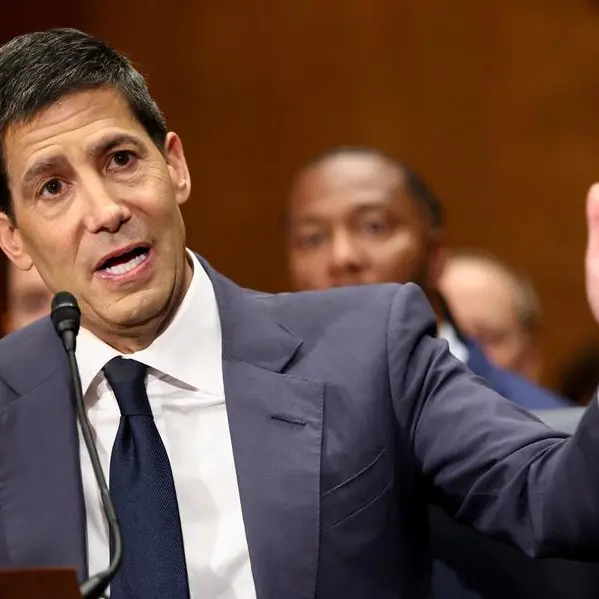
Meanwhile, markets also weighed Kevin Warsh's comments at a Senate confirmation hearing, which were interpreted as slightly hawkish. He is the White House's nominee to lead the U.S. Federal Reserve.
Warsh on Tuesday said he had made no promises to Trump about cutting interest rates, as he tried to assure U.S. senators mulling his confirmation that he would act independently of the White House while pursuing broad reforms.
"The most interesting points were probably that he emphasised the Fed’s independence and clearly rejected any request from President Trump to cut rates; taken together, the overall tone could be described as slightly hawkish," said Junya Tanase, chief Japan FX strategist at JPMorgan Chase & Co in Tokyo.
"That said, since OIS pricing barely moved even after Warsh’s remarks, yesterday’s rise in U.S. yields and the USD’s strength were likely driven mainly by higher oil prices on Iran-related news, suggesting Warsh’s impact was limited," he said, referring to overnight indexed swaps, which traders use to gauge market expectations of central bank decisions.
Traders are dialling back expectations of when the Fed could next ease monetary policy and they still lack conviction over the prospect of rate cuts until deep into 2027. Fed funds futures are pricing in an implied 57.9% probability that the U.S. central bank will hold rates steady as late as its meeting ending on April 28 next year, compared with a good chance of a cut a day earlier, according to the CME Group's FedWatch tool.
In cryptocurrencies, bitcoin was up 2.8% at $77,863.88, while ether jumped nearly 3% to $2,387.03.