PHOTO
As a tourism researcher who has worked in destinations across the globe, I have often seen the same dilemma: how can countries welcome visitors and economic growth without eroding the very landscapes and traditions that make them special?
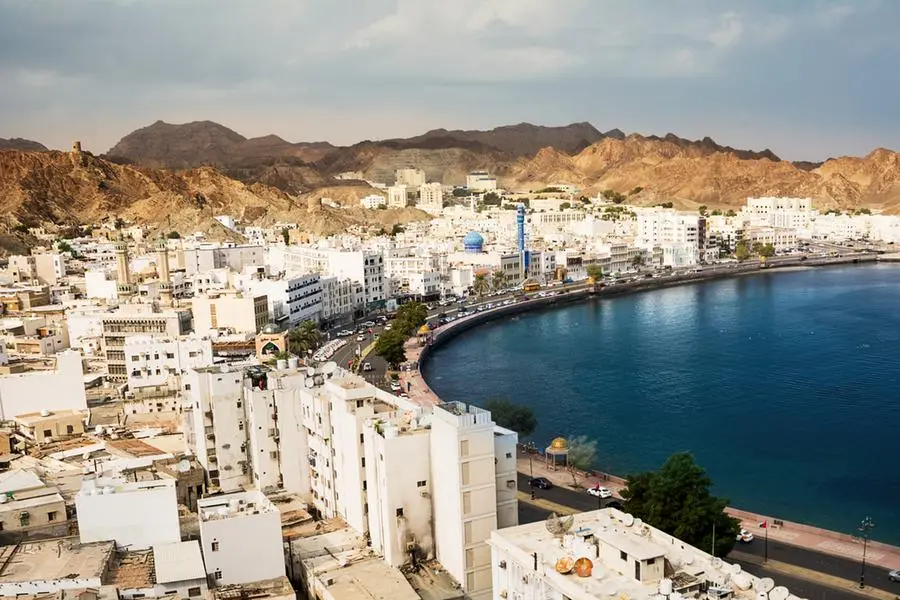
Through Oman Vision 2040, Oman is addressing that question with a clear and forward-thinking approach. The Sultanate of Oman aims to become a regional model for sustainable tourism — one that balances growth with conservation, celebrates authenticity and places communities at the centre of development.
While many destinations equate success with sheer visitor numbers, Oman is charting a more thoughtful path. It defines progress through preservation, valuing experiences that restore rather than exploit and communities that prosper alongside guests. More than 20 per cent of the nation’s land is protected, from the coral-rich Daymaniyat Islands Marine Reserve to the Arabian Oryx Sanctuary — living examples of how conservation underpins national planning.
Adventure and nature-based tourism play a vital role in this vision. Visitors are encouraged to explore wadis, dive among coral reefs, or traverse the vast dunes of Rimal Al Sharqiya — not as passive tourists, but as active participants in conservation. By offering guided, small-scale and educational experiences, Oman fosters a deeper connection with nature and inspires travellers to become advocates for its protection.
The country’s geography — from rugged mountains and green highlands to pristine coastlines and biodiverse reserves — provides a natural advantage. The government is enhancing these assets through eco-trails, visitor centres and interpretive initiatives that promote learning and appreciation. This approach aligns with the evolving preferences of global travellers who seek purpose, connection and sustainability over mass luxury.
Equally impressive is Oman’s focus on community-based tourism. In heritage villages like Misfat al Abriyeen, residents welcome guests, share traditional meals and guide them through ancient falaj systems. In Al Jabal Al Akhdhar, farmers open their rose gardens and pomegranate orchards to visitors. These interactions sustain livelihoods, preserve heritage and ensure that the benefits of tourism extend well beyond Muscat.
Of course, the path to Oman Vision 2040 is not without challenges. Oman must balance expansion with resource management, particularly in water-scarce regions and ensure equitable infrastructure development across governorates. It also faces competition from flashier regional destinations. Yet, Oman’s quiet strength lies in its authenticity — a tourism model rooted in culture, stewardship and respect for nature.
If realised, Oman Vision 2040 will not only transform Oman’s tourism landscape but also offer the world a living example of how development can coexist with dignity. In doing so, Oman will stand as a nation where tourism truly meets sustainability — and soul.
2025 © All right reserved for Oman Establishment for Press, Publication and Advertising (OEPPA) Provided by SyndiGate Media Inc. (Syndigate.info).