PHOTO
The World Economic Report predicts that the Travel and Tourism industry will contribute $16 trillion to global GDP by 2034. This growth is expected despite the risks of global disruptions and localised disenchantment of stakeholders against tourism. One of the main contributing factors to this is an increase in the use of immersive technology to enhance the travel experience. According to a report named “The State of Travel” published by McKinsey in 2024, 76% of Gen Z and 72% of millennials were showed an increased interest in travelling post-pandemic. These generations are techno-savvy and great supporters of sustainability and eco-tourism. Post-pandemic, they really want to experience life, especially through travel.
University of Technology in Sydney and related academic research found that factors like virtual interactivity, social interaction, attitude perceived usefulness and trust significantly influenced tourists to use immersive technologies in tourism. It would not be wrong to say that immersive technology is fast changing the way tourist perceives travel and vice versa.
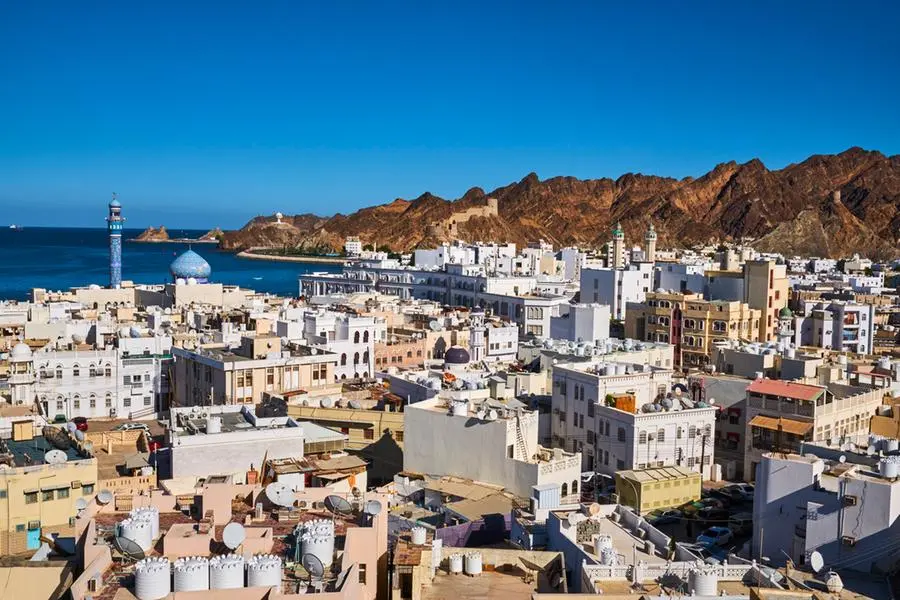
Oman Vision 2040 has placed strong emphasis on the use of technology in tourism with a focus on immersive experiences and cultural heritage.
“Project Gondwana Rainforest of Australia”, is one successful case where AR and VR technologies were used to create educational guided tours within the rainforest. This enables visitors to learn about the Aboriginal heritage, the forests biodiversity and the threats it faces without physically disturbing the environment. Another case worth mentioning is the “WasteApp” developed by EU. It is a gamified platform where tourists can earn points, badges and other rewards for properly disposing of the waste. This promoted responsible tourism and sustainability.
Oman Vision 2040 has placed strong emphasis on the use of technology in tourism with a focus on immersive experiences and cultural heritage. Some excellent examples are Virtual Reality Heritage Tours by Muscat Municipality, Oman's immersive virtual pavilion at Expo 2025 (Osaka, Japan) and the Hybrid Show experience at Muscat Nights festival 2024-2025.
While the main benefit of using immersive technology in tourism is enhancing visitor engagement and satisfaction, the other exciting benefits are its ability to overcome physical, economic and accessibility barriers. This implementation of relevant Immersive technology will help the destination to align with ISO 21902 which aims at ensuring that tourism is accessible to people of all ages and abilities.
As per the Accessible Tourism Organisation report 2024, 20% of tourists require special access during their travel. They reported that as many as 257 million tourists were looking for accessibility in many forms while travelling. It is to be noted that people with access requirements travelled with 1 to 2 companions leading to additional earnings for the said destination. Commercially, the market size is expected to grow from $76 billion (2024) to $135 billion by 2032.
This market should be effectively tapped as Oman invests in immersive technology. It should explore ways to make tourism more accessible and immersive for travellers with special needs. This can be done in many ways based on their requirements. One suggestion is by making virtual access available in places like Jabel Shams or cave sites for the physically challenged or elderly. Accessible audio guides and players for people with sensory disabilities. The government can also give funding support in form of grants and rebates to encourage private players to invest in immersive technology that is in line with ISO 21902.
Additionally, areas that are ecologically sensitive or dangerous can be made accessible using VR without harming the ecosystem. Introducing Oman’s culture, heritage and role in Silk Routes through figures like Sindbad or history of Sultans of Oman through AR tours, audio guides, gamified trials and AI narrators. This can be done like the AR/VR exhibition on “Ibn Al Haytham: A Journey of Science from Darkness into Light” held at the Muscat Festival back in 2016. This concept could be introduced in Museums and Forts as well.
To encourage sustainable behaviour among domestic and international tourists, a gaming app like the “Star App” and “Ol’au Palau” can be made, where both domestic and international tourists can earn rewards for using sustainable alternatives or adopting sustainable behaviour.
There are several advantages immersive technology can offer to make tourism experience inclusive and innovative. This will place Oman in a niche position as a forward-thinking and inclusive destination that honours its cultural heritage while driving competitiveness and sustainability.
2025 © All right reserved for Oman Establishment for Press, Publication and Advertising (OEPPA) Provided by SyndiGate Media Inc. (Syndigate.info).