PHOTO
The Central Bank of the Congo (BCC) has introduced rules governing the management and importation of foreign currencies.
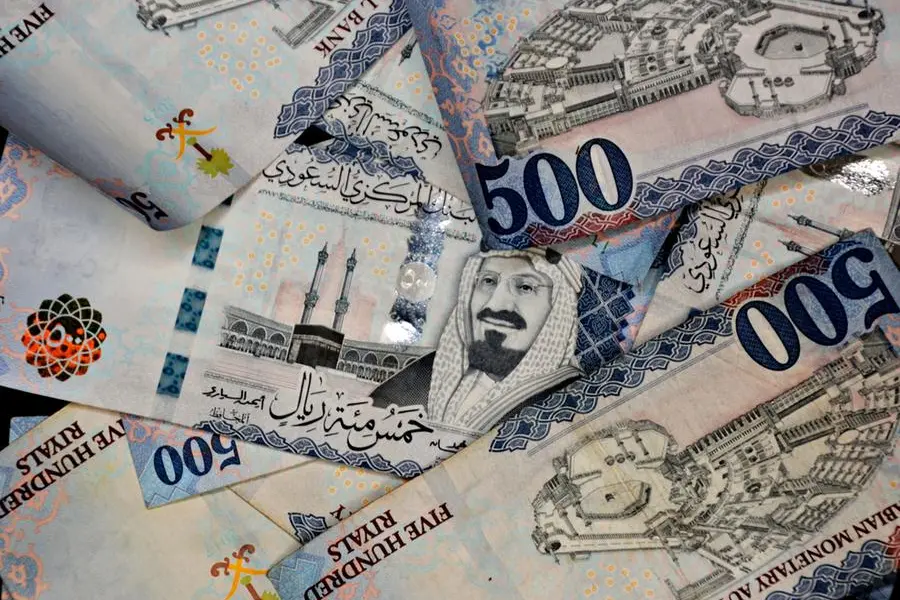
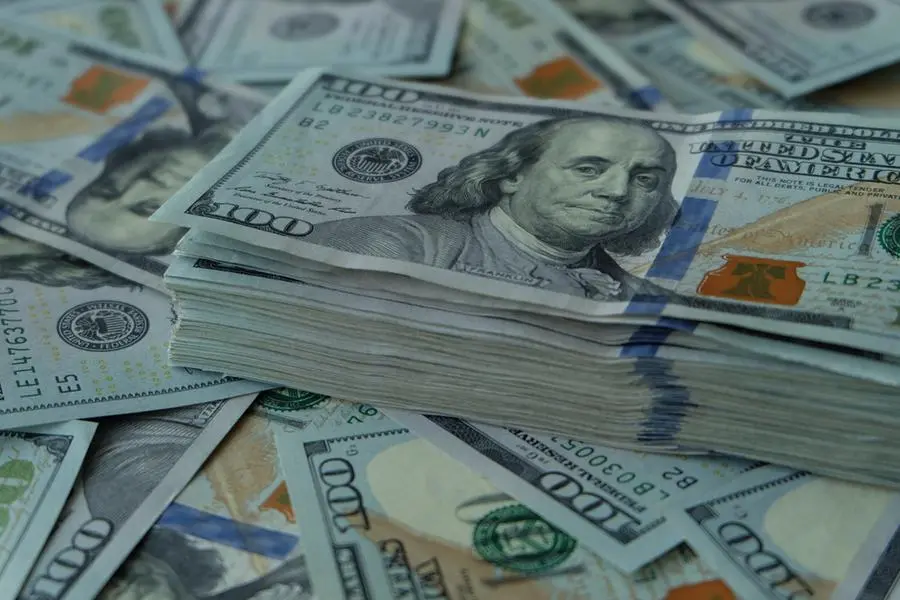
The Monetary Policy Committee of the BCC announced on Thursday that it was the only entity with the mandate to import foreign currency in efforts to “continue the fight against money laundering and the financing of terrorism, as well as to harmonise exchange procedures across the national territory.”No commercial bank “will be authorised to carry out the physical importation of foreign currencies as of April 9, 2027.”“At the same time—that is, from April 9, 2027—no individual or legal entity will be allowed to carry out cash transactions in foreign currencies. Any cash transaction in foreign currencies, regardless of the amount, will only be permitted through non-cash (scriptural) means,” the regulator said.
These decisions could significantly reshape the country’s economic and social environment, where people are accustomed to a highly dollarised economy.
With the decision, the central bank is signalling the gradual end of cash transactions in US dollars.
The dollar is not being banned, but its use in cash form will be highly restricted.
The US currency has long structured the Congolese economy and public finances to the extent that even public institutions operate and make payments in dollars. Most bank savings accounts are denominated in dollars, and rents are often set and paid in the American currency.
This shift is meant to strengthen the Congolese franc and improve control over the economy through formal banking channels.
But implementation could prove a challenge. With a largely informal economy and a population that makes limited use of banking services (fewer than 20 percent of Congolese are banked), banning cash dollar transactions without solid alternatives could disrupt many activities.
Digital financial services could help advance the central bank’s policy—provided they earn widespread public trust.
Dieudonné Kasongo, a Congolese economist told The EastAfrican that the risk of such measures is an increased reliance on the black market and illicit transactions.“If the dollar remains in demand but becomes difficult to use officially, a parallel market could flourish and further complicate the ‘king dollar’ issue in the DRC,” he said.
While waiting to see how the market reacts, it is likely that traders, landlords, and even some workers will be heavily affected by the measures.“One question remains: Can the Congolese franc truly replace the dollar?” Kasongo wondered.
For the Congolese to abandon the dollar, several conditions must be met: A stable national currencysustained control of inflation, supported by strong trust in institutions.
But this trust has remained fragile after years of monetary instability, Kasongo noted.
“This strategy primarily aims to diversify international reserves, strengthen confidence in monetary policy, and build a buffer capable of absorbing shocks related to market fluctuations,” said BCC Governor André Wameso.
© Copyright 2026 Nation Media Group. All Rights Reserved. Provided by SyndiGate Media Inc. (Syndigate.info).