PHOTO
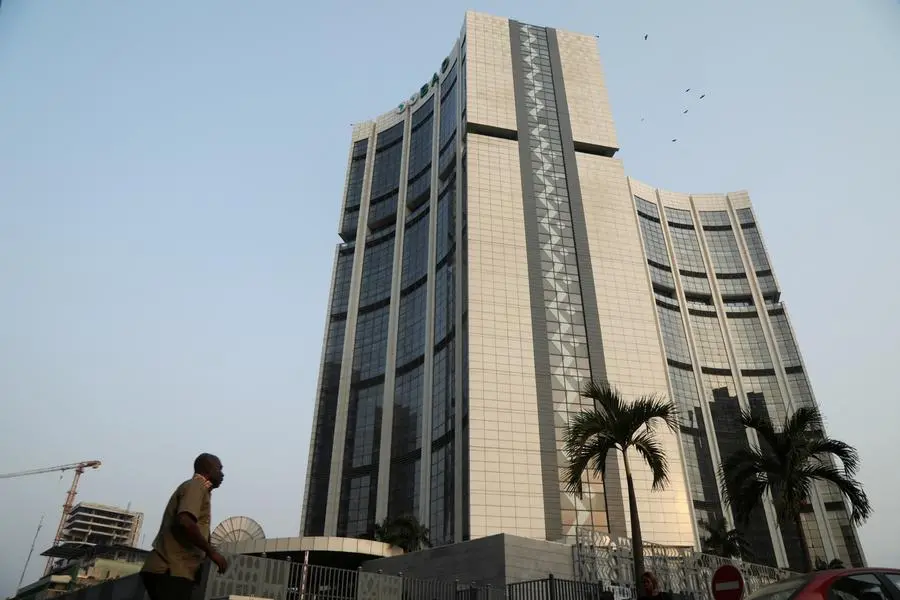
The African Development Bank (AfDB) is urging African governments to pair tax reforms with stronger public finance accountability as external funding tightens.
With foreign investment declining and aid shrinking, the AfDB says countries must rely more on domestic revenue, but only if they can build public trust through transparent use of funds.
The lender frames this as a twin-track solution: broaden revenue mobilisation while improving how money is managed, reported and accounted for.
AfDB chief economist Kevin Chika Urama said Africa faces a structural shift as capital inflows weaken, forcing governments to look inward to sustain development spending.“Remember that taxation is a social contract between the government and citizens,” he said during a virtual briefing from Abidjan ahead of the bank’s annual meetings.
He argued that reforms will only be politically viable if matched by credible transparency in how public funds are used.“Transparency, accountability, reporting, and other aspects in the country's public finance management, including how domestic revenue is mobilised, are crucial to build that trust.”Squeeze and backlashAfrican countries are facing tighter financing conditions, with foreign direct investment (FDI), aid and affordable credit all under pressure.
According to the United Nations Conference on Trade and Development (Unctad), the continent recorded about $97 billion in FDI in 2024–2025. Major recipients included Ethiopia ($4 billion), Uganda ($3.1 billion), South Africa ($2.5 billion), Nigeria ($923 million) and Kenya ($463 million).
The AfDB warns that flows could weaken further as global uncertainty persists and investors remain cautious, while borrowing costs rise due to higher risk premiums.
The push for domestic revenue comes with political risk. Several countries, including Kenya, have faced public resistance to higher taxes.
In June 2024, protests forced the Kenyan government to drop parts of its Finance Bill after widespread opposition. Parliament later passed the law, but the President declined to sign it.
The lender advocates widening the tax base rather than increasing rates on existing taxpayers, with a focus on bringing informal-sector activity into the tax net.
Digitisation of tax systems is central to this approach, aimed at improving compliance and reducing leakages.“There are several tools that include digitising the tax administration process, where everyone who needs to pay taxes is paying taxes. It is not for those who are paying taxes to pay more, which is what citizens resist,” Prof Urama said.
Capacity pushAlongside policy advice, the AfDB is working with central banks and training civil servants through its public finance management academy, launched in 2022 in response to fiscal strains triggered by Covid-19.
The bank’s annual meetings, to be held next month in Brazzaville, Republic of Congo, will focus on mobilising development finance “at scale in a fragmented world”.
© Copyright 2026 Nation Media Group. All Rights Reserved. Provided by SyndiGate Media Inc. (Syndigate.info).