PHOTO
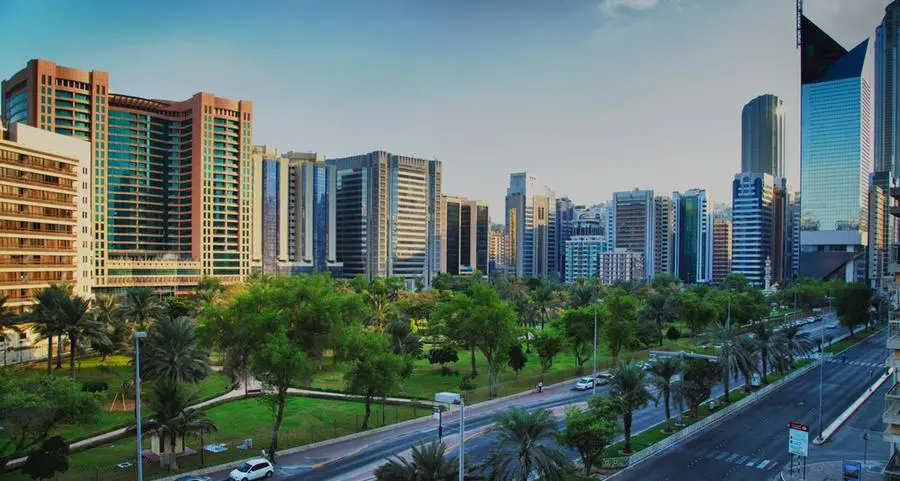
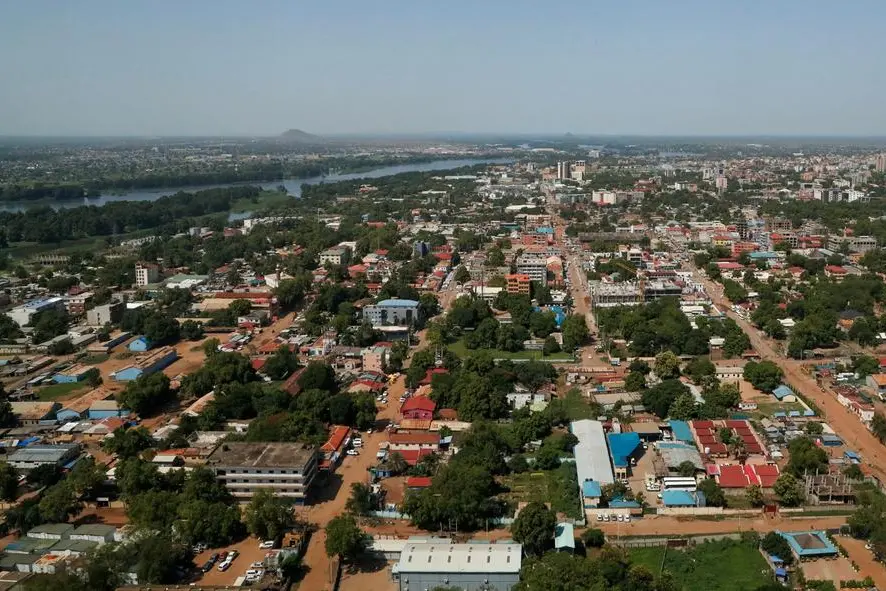
South Sudan’s President has had two official trips to the United Arab Emirates this year, forced by domestic economic and political problems he wants help to tackle.
And Abu Dhabi’s rising influence in the Horn of Africa means South Sudan could have found support to soften the blow of woes it has faced in Juba.
Salvar Kiir left Juba on June 22 and only returned this week on Tuesday, a lengthy trip he said had involved seeking partners to invest in the country’s economy.
On both occasions, Juba said the visits were to strengthen “bilateral relations and promoting investment opportunities in South Sudan.”Earlier in February, a dispatch from Juba said President Kiir had travelled to “discuss co-operation in economic, agricultural, energy and infrastructure sectors.”A presidential spokesperson, David Amuor Majur, told the media ahead of the recent trip that Kiir would meet with a number of investment groups, where he would present “a compelling case for investment” in South Sudan’s key growth sectors.
Abu Dhabi did not provide further details on the nature of agreements -- if any -- about the trip. But Juba has argued it was reforming its structures to make it easy for investors.
The President’s trip was, however, crucial in discussing other issues Juba is concerned with: The war in Sudan, which has seen nearly 200,000 refugees pour into South Sudan.
The Sudan military government, out of protest, had severed diplomatic ties with the UAE. It didn’t, however, cut entire communication channels, and South Sudan has remained a key contact as a go-between.
As such, South Sudan has also carried the burden of war in Sudan, which the UAE has used to elevate its profile. In March, the UAE inaugurated Madhol Field Hospital in the Northern Bahr el Ghazal state in South Sudan, providing a 100-bed capacity, and several clinics to serve some two million people mostly refugees. The UAE had earlier, during a conference on Sudan, pledged $200 million worth of humanitarian aid.
The chaos from Sudan war, however, has only piled to the misery. Juba had been looking to the UAE for support to inject some capital into its economy.
Read: Kenyans sue Juba over unpaid salaries as public servants’ woes riseCivil servants have gone without pay for months, with some even seeking legal redress in jurisdictions outside Juba, especially Nairobi. Programmes for political reforms, part of the 2018 peace deal, have mostly missed deadlines or stalled, according to a recent status report by the Reconstituted Joint Monitoring and Evaluation Commission (R-JMEC), a body set up to check violations of the peace deal.
In May, South Sudan government spokesperson Martin Lomuro refuted reports in the UAE that Juba had signed an oil deal worth $13 billion, which would have seen it get the money as a loan to be repaid through oil for a 20-year period to the Hamad bin Khalifa Department of Projects, a private firm. Dr Lomuro, however, did not deny that South Sudan was looking for similar financing.
South Sudan is the most oil-dependent country in the world, with nearly 98 percent of its revenues coming from oil exports. But some of its 150,000 barrels per day are already sold up to 2026 before extraction.
China, Japan, Italy, and Singapore had been the main buyers of the oil via the pipeline to Port Sudan but supplies to Port Sudan for onward export have been hugely disrupted by the war in the north.
South Sudan’s economy has faced turmoil including political violence. It is expected to lose at least 4.3 percent of the GDP, with an annual inflation of 143 percent.
In fact, a recent report by the African Development Bank said 92 percent of its 16 million population now live below two dollars a day – a 55.4 percent rise from the poverty levels 14 years ago, when the country seceded from Sudan.
The South Sudan Country Focus 2025 released in Juba on June 25, states that poverty levels in South Sudan have been on the rise at every turn, due to conflict, which has impacted oil production, taken a toll on the economy and affected development indicators.
Read: At 92pc, South Sudan sinks deeper into povertyAfDB cites World Bank poverty data, which shows the share of South Sudanese population living below the poverty line increased from 51 percent in 2011 to 82 percent in 2022. The following year, it worsened and became widespread, rising from 84 percent in 2023 to 92 percent in 2024.
The International Monetary Fund, however, says the economy is projected to start recovering after oil production resumed following the repair of a pipeline damaged in February 2024 in the war in Sudan, and which had halted exports.
Last month, IMF staff and the South Sudanese authorities reached an agreement on a nine-month Staff-Monitored Programme (SMP) to start in August 2025.
The SMP will support “designing and implementing policies and key reforms to strengthen its economic resilience to shocks, enhance macroeconomic stability, restore sustainability, and improve governance and transparency,” a dispatch said.
© Copyright 2022 Nation Media Group. All Rights Reserved. Provided by SyndiGate Media Inc. (Syndigate.info).