PHOTO
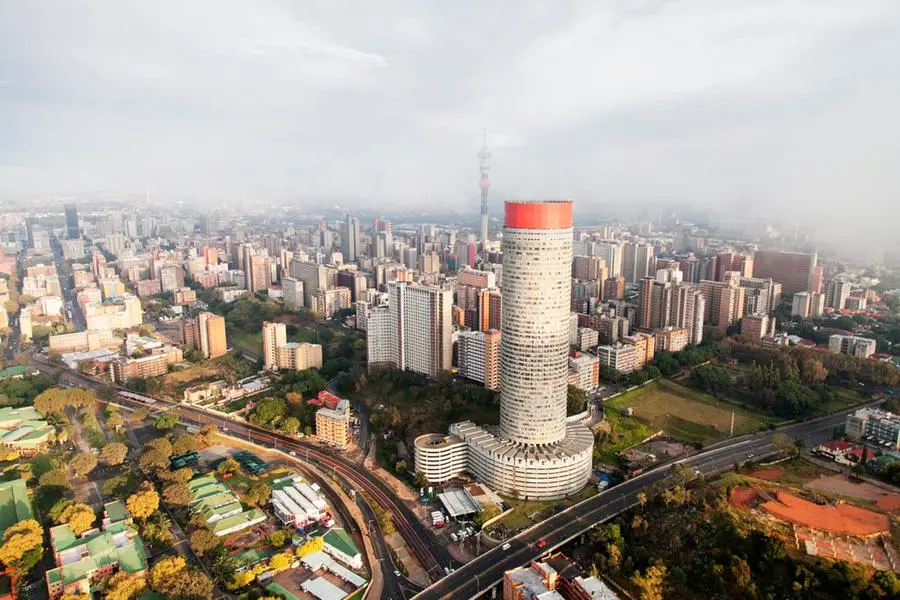
PRETORIA - South Africa's central bank raised its main lending rate for the first time in three years on Thursday, joining only a handful of other emerging market central banks to have tightened policy during the Iran war.
The South African Reserve Bank lifted the rate by 25 basis points to 7.00%.
Most economists had predicted the move after inflation accelerated sharply in April to the top of the bank's tolerance band.
The decision split the Monetary Policy Committee, with four members backing the hike and two favouring no change.
The committee also discussed a 50-basis-point hike but opted for a more cautious step while awaiting more data, Governor Lesetja Kganyago told a press conference.
"The committee agreed that inflation risks had intensified and that the challenge of large and overlapping shocks would likely trigger second round effects," Kganyago said.
"Our decision was aimed at managing risks and ensuring that inflation returns to target," he added.
RISING INFLATION PRESSURES
The SARB raised its inflation forecasts for this year and next to 4.4% and 3.7% respectively, from 3.7% and 3.3% previously.
The central bank targets inflation of 3% with a 1-percentage-point tolerance band on either side.
Rising energy costs and broader price pressures linked to the Iran war have narrowed policymakers' room for manoeuvre globally.
Among emerging markets, the Philippines and Sri Lanka have raised rates since the start of the Iran war in late February, while Australia and Norway have also hiked borrowing costs. In Africa, Rwanda, Botswana and Mauritius have tightened policy.
The SARB cut its domestic growth forecasts for this year and next to 1.2% and 1.7% respectively, from 1.4% and 1.9%.
It also laid out three risk scenarios with higher inflation and weaker growth.
In the most adverse case — combining a prolonged Middle East crisis, the El Nino weather pattern and non-linear effects — inflation would peak above 6% and require three additional rate hikes, it said.