PHOTO
Somalia’s banking sector is un- dergoing a quiet transformation, potentially marking one of the Horn of Africa’s most ambitious financial overhauls. Over the past decade, the country has made strides in re- building its banking institutions, embracing digital innovation, and introducing long- awaited reforms. But alongside this progress lies a stark reality – liquidity constraints, dollarisation and governance challenges threaten to undermine fragile gains.
As the Central Bank of Somalia (CBS) strengthens its regulatory framework and new legislation reshapes the finan- cial landscape, the country stands at a crossroads. Can Somalia’s banking sector deliver meaningful, inclusive growth? Or will systemic weaknesses erode confidence in a sector that desperately needs public trust?
Somalia’s financial sector has grown rapidly over the years – there are 13 li- censed banks active in the country, the largest of which include the International Bank of Somalia (IBS), Premier Bank, Sa- laam Somali Bank, Dahabshiil Interna- tional Bank, and Amal Bank.
According to the US International Trade Administration (ITA), there are seven money transfer businesses, popularly known as hawalas, licensed to transfer and receive money through informal networks and channels. Three licensed mobile pay- ments service providers are linked to the biggest of seven mobile network operators.
Financial services are dominated by informal conglomerate groups, each con- taining a bank, money transfer business, mobile payments service provider, and mobile network operator. Most banks use ‘Islamic models’ to offer commercial re-tail banking, trade finance, and invest- ment services. Despite this banking sector growth, access to financial services is low and largely confined to urban areas. The ITA notes that Somali incomes are gener- ally low, with 55% of households supported by remittances, mainly through hawalas and mobile payment service providers.
85% of adults have a mobile phone, and 82% of adults use a mobile phone for financial transactions, typically mobile payments. Less than 9% of adults have a bank account, mostly in urban and rural (fixed agricultural) areas, with minimal access to banks in nomadic (herding) ar- eas. Only 26% of households have loans, mostly from merchants and traders, with only 2% from banks.
According to the World Bank, remit- tances from the Somali diaspora contribute nearly $2bn annually – equivalent to about 30% of the country’s GDP. Much of this flows through mobile money platforms like Hormuud’s EVC Plus, now a fixture of daily life across Somalia, particularly in Mogadishu.
Liquidity challenges
Somalia’s banking sector is expanding, yet many banks face hurdles in effectively managing liquidity. While liquid assets are available, deploying them efficiently remains a challenge due to limited invest- ment channels and the need to align with Islamic banking frameworks.
Regulatory reforms led by the Central Bank of Somalia (CBS) are beginning to address structural gaps, but the system still lacks key mechanisms – such as deposit insurance – that are critical for building depositor confidence and long- term stability. Continued progress on these fronts will be essential for strengthening trust in the formal financial system.
The dollarisation dilemma
One of Somalia’s most intractable chal- lenges is its near-total dependence on the US dollar. Following the collapse of the Somali shilling in the 1990s, the dol- lar has become the currency of daily life. While this has stabilised pricing, it limits the central bank’s ability to conduct mon- etary policy and exposes the economy to external shocks.
The CBS has outlined plans to gradually reintroduce the Somali shilling, begin- ning with lower-denomination notes and a controlled monetary framework under a currency board arrangement. This would allow limited currency issuance backed by foreign reserves. However, rolling out a new currency requires significant political coordination, public trust, and logistical readiness – which can prove a challenge in Somalia’s current environment.
Recognising the stakes, the CBS has ramped up its regulatory activities since 2021. All commercial banks and mobile money operators are now licensed, and key macro-prudential regulations – including capital adequacy ratios, liquidity coverage requirements, and reporting standards – are being enforced.
Somalia’s parliament is also reviewing critical pieces of legislation, including a revised Central Bank Act, Financial In- stitutions Law, National Payment System Act, and Insurance Law. These will provide the legal backbone for a modern financial sector, enabling supervisory independ- ence, consumer protection, and sectoral diversification. Additionally, the CBS has made significant strides in Anti-Money Laundering and Combating the Financing of Terrorism (AML/CFT) compliance, with new guidelines and a national risk assess- ment aligning Somalia’s framework with international norms.
This is crucial to restoring correspond- ent banking relationships and easing in- ternational transactions, especially for remittance operators.
Perhaps the most promising devel- opment lies in Somalia’s rapid digital transformation. Mobile money is nearly ubiquitous, with over 70% of the adult population using it for everything from utility payments to market purchases, according to the World Bank. Mobile bank- ing apps and digital wallets are bridging the formal-informal divide, especially for young and urban populations.
In 2021, Somalia launched its first re- al-time National Payment System (NPS), connecting all banks for interbank trans- fers. In its first year alone, the system processed over $1bn in transactions. A national QR code standard, interoper- able mobile-banking platforms, and a SWITCH system integrating ATMs and point-of-sale transactions are currently under development.
Digital identity is also making strides. Somalia’s nascent National ID system is being integrated with the financial sector, enabling electronic Know-Your-Customer (e-KYC) protocols that can support greater inclusion and regulatory compliance.
Somalia’s banking sector stands on the brink of a pivotal transformation. It has shown encouraging momentum through digitisation, legal reform, and regula- tory expansion, but liquidity constraints,limited financial inclusion and dollar de- pendency reveal how fragile these reforms remain.
The road to a stable, inclusive financial system requires more than infrastructure. It demands accountability, transparency, and bold public policy choices. If done right, banking can become a cornerstone of Somalia’s broader economic recovery – offering not just services, but trust, dig- nity, and opportunity in a country long defined by their absence.
Ongoing challenges
Despite the reforms, systemic weaknesses persist.
Governance and oversight gaps: Opportu- nities remain in strengthening regulatory oversight, enhancing internal controls, and ensuring lending practices are guided by sound financial principles to support long-term stability in the banking sector.
A trust deficit: With no deposit protec- tion mechanism, many Somalis still prefer to keep their savings in cash or mobile money wallets.
Exclusion of rural populations: Most banking services remain concentrated in urban centres. Women, pastoralists, and internally displaced persons are largely unbanked.
Dollar dependency: Without local trust in the shilling, the dollar’s dominance will persist, restricting monetary policy and reducing access to local-currency credit.
Policy recommendations
Establish deposit insurance: Introduce a basic deposit protection mechanism to shield depositors and restore confidence in the banking system.
Enforce prudential regulation: The Central Bank must enhance surveillance, require regular audits, and penalise institutions that breach customer trust.
Accelerate digital integration: Scale up in- teroperability between banks and Market Making Organisations (MMOs), support e-KYC rollout via national ID, and expand digital literacy programmes.
Support local currency introduction: A phased reintroduction of the Somali shil- ling, backed by a currency board and broad public education, is essential.
Enable credit infrastructure: Establish credit bureaus, collateral registries, and public guarantees to improve access to credit for SMEs and households. n
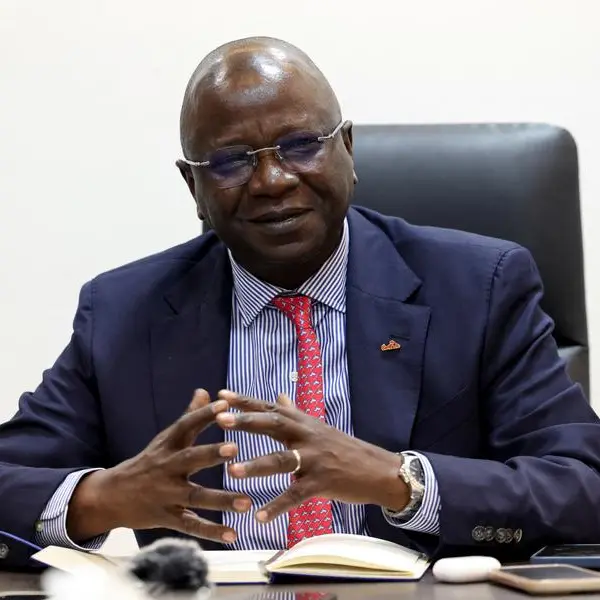
Mohamed Ibrahim (above left) is the CFO at Gargaara Finance Limited. He is a former Economic and Financial Policy Advisor to the Office of the Prime Minister of Somalia. The views expressed here are his own.
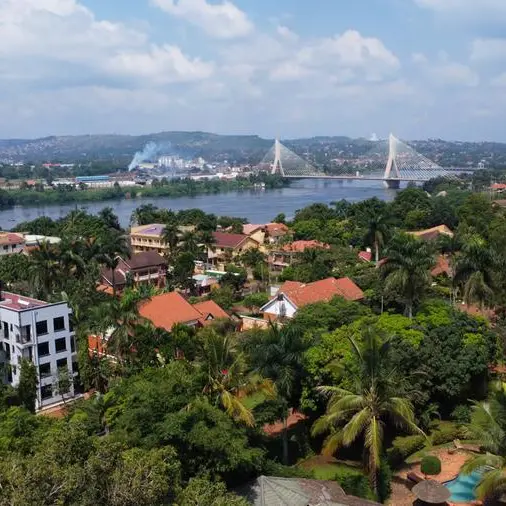
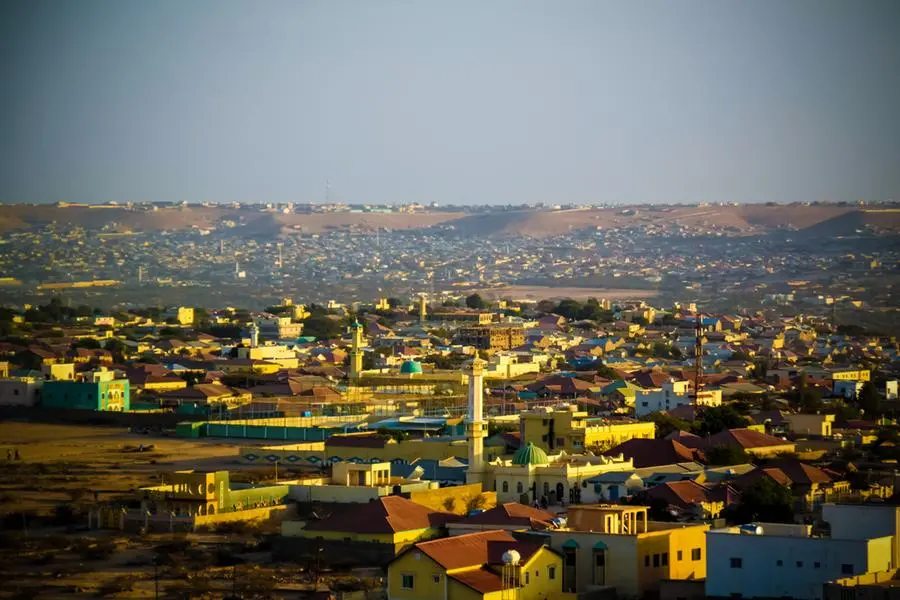
Over the past decade, Somalia has made strides in rebuilding its banking institutions, embracing digital innovation, and initiating essential reforms.
© Copyright IC Publications 2022 Provided by SyndiGate Media Inc. (Syndigate.info).