PHOTO
Sub-Saharan Africa's economic growth is projected to decline to 3.5% in 2023, revised down marginally from 3.6% in April, the IMF said.
Growth is projected to pick up to 4.1% in 2024, the IMF said in its World Economic Outlook report on Tuesday. The region had seen growth at 3.9% in 2022.
Commenting on the forecast, Pierre Olivier Gourinchas, the Economic Counselor and Director of the IMF Research Department said the region was experiencing low growth overall.
"For the whole region, we have growth that is slowing a bit from 2022 to 2023, from 3.9 to 3.5%. That's a very mild downward revision for 2023, about 0.1 percentage points," Gourinchas said.
"This is a growth number that is kind of on the low side...this is not an environment of very strong, robust growth," he said.
"And this is certainly one of the regions where we see that. It's very different from emerging Asia, for instance," Gourinchas said.
The IMF official also said the impact of climate change had also affected growth globally, including in Africa.
"It's certainly the case that we're seeing more extreme climate events and some of these can have a strong macroeconomic consequence," Gourinchas said.
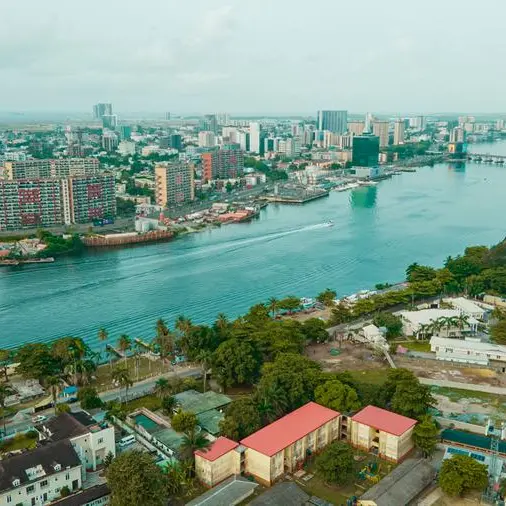
Nigeria's economic growth in 2023 and 2024 is projected to gradually decline, to 3.2% and 3.0% from 3.3% expansion in 2022. The IMF said growth this year would be muted by insecurity issues in the oil sector.
Crude theft from pipelines and wells in the Niger Delta has hampered the country's output in recent years and is one of the most serious difficulties that incoming President Bola Tinubu faces.
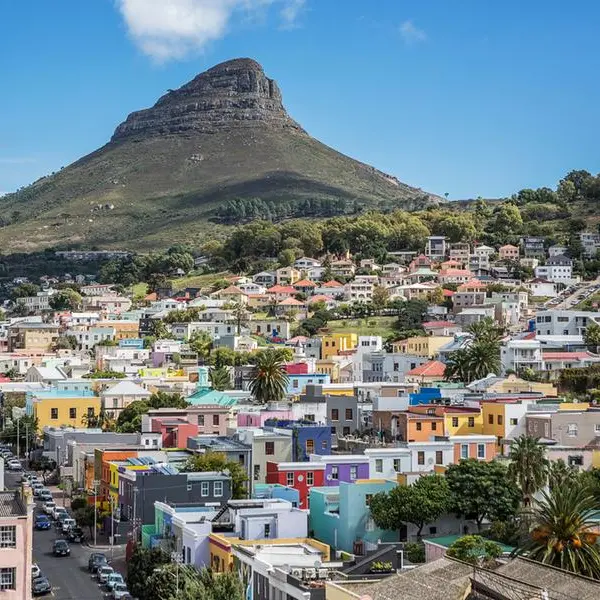
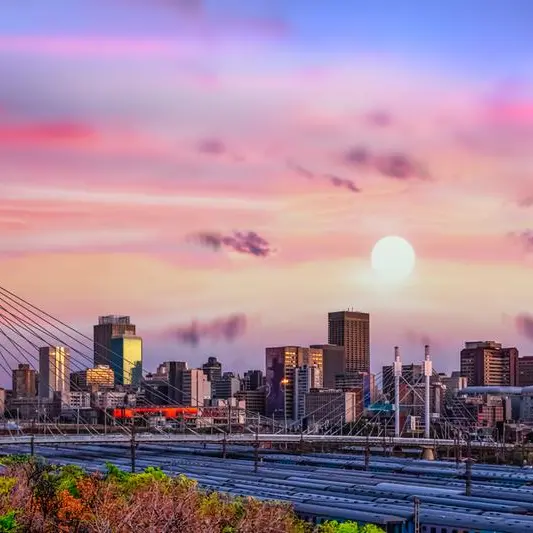
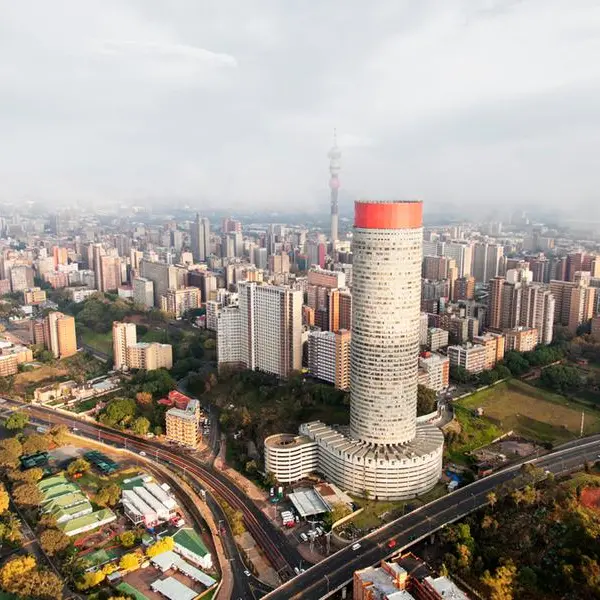
In South Africa, growth is expected to decline to 0.3% in 2023 from 1.9% last year, with the decline reflecting power shortages.
However, the country's forecast has been revised upward by 0.2 percentage point since the April 2023 forecast of 0.1%, on account of resilience in services activity in the first quarter.
South Africa carries out power cuts in phases, resulting in more than ten hours of power outage per day at the height of the crisis, a major stumbling block for President Cyril Ramaphosa's attempts to expand the economy and create jobs.
(Editing by Brinda Darasha; brinda.darasha@lseg.com)