PHOTO
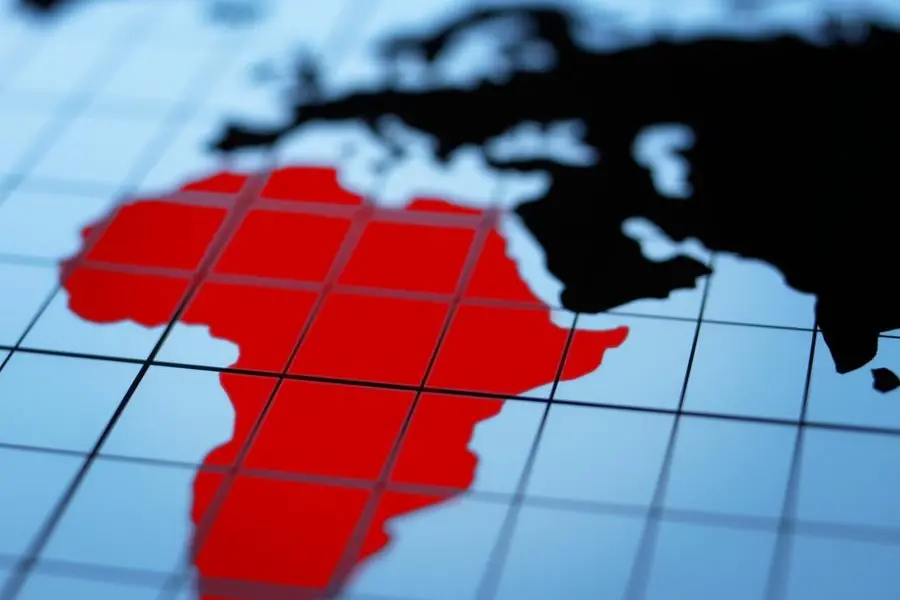
The United Nations has urged Africa to accelerate the operationalisation of the African Financing Stability Mechanism (AFSM) to cushion economies with heavy foreign currency debt maturities from refinancing risk, as the war in the Middle East threatens to disrupt global financial markets.
The AFSM is a regional financing safety net proposed by the African Union’s Assembly of Heads of State in February 2022. It is designed to provide liquidity support to economies facing external shocks that limit access to global capital markets.
This comes as African economies with large foreign currency-denominated bond maturities face rising refinancing risk, driven by higher global oil prices and tighter monetary policy by major central banks to curb rising inflation.
Rollover squeezeRefinancing risk refers to the difficulty a borrower faces in securing new, affordable debt to repay maturing obligations, increasing the likelihood of default.
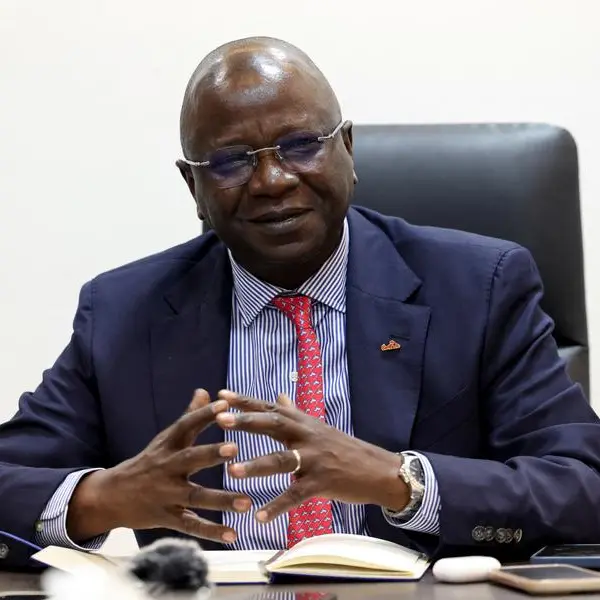
The UN warns that a confluence of risks – rising interest rates, depreciating currencies and slowing growth — could deepen debt distress across the continent.“In the current environment of persistent inflation and tight global financial conditions, African economies face a non-trivial risk of reduced access to international capital markets similar to what we saw in 2023/24. The danger is not only higher borrowing costs but also sudden stops in capital flows, precisely at a time when many countries face large debt maturities. What worries us most is the interaction of risks – high interest rates, weaker currencies and slow growth,” said UN Assistant Secretary-General and UNDP Africa Director, Ahunna Eziakonwa.
With major central banks now pausing their rate-cutting cycle, global interest rates are expected to remain elevated, exposing African economies refinancing maturing debt to punitive borrowing costs.
Among African economies with near-term hard currency bond maturities are Egypt, which faces $512.4 million and $860 million due on October 17, 2026 and November 10, 2026, respectively; Tunisia, with $826 million due on July 15, 2026; and South Africa, with $590 million due on July 24, 2026.
The International Monetary Fund (IMF) has also warned that the war in the Middle East, coupled with rising inflation risks, is prompting central banks to pause rate cuts, a shift that threatens shut frontier economies out of global capital markets.“On the US dollar and the impact that the ongoing war might have, this is one of the channels through which tightening financial markets can affect emerging and developing economies. Typically, when we have uncertainty in the global economy and there is a risk off episode, investors move to safer assets, which are often US treasuries, and that is often associated with appreciation of the US dollar. This is what we have seen in the wake of the war in the Middle East,” said IMF Chief Economist Pierre-Olivier Gourinchas.
Dollar pressureEarlier in 2026, Kenya issued a Eurobond, raising $2.25 billion, part of which it used to buy back $415 million of debt maturing in 2028 and 2032.
The UN says renewed tightening of global financial markets following the Middle East war underscores the need for Africa to develop domestic capital market solutions to meet funding needs and reduce refinancing risk.“Africa needs to create crisis responsive instruments that can be mobilised quickly in local and regional markets when external funding dries up. This could include accelerating implementation of the African Financing Stability Mechanism, which strengthens mobilisation of long-term capital through Africa’s markets, pension funds, sovereign wealth funds and blended financing instruments with built in flexibility such as maturity extensions or repayment deferrals triggered by external shocks,” Eziakonwa said.
When global financial markets tightened between 2022 and 2024 following the Russia-Ukraine war, debt distress worsened across Africa, with Zambia, Ethiopia and Ghana defaulting on their debt payments.
© Copyright 2026 Nation Media Group. All Rights Reserved. Provided by SyndiGate Media Inc. (Syndigate.info).