PHOTO
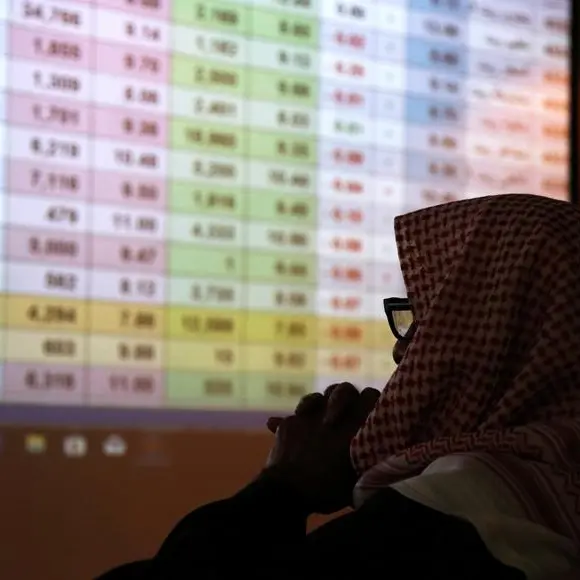
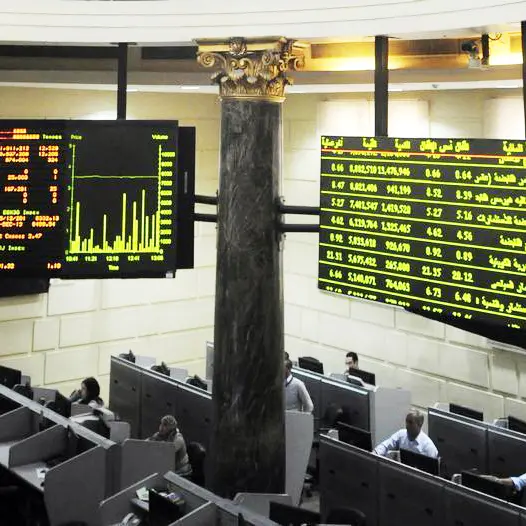
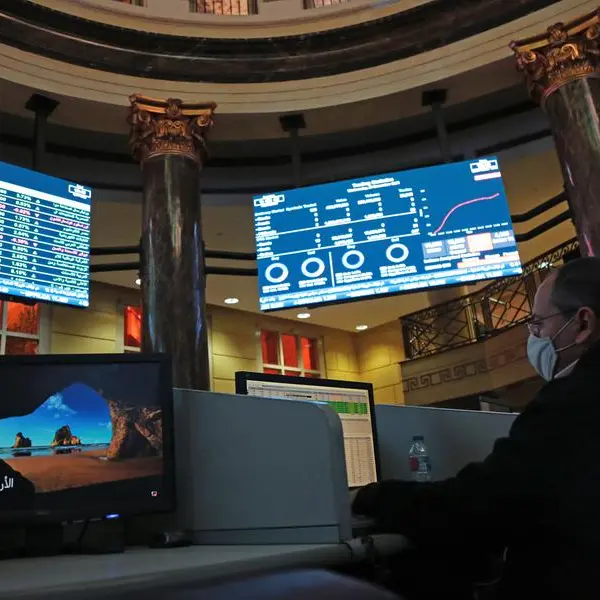
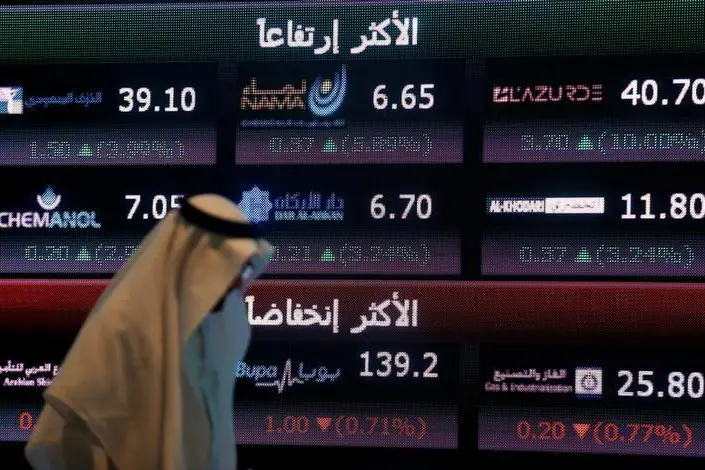
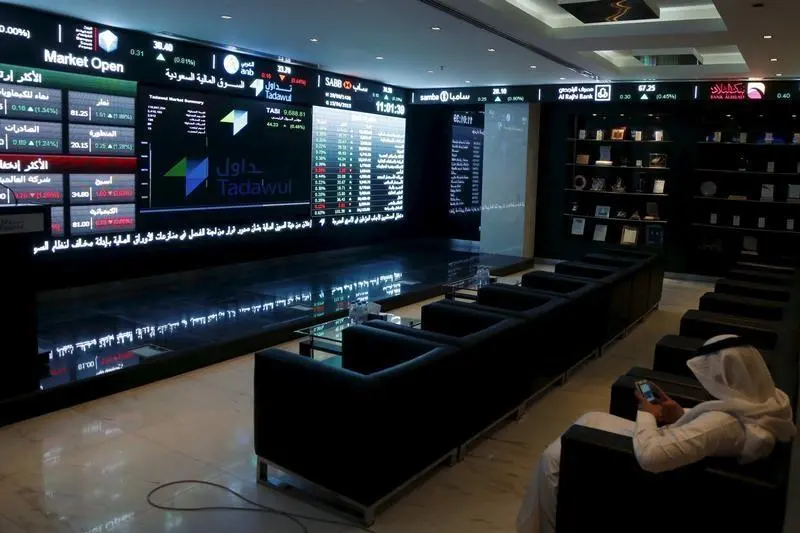
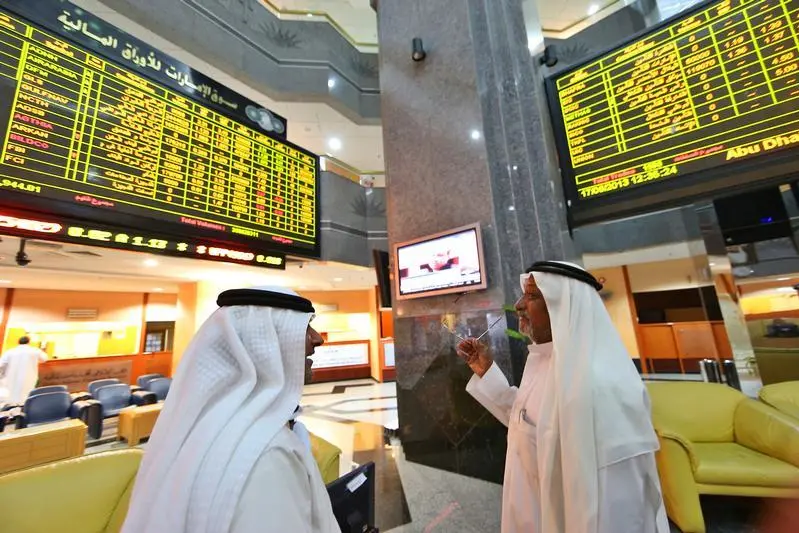
Gulf equities put in a mixed performance in early trade on Thursday amid higher oil prices, while investors awaited key U.S. economic data that could shape the interest rate outlook.
Oil — a key driver for Gulf financial markets — edged higher on reports that the United States was preparing new sanctions on Russian oil, while market participants assessed the supply risks posed by a blockade of Venezuelan oil tankers.
The Abu Dhabi benchmark stock index gained 0.3%, with most constituents trading higher. ADNOC Gas rose 0.9% and ESG Emirates Stallions Group jumped 3.3% after the developer said its unit Royal Development and Radisson Hotel Group launched a 1.2 billion dirham residential waterfront project.
The Qatari benchmark index fell 0.2%, with most stocks trading in negative territory. Industries Qatar dropped 2%, while Qatar National Bank, the region's largest lender, slid 1.3%. Separately, state-owned QatarEnergy lowered the term premium for February-loading al-Shaheen crude, following weakness in spot benchmark premiums, sources said.
Dubai's benchmark stock index eased 0.1%, weighed down by a 9.6% drop in Gulf Navigation Holding and a 1% decline in Emaar Development. Tecom Group rose 1.5% after the business-districts operator launched a 615 million dirham innovation hub in Dubai Internet City to meet rising demand for office space.
Saudi Arabia's benchmark stock index traded largely flat. ACWA Power slipped 1%, while Saudi Arabian Mining Co added 0.9% after the company said it received the Ministry of Energy's approval for feedstock allocation for its Phosphate 4 project.
U.S. Federal Reserve Governor Christopher Waller said the central bank could still cut rates as the labour market cools and vowed to defend the Fed's independence, as he awaits an interview with President Donald Trump over Jerome Powell's succession.
Investors are awaiting the November U.S. CPI report due later on Thursday, followed by the PCE price index on Friday.
Gulf markets tend to track shifts in U.S. monetary policy expectations as most regional currencies are pegged to the dollar.
(Reporting by Md Manzer Hussain; Editing by Subhranshu Sahu)