PHOTO
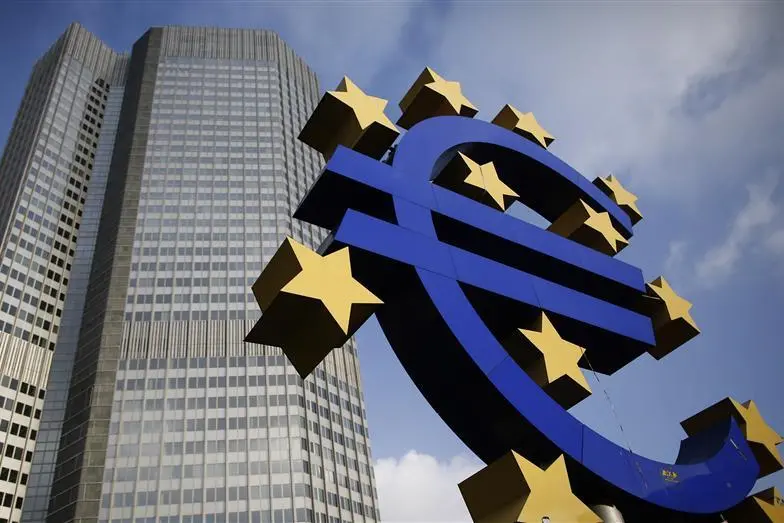
Euro zone bond yields were little changed on Thursday as concerns persisted over the strength of the euro and whether it might prompt the European Central Bank to ease policy, while the U.S. Federal Reserve kept rates on hold.
Germany's 10-year yield was last steady at 2.85%.
Shorter-dated euro zone yields had retreated on Wednesday, with the German two-year slipping to its lowest level in a week. On Thursday, it held at 2.08%.
The euro rose above $1.20 on Tuesday after recent gains against a weaker dollar. It was last trading just below that level.
As the euro zone is a net energy importer, even modest currency gains can reduce the cost of energy and other imports, potentially lowering inflation. ECB policymaker Martin Kochertold the Financial Times that further euro appreciation could force the central bank to cut rates.
While other central bank officials struck a more cautious tone about the rate outlook, bets on an ECB rate cut by the middle of the year increased on Wednesday. However, markets would need a clean break above the $1.20 level before getting excited about pricing in another rate cut, said Andrzej Szczepaniak, senior European economist at Nomura.
He added that rising oil prices were offsetting the euro’s strength. "The stronger euro-dollar and also the rise in oil prices actually offset each other. Obviously, stronger euro-dollar having a disinflationary impact, whereas higher oil prices having an inflationary impact."
"I think the ECB can very much stay on hold from that perspective, so long as you have a scenario whereby you sort of maintain these sorts of levels," he said. Elsewhere, the Fed left interest rates unchanged on Wednesday, as expected, saying inflation remained elevated and the labour market continued to stabilise.
Fed Chair Jerome Powell struck a slightly hawkish tone at his post-meeting press conference, but said a rate hike was not part of policymakers' baseline outlook.
(Reporting by Sophie Kiderlin. Editing by Mark Potter)