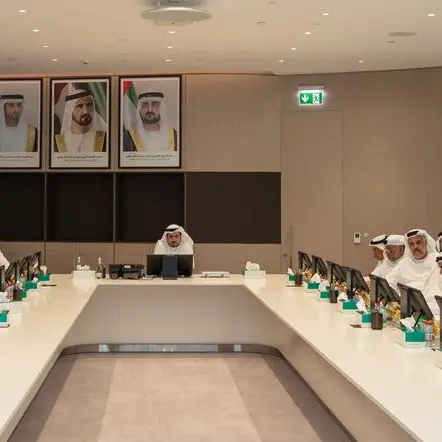
DOHA: The Minister of Justice H E Hassan bin Abdullah Al Ghanem inaugurated the second annual McNair International Arbitration Conference yesterday.
Hassan Al Thawadi, General Counsel, Qatar Investment Authority, Dr Ahmad Sheta, Secretary General, Qatar International Centre of Arbitration (QICA), Ahmed Anani, head of the Qatar office of Al Tamimi and Company, Ana Stanic, Lecturer in International Arbitration at London University and Professor Khawar Qureshi, head of McNair Chambers addressed various sessions.
Dr Ahmad Sheta said the proposed unified law of arbitration for GCC countries will come into effect by next year. The Federation of GCC Chamber of Commerce has finalised the draft and the last round of discussions for its enactment was fast progressing, he said.
Dr Ahmad Sheta said a total of 84 cases worth QR873,000 mn have come up before QICA. And majority is related to contracts. Cases are also heard in English at the tribunal in QICA. He said QICA has imparted training to more than 420 professionals in arbitration cases till date.
Ahmed Anani has called for plugging the loopholes in the Qatari laws and came out with suggestions to cover the grey areas. Qatar's booming economy and the Foreign Direct Investment (FDI) has promoted the culture of arbitration in the country. Anani who pointed out the confusion that is arising out of the international law vis-à-vis Qatari law, stressed the need for clarity in certain articles for an effective enforcement of local and international law.
Ana Stanic said a total of 144 countries, including Qatar, are parties to the 1958 New York Convention on Recognition and Enforcement of Foreign Arbitral awards. All countries in the region, except Yemen, are signatories to the Convention. The signatories to the Convention are free to decide where arbitration will take place, what form it will take, even down to the language used in the proceedings. Stanic said in many countries courts are slow, unpredictable and bureaucratic. He said typically arbitral tribunals take less time than national courts to reach final decision. Appeal against arbitral awards is usually restricted.
By Satish Kanady
© The Peninsula 2009