Global mobile penetration to reach 75 per cent by 2011
International roaming is one of the areas where the value of regional cooperation could be felt most. International practice shows that there is not much that a single country could do in tackling the excessive rates for international roaming calls, a top official at the TRA said yesterday.
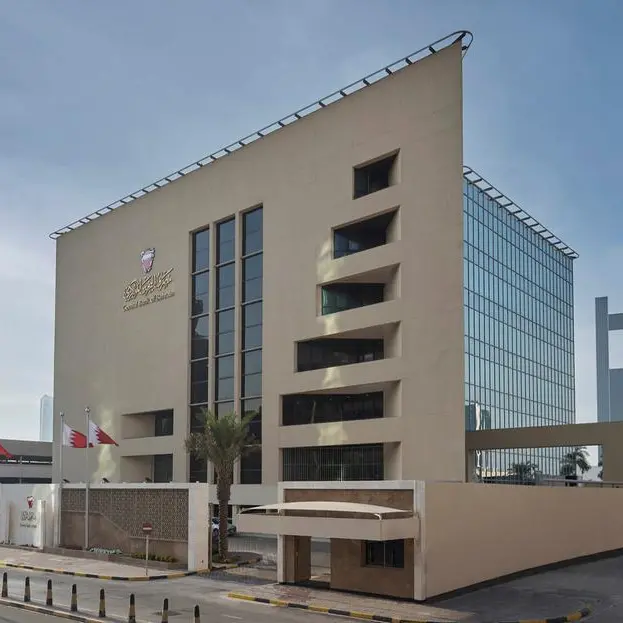
TRA's general director, Alan Horne was speaking at the Arab Regulators Network working group meeting on mobile roaming charges. The meeting was hosted by TRA Bahrain and attended by representatives from the regulatory authorities of Egypt, UAE, Oman and Saudi Arabia.
Horne also said: "In today's increasingly mobile world people are getting used to be within reach all the time and everywhere they go. These needs coupled with favourable dynamics in price trends led to tremendous global success of mobile telecommunications. It is reported that there are more than 3 billion mobile connections worldwide at present and forecasted that global mobile penetration will reach 75 per cent by 2011. Despite such a successful adoption of these services, users still face significant barriers to use these services freely as soon as they reach boarders of their countries. These are not real technical barriers but rather commercial ones having the form of the very high prices for calls when roaming abroad".
"It is true that some recent market and technological developments may have a positive impact on the international roaming market. These developments include the: emergence and increasing use of roaming traffic direction techniques; the creation of groups and alliances of mobile operators as well as establishing of "single network" areas covering several countries; ability to "localise" visiting consumer by assigning him/her a local number of a visited country; increasing market activities targeting inbound customers, including raffles; and emergence of regional/global offerings specifically targeting market of roamers. Although these developments increase competition in the international roaming market and exert downward pressure on prices, it is not certain that they will bring the results sought in a form of more attractive prices that would be closer to costs. Therefore it is important to evaluate these developments and the need to assist them with targeted and proportional regulation" he said.
The working group was debating the possibility of regulating roaming charges, and listened to various input from international experts, including Tom Phillips and Mark Page from the GSM Association, Vaiva Lazauskaite from the International Telecommunications Union (ITU), Dr Morten Falch, Associate Professor at Technical University of Denmark, Christian Jervelund, Partner, Copenhagen Economics consultancy firm, and Dr Erik Bohlin, Associate Professor and Head of Division, Technology and Society, Chalmers University of Technology in Sweden.
One of the options discussed by the group was the recently introduced European roaming regulations. From the beginning of this autumn European customers have been able to enjoy more attractive prices when travelling within the boarders of the European Union.
The results of the working group discussions will be presented to the Arab Leagues' permanent committee for telecommunications, who will consider the recommendations in preparation for the meeting of the Council of Arab ICT Ministers which originally assigned the Arab Regulators network to study the roaming charges issue.
© Bahrain Tribune 2007