Monday, Apr 02, 2012
Gulf News
Dubai: The unprecedented socio-political uncertainties and global economic turmoil have been a serious drag on investor sentiment in the region, but for the same reasons, Gulf economies are thriving, wrote Farouk Soussa, Citibanks chief economist for the Middle East in a note yesterday.
The negative news flow has meant that Gulf risk assets have underperformed non-regional peers. We believe this is likely to continue to be the case so long as politics dominate the headlines. But we think it is important to remember that for some of the same reasons, global oil prices have been soaring and that this is resulting in a massive windfall to the exporters of the Gulf, he said.
The 2011 average Brent price was the highest on record both in nominal and in real terms, surpassing both the 2008 and 1980 high-water marks by some margin.
Gulf countries have also been increasing oil production steadily over the years, bringing total output to an all-time high.
Revenue windfall
The very same political risks that have raised concerns over sovereign creditworthiness and economic outlooks have also helped generate the greatest revenue windfall in the regions history, strengthening sovereign balance sheets and the economic outlook, said Soussa.
Against the IMFs 2010 forecast of oil price averaging $75 a barrel in 2011, it averaged $110 a barrel last year. The difference in revenues implies a windfall of $183 billion (Dh671.9 billion) for the regions oil exporters. Extending this logic, by 2015, the difference between oil revenues based on IMF assumptions from 2010 and Citis current assumptions on oil prices would put the cumulative windfall at over $1 trillion.
Record oil earnings have had a profound impact on the economic fundamentals of most Gulf countries. Economic growth has picked up in all countries except Kuwait, Bahrain and Oman. These are countries which experienced considerable political upheaval in 2011, and it is therefore unsurprising to us that growth there suffered as a result, said Soussa.
For Gulf oil exporting countries, government finances, both in terms of flows (budget balance) and stocks (fiscal/FX reserves) strengthened significantly. High oil prices also improved external balances.
Fiscal positions
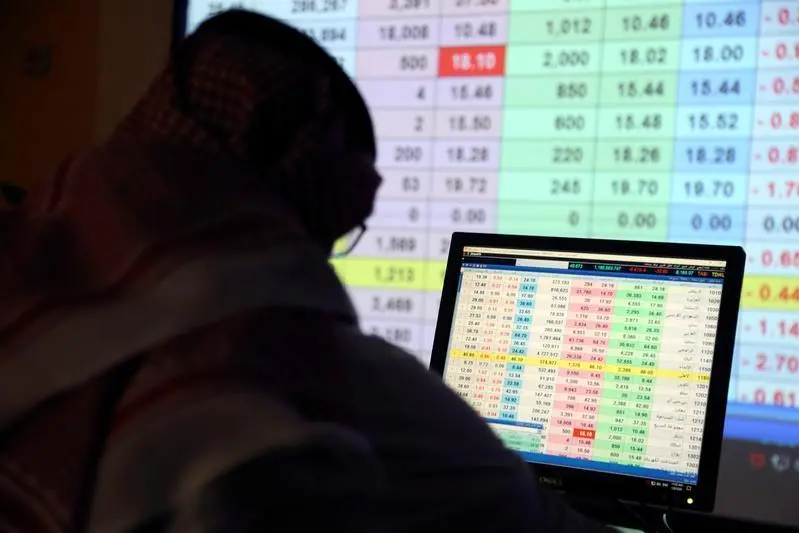
Analysts said while oil prices have strengthened the fiscal positions of Gulf countries, some regional asset classes have benefited from the political turmoil. While regional stocks have underperformed, bonds have benefited with their credit default swap spreads narrowing substantially compared to similar non-regional bond issues.
The UAE is widely seen as very safe in the region and the country has hugely benefited from this perception, Brad Bourland of Jadwa Investments said recently.
By Babu Das Augustine, Deputy Business Editor
Gulf News 2012. All rights reserved.