PHOTO
LONDON (Reuters Breakingviews) - Robert Mugabe gave Zimbabweans freedom from their colonial oppressors. The long-serving president, who has died aged 95, also liberated them from any type of conventional or workable economic logic. Unfortunately for his fellow citizens, the latter is what he will be remembered for.
The 500 billion percent increase in prices that Mugabe presided over in 2008 was so intense that it stands with the 1923 hyperinflation in Germany’s Weimar Republic as the textbook example of the phenomenon. In response to a struggling economy, Zimbabwe’s government printed money until the domestic currency was worthless and local prices correspondingly extreme. But what happened next was just as problematic.
Almost a century on from its own economic catastrophe, Germany’s terror of a repeat helps explain its politicians’ opposition to loose monetary policy and scepticism of fiscal stimulus. Zimbabwean citizens have a similar aversion to ballooning prices. But the increasingly authoritarian Mugabe was able to cling to power until 2017 when he was displaced in an army-led coup. The implicit message was that presiding over catastrophic economic policies need not be politically fatal.
In the last decade, Zimbabwe restored monetary order of a sort by pegging its currency to the U.S. dollar. This “dollarisation” only works if the country involved balances its budget to maintain the integrity of the peg. Eventually, Mugabe’s officials tired of that and started paying the swollen public sector wage bill in electronic “zollars” which were increasingly flimsily backed by scarce U.S. dollars.
Even as Mugabe’s successor Emmerson Mnangagwa dismantles the former president’s patronage networks, monetary illogic is never far away. The state’s June decision to formally stop using foreign currency was the right idea. But it was enacted without the two things Zimbabwe dearly needs to make the move sustainable: Proper talks with the International Monetary Fund and World Bank to reschedule Zimbabwe’s $2 billion of foreign arrears, and action to tackle a budget deficit that last year hit 11% of GDP. The inevitable result was a huge devaluation and a corresponding spike in inflation which threatens social stability and means the $23 billion economy will probably contract this year.
Most newly independent countries experience teething troubles creating trustworthy institutions. Mugabe’s epic record of economic mismanagement, however, is his unique legacy.
CONTEXT NEWS
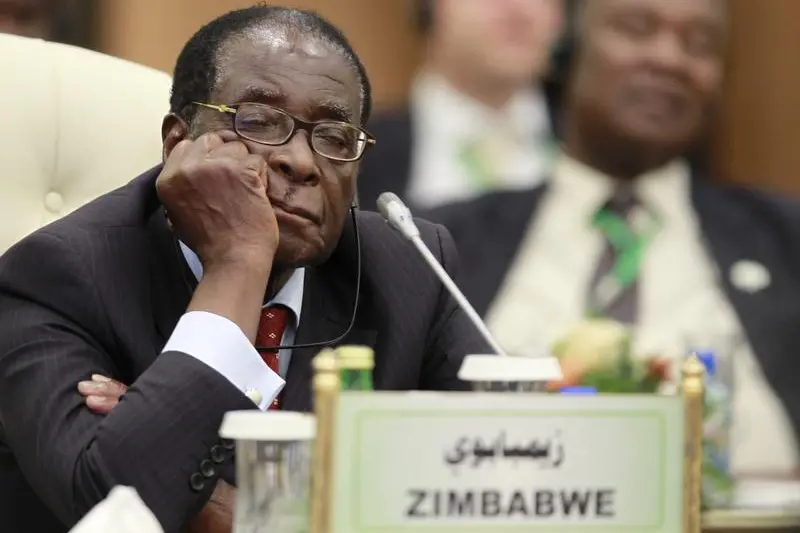
- Robert Mugabe, the guerrilla leader who led Zimbabwe to independence in 1980, died on Sept. 6, aged 95.
- Mugabe, whose four decades in power were ended by a military coup in 2017, died in Singapore, where he has often received medical treatment in recent years. His death was confirmed by Zimbabwe President Emmerson Mnangagwa.
(The author is a Reuters Breakingviews columnist. The opinions expressed are his own.)
(Editing by Peter Thal Larsen and Karen Kwok)
© Reuters News 2019