Tuesday, May 29, 2012
DUBAI (Zawya Dow Jones)--Middle East governments should divest their stakes in national telecom companies to help spur consolidation in an industry battling intense competition amongst incumbents and dwindling revenue from voice operations, the former chief executive of Kuwait's Zain (ZAIN.KW) said Tuesday.
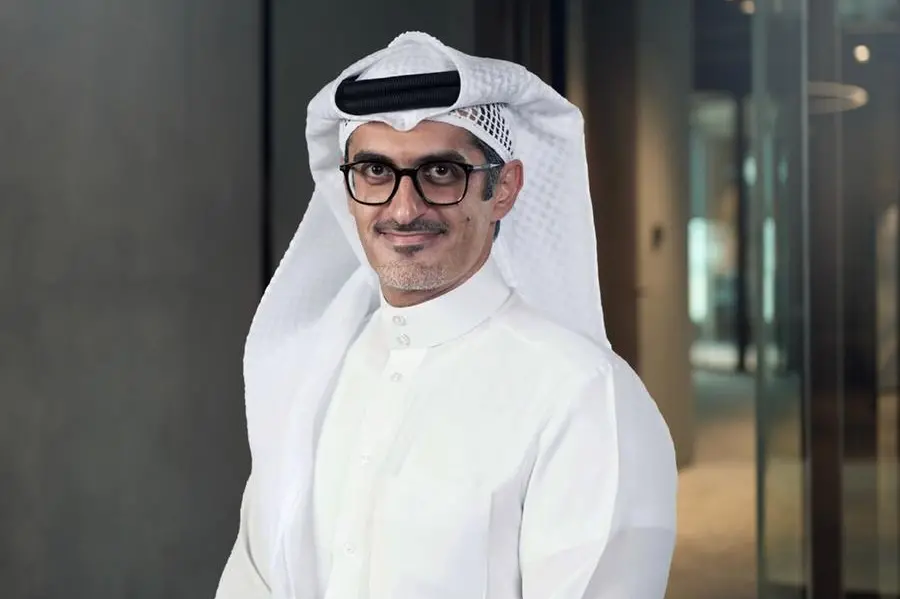
"We have a problem in this part of the world, that all the major [telecom] companies are [majority] government owned," Saad Al Barrak, who ran Zain Group from 2002 until 2010 before setting up Ila-group, a company that invests and manages telecommunication and IT companies, told reporters.
"It's politics not economics that [will] decide the next move for these companies. I think the first we should do is to privatize the regional big operators and let it be led by the private sector and go from there.
"We are in the Arab Spring era so you either change or die. Governments will try to cling to what they think is a money maker for them, which is wrong, they can recover more money and more value if they just devolve the ownership to the private sector," Al Barrak said.
According to Zawya.com data, Saudi Telecom Co. (7010.SA) is 83.6% owned by the government, while United Arab Emirates-based Etisalat is 60% state controlled. Qatar Telecom is 63% owned by the Qatari government and other government institutions. And Kuwait's Zain is 24.61% owned by the Kuwait Investment Authority, the country's sovereign wealth fund.
"We have small companies in every country-which are only domestic or hardly operate in one or two countries. They don't have economies of scale," said Al Barrak.
He added that the Middle East telecoms industry needs a dramatic transformation of mindset, culture and skills to compete not just on price but on value, and to bring more services and applications to the customer.
Al Barrak also called for telecom regulators in the region to become more autonomous.
"I think regulators in the region are synonymous with the government. We are the government, we are not the independent party that regulates the market to be a free, neutral, open market," he said.
-By Shereen El Gazzar, Dow Jones Newswires; +971 444 61684; Shereen.elgazzar@dowjones.com; Twitter: @ZDJnews
(END) Dow Jones Newswires
29-05-12 1559GMT