Marrakech is Morocco's most popular tourist destination and April its busiest month, but ever since the global financial crisis started to hit the Red City, tourism officials have been forced to think of new ways to keep the travellers coming.
On the main streets of Marrakech, honking cars zigzag through traffic; on the sidewalks, pedestrians in colourful outfits forge paths through street vendors, carts and snake charmers; in the cafes, tourists sit back, sipping traditional Moroccan tea, enjoying authentic food and listening to local music.
It is a city of contrasts, where history comingles with modernity and wealth and poverty come face-to-face.
Wherever you look, whatever the season, tourists from all over the world head for the "Red City", particularly in April, when the climate is at its most favourable.
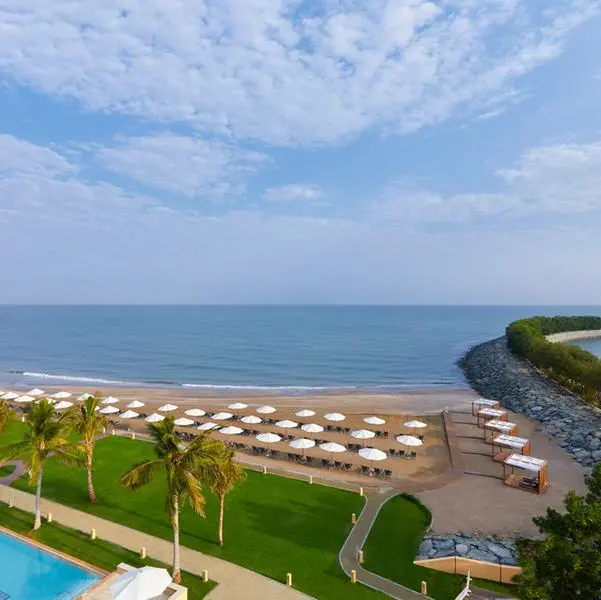
"It was the sun that made us fall in love with this region of Morocco. That, and its ancestral heritage," a Frenchman from Bordeaux tells Magharebia as he and his wife lounge poolside at the Hotel Tichka. Every spring, they come to Marrakech to recharge their batteries.
Marrakech is not subject to seasonal weather extremes, making it appealing to European travellers. On legendary Djemaa El Fna square, artists, craftsmen, fortune tellers and snake charmers can be found year-round.
The nerve-centre of the old walled town is the rallying point for tourists. The huge open-air restaurants are fragrant with the aroma of kebabs, caressing your senses and urging you to find yourself a table. Raised terraces of neighbouring cafés perch over the square like a great theatrical arena.
All roads lead here, to the snake charmers with reptiles of all shapes and sizes in their arms and the soothsayers offering to tell your future. Music fills the air and there is a carefree, festive atmosphere.
The place is well-known for its vibrant nightlife.
"There's all this music, all these shows. It's a party town," says Mattieu, a French tourist from Toulouse.[File] European tourists get decorated with henna in Djemaa El Fna.
But the festive show put on for the tourists can barely conceal the misery of many of the Marrakchis. The old women who offer to read the future in your palm or decorate you with henna suggest immeasurable distress, if their clothing is any indication.
And then there are the child beggars.
Khaoula is 13 years old. It is ten o'clock at night, but rather than doing her homework, she is here selling homemade cakes on the street. When asked if she regularly comes here to this little alleyway leading into to the old walled town, she says, "every day", then holds out her hand in an appeal for alms.
The alleys by Djemaa El Fna square lead to the souks - a veritable Ali Baba's cave. Tucked in between the square and Ben Youssef medersa (Qur'anic school), the souks are irresistible to tourists.
Merchants' stalls are grouped by trade or speciality. All kinds of objects can be found here, from traditional Moroccan slippers and spices to pottery and leather goods. Even though the prices are astronomical, few passers-by leave empty-handed. The souks wind through the labyrinthine alleys. Here and there, motorbikes make their way amid the throngs of pedestrians.
More than 40,000 craftsmen work in this enclosed area, shielded by wooden latticework or tucked away in covered walkways.
The Medina, the historic Marrakech city centre, covers 600 hectares. In the 12th century, a casbah (citadel) was built to protect the city from attacks from mountain tribes. The defensive walls were changed and extended many times by the various dynasties that reigned in Marrakech. Their ochre colour provided Marrakech with its moniker: the Red City.
The Medina is now an important residential and commercial hub. The traditional houses, or riads, have met with tremendous popularity among wealthy Moroccan and western tourists, who spare no expense on their restoration.
Another historic site on any tourist trek is the Bahia Palace, the former residence of Vizier Ba Ahmed, once Morocco's most powerful man. Also of note is the Koutoubia Mosque. With its minaret rising above the city - visible from everywhere and illuminated at night - it is among the most beautiful monuments in North Africa. [File] The Koutoubia Mosque is one of Marrakech's most recognised landmarks.
Tourism in Marrakech, however, is starting to feel the impact of the global economic crisis.
Othmane Cherif Alami, who chairs the national tourism federation, confirms that Marrakech's figures are tailing off. "The city is suffering from recession," he concedes.
"Previously, this time of year was the high season, and there were never any vacancies here at the Souleyman Palace," he says sadly, speaking over the sound of a nearby concert of Andalusian music.
"The financial crisis is starting to have an effect on tourism. The whole of Marrakech will feel it," the seasoned expert predicts.
Local and national authorities are working hard to preserve Marrakech as a favoured tourist destination. Under a "crisis plan" set out by the tourism and crafts ministry and the national tourist board, the government promised in the 2009 budget to increase communications funds for the ochre city by 20% (it stood at 116 million dirhams in 2008).
''The idea is to reduce the impact of the recession and consolidate Marrakech's [tourism] market share," says Hamid Bentahar, head of the regional tourism council (CRT). Much is being done to secure the French market, which makes up 60% of the tourist numbers. Other strategies target the internal market (12%) and the United Kingdom (11%).
CRT Marrakech prepared its own action plan, promoting golf and eco-tourism, cultural weeks, sports competitions and festivals. In an aggressive marketing strategy, the CRT in March launched a series of "roadshows" through France to promote Marrakech as the premier tourist site in the kingdom. The French promotion included B2B workshops between Moroccan and French tourism professionals.
To deal with the difficult circumstances facing the sector, many Marrakech businesses also started offering very attractive price reductions on their products.
"Demand is not as high as it used to be," hotel receptionist Hamdane tells Magharebia, "so management decided to offer special deals to attract customers from both home and abroad".
Craftsmen in the city are also feeling the effects of the recession.
"Tourists still come in large numbers to admire the work on display," Samir Radi tells Magharebia, "but fewer of them are buying the products".
By Lyes Aflou and Siham Ali for Magharebia in Marrakech
© Magharebia.com 2009