Uganda's beautiful western Rift Valley belt with its rolling hills and parks filled with rare birds and wild game is also the arena of its economy' s most existential challenge to date.
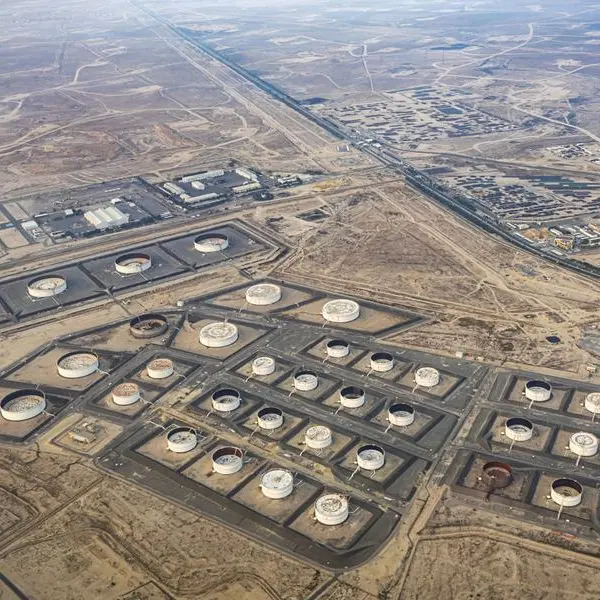
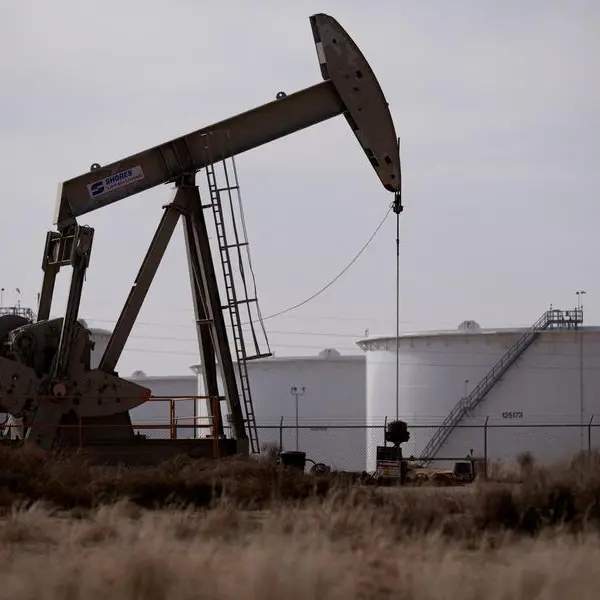
Oil companies say the country has over 2 billion barrels and more is expected, Monitor.co.ug wrote.
Exploration in what is known as the Albertine Graben, turned out to be a gift horse to the country, which in the past decade has been an example of the extent to which donor charity and its prescriptions of spending controls can do to push an economy beyond recovery.
The prospect of large infusions of petrodollars even with a depressed global market is palpable in the corridors of power. The proverbial gift horse is being looked at closely.
Iran Deal
This month President Yoweri Museveni accompanied by a delegation, which included the head of the national oil program, Ernest Rubondo, signed a memorandum of understanding with the government of Iran for implementing an oil project in western Uganda.
The agreement represents the crossroads the country has arrived at, pushed along in the past three years by the rapidity of announcements by London-listed exploration companies Tullow and Heritage Oil.
Simply put, Uganda's plan is to begin refining oil as soon as possible.
The companies, especially Tullow, delayed a smaller refinery [top up plant] that was meant to be operational this year by arguing that with so much oil it was better to tailor-make one.
By searching the market for sovereign wealth funds from countries like Iran, Libya and China, Museveni is sending the message that the exploitation phase of the national program will not wait.
Government officials in interviews have indicated that oil exploration companies are unlikely under the present global economic conditions to raise the money required to leapfrog Uganda into an oil producer.
The companies appear to be adjusting to that reality. In its May 12 Annual General Meeting, shareholders of Tullow Oil [which closed down a drilling well last week the first snag in its string of successful drilling] were told the door was open to bigger players interested in the companyÕs concessions in Uganda.
Partnerships
Tullow Chief Aidan Heavey spoke of partnerships with larger oil companies once the exploration phase is overÓ.
ÒThere may be too many interested parties for any one company to make an offer to buy Tullow outright [but] many bigger players are interested in co-ventures he said, referring to Chinese companies and others.
Heavey reportedly spoke of finding a partner to fund the development of oil evacuation infrastructure like pipelines but he, like his partner Heritage Oil and Gas, is still speaking of crude oil exports.
Recent reports say since Uganda drew the line on the refinery, its relationship with the oil exploration companies has soured.
Tullow's announcement that it will accept buyers capable of taking the next step may accommodate some of the national ambition but this may only happen if its proposals fit the shape of the oil sector that is beginning to emerge.
The company according to financial news reports will seek and find a buyer for a stake in its Lake Albert oilfields first. Among the interested parties named are China's state-supported oil giants China National Petroleum Corp. and China Petroleum and Chemical Corp [Sinopec].
The question overall is whether pressure from companies interested in acquiring TullowÕs Ugandan assets as well as the governmentÕs own initiatives to find money for a refinery will cause the company and its partner to cash in now and hand the baton over.
In Angola where a large Chinese check restarted the national oil program--crude is destined almost entirely to China which consequently carries a lot of influence in the country.
In the Great Lakes Region where many interests are alive, Chinese money brings with it Chinese competitors like western governments. Indeed, sovereign wealth funds from Iran and Libya carry similar risks and opportunities.
However, China may also be the most politically risky and invite a backlash from western governments which have long argued it does not factor in local governance and democracy, and have isolated regimes like Sudan over its rights record and caused significant instability there.
In the short run, therefore, Uganda's oil will likely remain unexploited, especially if the government excludes the export of crude as an option.
© Iran Daily 2009