Thursday, Dec 18, 2003
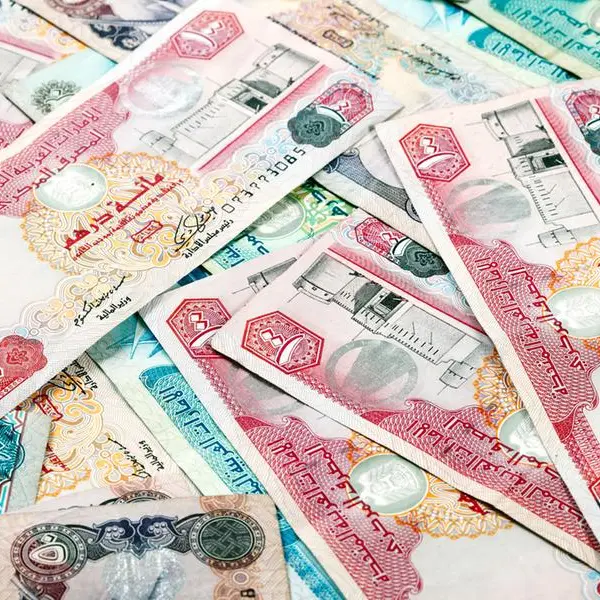
In the five days since Saddam Hussein's capture was announced by coalition authorities, the Iraqi dinar has rallied nearly 8 per cent against the dollar in Baghdad's vibrant, open-air currency markets where men of almost all ages shout bids and offers in a jargon all their own.
There are three such boursat in the capital, where owners of foreign exchange shops press together with freelance traders in scrums of about 150 to trade fat wads of greenbacks for blocks of fresh new dinar notes wrapped in Cellophane.
"I have 12 papers for the red. Who buys?" shouts one short, volatile man, using the slang for $100 bills (papers) and a stack of crimson 25,000 dinar notes. "It's money," cries a tall man across the huddle, closing the sale.
"In general, the price of the dollar depends on the political situation," says Zuhair al-Jadir, owner of a store-front exchange near the boursa in Baghdad's Harethya neighbourhood. "This is very important."
But Mr Jadir is only partly correct. Although the past week's post-capture rally is one of the strongest for the Iraqi currency since the Coalition Provisional Authority (CPA) introduced new notes in October, the dinar has been climbing steadily against the dollar for more than a month, increasing more than 16 per cent since mid-November.
In a country where there are no other formal economic indicators - CPA and finance ministry officials are still doing trial surveys with various baskets of goods to determine a consumer price index, for instance - the rising dinar has coalition officials hopeful that economic confidence may be starting to in this war-torn country.
Coalition officials acknowledge the exchange rate is only a rough tool, serving as a proxy for future pricing rather than a good indicator of underlying economic activity. Indeed, the dinar is not a completely free-floating currency.
The most important factor in the daily exchange rate is the morning dollar auction held by the central bank in its heavily-guarded compound in Baghdad. At 10am almost every day except Friday, representatives from about a dozen of Iraq's private and state-owned banks come to the compound with sealed envelopes listing the amount of dollars they want to buy and the price they are willing to pay. Central bankers take the bids into a conference room where three or four of them make a dec- ision on the day's rate.
Ahmed Salman Jabouri, the deputy central bank governor who oversees the foreign exchange market, says the panel takes the banks' bids into account but also looks at trends to make sure there are no wild fluctuations. Equally important, says the US-educated economist, are the open-air markets, which the bank monitors.
The spread between the bank auction price and the street price has gradually narrowed to the point where there is now only a 1 per cent difference on most days.
Simon Gray, a Bank of England economist who helped set up the auction process,
says a completely free-floating dinar was deemed impractical, since the Iraqi economy was about to undergo huge structural changes that would have led to wild rate swings and huge uncertainty. On the other hand, a fixed rate was deemed equally irresponsible, particularly since the central bank has limited foreign currency reserves.
As a result, the bank has adopted a "managed float", adjusting the volume of dollars sold to keep the rate stable.
Back in the open-air markets, the reason for the dinar's rise is hotly debated. A slowdown in imports - tied to the soon-to-end tax holiday on buying from abroad - has cooled the interest in dollars. There are also rumours about Gulf speculators buying the currency for unclear but untoward reasons.
But most of the traders and exchange store owners admit that at least part of the reason for the rise is a new-found confidence in the country's future.
"It's not a matter of just making money now," says Mr al-Jadir of the patrons who come in and out of his store. "They have faith in the future of Iraq."
Peter Spiegel in Baghdad
Copyright The Financial Times Ltd 2003. Privacy policy.