26 September 2011
MUSCAT -- DatacentreDynamics held its inaugural conference here yesterday, combining global knowledge and local insight.
The conference gathered data centre professionals from across the region for an opportunity to examine and discuss the latest developments in mission-critical technology and how these can be most effectively deployed.
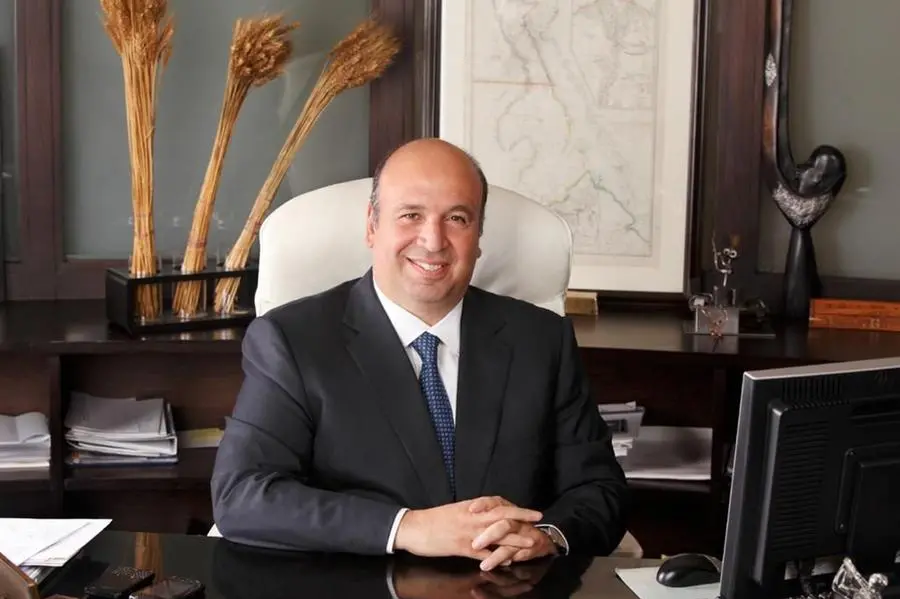
Dr Salim al Ruzaiqi (pictured), Chief Executive Officer, Information Technology Authority Oman (ITA), was one of the featured speakers at the DatacentreDynamics' conference. Yaqoob Dur Mohammed al Belushi, Director General of Infrastructure at ITA, also participated as a panel member in discussions.
Following the Chair's opening remarks, Dr Salim al Ruzaiqi opened the morning session with a presentation entitled "Delivering the Infrastructure for the Knowledge-Based Economy," which highlighted how the e.oman strategy is aligned to future trends. e.oman envisions transforming the Sultanate into a sustainable knowledge-society, aiming to enhance government services, enrich business sectors and enable individuals.
In his presentation, Dr Salim spoke about global technology trends such as the exponential growth of the Internet, societies' dependence on smart phones and the overabundance of data related to social media, which when coupled with public and private cloud computing will create a massive demand for data processing and storage. Guaranteeing data centers are equipped to handle all of this data in energy efficient ways while ensuring business continuity and availability is key. Data centre design is concerned with energy efficiency and optimising the best use of resources.
Keeping in mind the e.oman strategic goals, the two areas relative to data centres that the Government of Oman is most concerned with are enhancing eGovernment and eServices and national infrastructure development. With the strategic move to eGovernment, there will be a significant increase in integrated end-to-end eServices. For the national infrastructure development, achieving business continuity for critical systems and building a national disaster recovery centre is essential.
As a final point, Dr Salim ended his session by highlighted some of the challenges that data centres face such as environmental, supply feeds and operational concerns.
Government support and investment from the key regional industries have been essential in developing data centre facilities and market standards.
The resources committed to mission-critical infrastructure have allowed the design of architectures that take into account issues specific to the local market and have put in place solutions to address these. Areas such as facility cooling, uptime, data accessibility and security have long been areas that facility managers have sought to optimize. Increasingly industry professionals are examining how single solutions can solve multiple concerns and business goals.
MUSCAT -- DatacentreDynamics held its inaugural conference here yesterday, combining global knowledge and local insight.
The conference gathered data centre professionals from across the region for an opportunity to examine and discuss the latest developments in mission-critical technology and how these can be most effectively deployed.
Dr Salim al Ruzaiqi (pictured), Chief Executive Officer, Information Technology Authority Oman (ITA), was one of the featured speakers at the DatacentreDynamics' conference. Yaqoob Dur Mohammed al Belushi, Director General of Infrastructure at ITA, also participated as a panel member in discussions.
Following the Chair's opening remarks, Dr Salim al Ruzaiqi opened the morning session with a presentation entitled "Delivering the Infrastructure for the Knowledge-Based Economy," which highlighted how the e.oman strategy is aligned to future trends. e.oman envisions transforming the Sultanate into a sustainable knowledge-society, aiming to enhance government services, enrich business sectors and enable individuals.
In his presentation, Dr Salim spoke about global technology trends such as the exponential growth of the Internet, societies' dependence on smart phones and the overabundance of data related to social media, which when coupled with public and private cloud computing will create a massive demand for data processing and storage. Guaranteeing data centers are equipped to handle all of this data in energy efficient ways while ensuring business continuity and availability is key. Data centre design is concerned with energy efficiency and optimising the best use of resources.
Keeping in mind the e.oman strategic goals, the two areas relative to data centres that the Government of Oman is most concerned with are enhancing eGovernment and eServices and national infrastructure development. With the strategic move to eGovernment, there will be a significant increase in integrated end-to-end eServices. For the national infrastructure development, achieving business continuity for critical systems and building a national disaster recovery centre is essential.
As a final point, Dr Salim ended his session by highlighted some of the challenges that data centres face such as environmental, supply feeds and operational concerns.
Government support and investment from the key regional industries have been essential in developing data centre facilities and market standards.
The resources committed to mission-critical infrastructure have allowed the design of architectures that take into account issues specific to the local market and have put in place solutions to address these. Areas such as facility cooling, uptime, data accessibility and security have long been areas that facility managers have sought to optimize. Increasingly industry professionals are examining how single solutions can solve multiple concerns and business goals.
© Oman Daily Observer 2011