PHOTO
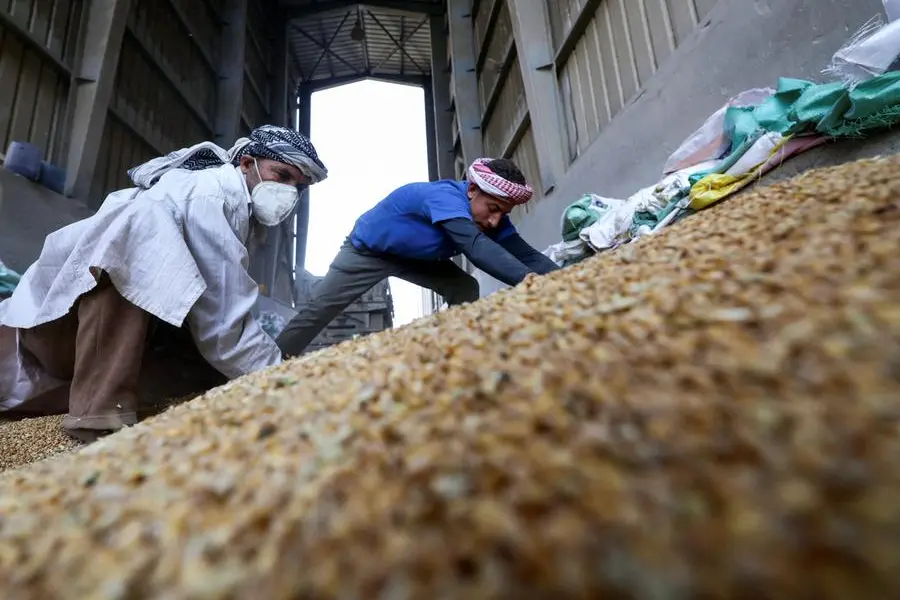
CAIRO - Egypt has bought a record amount of wheat from farmers and is on track to achieve a goal to buy 5 million metric tons this season after reforms designed to curb the country's reliance on imports, farmers, traders and officials said.
Already 4.6 million tons of wheat have been bought by the government, according to official figures, for the season that runs until mid-August and began in mid-April.
Prime Minister Mostafa Madbouly declared the amount, which already surpasses last year's full-season level, an all-time high in a statement on Wednesday.
One of the world's largest wheat importers, Egypt typically imports around 10 million tons annually, of which around half is bought by the government as part of its bread subsidy programme that supports around 70 million people. The government has stopped short of making public a clear rationale for the measures to reduce wheat imports, but the result should ease a shortage of foreign currency and the wider strain on the budget.
HIGH GOVERNMENT PRICES ARE A MAJOR INCENTIVE
The latest steps began in August last year when Egypt raised the price it would pay farmers for wheat for the 2026 season by 7%. Another increase in March, a month before the harvest began took the price to roughly $320 per ton, far above the international level.
LSEG data on Thursday showed the free on board price was around $234-$240 per ton for Black Sea wheat.
"The price was very attractive and encouraged a record planted area," said Hussein Abu Saddam, a farmer in Minya province, one of Egypt's core farming areas in the south of the country.
Egypt-based grains trader Hesham Soliman also said the pricing policy had been central.
"In dollars, you’re buying (wheat) from the farmer at around $323 per ton. This doesn't exist in the market at all,” he said.
“If you’re an importer and open a tender, the highest you would get is $260," he said, adding that the premium had also discouraged farmers from diverting wheat to animal feed or to private traders.
Ahmad Idam, head of the services sector at the agriculture ministry, told Reuters the wheat area increased to about 3.7 million feddans this season, the highest on record from 3.1 million feddans last year. A feddan is just over one acre.
Yields also increased as a result of favourable weather and improved seed varieties, Idam said.
Farmer Abu Saddam said his farm produced about 24 ardebs per feddan, roughly 3.6 tons per feddan, up from 22 last year, and that he had sold around 600 ardebs to the government compared with about 450 a year earlier. His family owns around 30 feddans.
PRODUCTIVITY HAS BEEN GRADUALLY RISING
An economist at the Agricultural Research Center, which is overseen by the agriculture ministry, told Reuters that productivity had been gradually increasing over the last decade and the aim was to reach around 27 ardebs, or roughly 4 tons per feddan (acre), without giving a timescale. The average now is 18 to 20 ardebs.
Speaking on condition of anonymity because he was not authorised to speak publicly on the issue, the official said reducing post-harvest waste had also played a significant role as part of wider logistics improvements. One of the biggest contributors to this season's volumes has been the Future of Egypt for Sustainable Development agency, a military-linked state authority, which has overseen the reclamation of desert land, as well as state wheat imports.
By Thursday it had delivered roughly 530,000 tons, more than 160% above the approximately 200,000 tons it contributed by the end of last season, according to official figures seen by Reuters.
Apart from encouraging more domestic production, the government increased its wheat imports during the first five months of the year, compared to the same period last year.
Trader Soliman predicted the 5 million ton harvest, together with replenished stocks, meant there could be a significant reduction in government imports in the second half. The government, which last year bought about 3.9 million tons from local farmers, did not respond to a question from Reuters about how much it might import later this year. The needs could change depending on a policy decision that the government says could happen as early as next month that would involve switching from in-kind subsidies to cash-based subsidies. It has not given further details.
(Reporting by Sarah El Safty and Mohamed Ezz; editing by Barbara Lewis)