Saudi Arabia is exploring for 100 billions of new barrels to retain its influence in world oil markets.
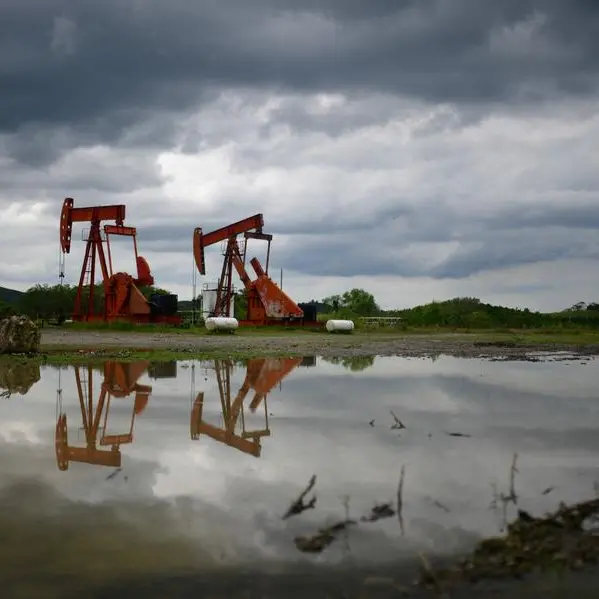
Saudi Arabia is exploring for nearly 100 billion barrels of new oil in existing fields and offshore in the Red Sea, according to an Associated Press report.
Amir Nasser, a senior official of state-owned Saudi Aramco, unveiled the plans in a speech Tuesday at an annual energy conference in Houston, according to AP.
"We are very optimistic about the potential for significant discoveries," said Mr. Nasser, according to AP, adding that the discoveries could also boost natural gas production by 40%.
The Kingdom sits on 267 billion barrels of proven oil reserves, which were until recently considered the largest in the world until Venezuela boosted its reserves to 296 billion after new heavy crude discoveries in 2010.
While the Kingdom remains one of the few oil producers with spare oil capacity, it has been alarmed by the rise of unconventional oil and other OPEC and non-OPEC players.
Khalid Al Falih, CEO of Aramco, said in November that the company had abandoned plans to raise its crude production capacity from 12 million bpd to 15 million bpd due to the rapid production of shale oil reserves.
The rise of non conventional oil and production ramp of non-Opec producers have also raised concerns about OPEC's future prospects among analysts.
Julian Lee, an energy analyst at Centre for Global Energy Studies (which was founded by a former Saudi oil minister) recently said that the cartel's exports to North America are dwindling.
"The need for OPEC oil in the coming decades is uncertain, which is one reason that producers have been reluctant to invest heavily to boost capacity," Mr. Lee told the media.
For now, though Saudi Arabia has been pumping crude at record levels.
The country's oil production rose to 10 million barrels per day (bpd) in December 2011, according to EIA-released data. This was the highest level in three decades and lifted average 2011 oil production to 9.4 million bpd. The increase came despite a further rise in Libyan oil output in December. EFG-Hermes see the higher Saudi oil output as being aimed at stabilising the oil market given rising tension between Iran and the West, and supply concerns from Nigeria.
"We do not expect to see a change in 2012 policy as a result of higher oil income, with government expenditure already expected to remain expansionary," said EFG in a note. "It will, however, bolster domestic and market sentiment and result in a stronger build-up of FX reserves, which in turn will support the medium-term spending outlook. We also see upside to our oil price assumption in 2012 given the geopolitical tension, albeit less than for Saudi oil output. Higher Saudi production to compensate for embargoed crude could help to dissipate some price."
LONG TERM
While in the short-term, Saudi Arabia remains the oil kingpin, it is the medium to long term that vexes the Kingdom's government.
As such, the new Saudi drive to explore for more oil may be driven not just to remain influential in oil markets, but also by domestic needs.
A recent report by U.K.-based Chatham House suggested that Saudi Arabia could turn into a net oil importer by 2038 if its domestic energy consumption continues to grow unchecked.
"The country currently consumes over one-quarter of its total oil production - some 2.8 million barrels a day. This means that on a 'business as usual' trajectory it would become a net oil importer in 2038," said Chatham House in a report.
While Saudi oil minister Ali AlNaimi rejected the idea, Saudi Arabia does need to pump more oil to pay for its generous salary hikes, subsidies and grants to Saudi citizens.
Deutsche Bank says Saudi Arabia needs Brent to be at around $100 to balance its ever-expanding budget.
Saudi Arabia is also worried about losing its influence within Opec, especially as fellow member Iraq stated its ambition to rival the Kingdom's 12 million barrel per day production capacity within a decade. Iraq's friendly ties with Iran may also have factored into Riyadh's urgency to discover and produce more oil.
The potential finds in the Red Sea could also allow Saudi Arabia to avoid the troubled Strait of Hormuz and gain much faster and safer access to European and African markets.
Also read: Saudi Arabia's Balancing Act
OPEC Shia-Sunni split?
© alifarabia.com
© alifarabia.com 2012