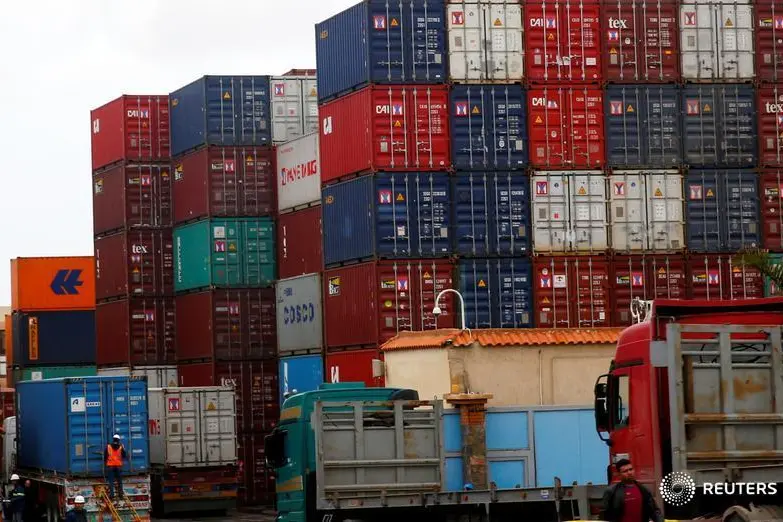
African Union celebrated its 50th year in late May as the continent shows signs of standing up on its feet and commencing its next phase of development.
The past 50 years of the African Union have been marked by divisions, internecine, bloody civil wars, colonial hangovers, corruption and rampant poverty.
But amid the darkness, the continent has managed to pick itself up and register some significant victories.
"As we all know, Africa has passed through a difficult and gruesome history associated with slavery, colonial subjugation and racial discrimination," Dr. Tedros Adhanom Ghebreyesus, Ethiopia's minister of Foreign Affairs told a Chatham House audience in May.
"Successive generations of Africans paid the ultimate sacrifice in the struggle against all forms of injustice and subjugation so as to restore the freedom and dignity of peoples of Africa."
While the current emphasis on development in some countries is commendable, the continent has been suffering from decades of negligence.
Even during times of relative peace, for many Africans the last 50 years have been riddled with neglected infrastructure, lack of social and political reforms, corruption and poverty.
"Fifty years since its original inception, the African Union (AU) reflects a significantly changed African and global environment," said Jeremy Astill-Brown, associate fellow, Africa Programme at Chatham House.
"Its predecessor, the Organization of African Unity (OAU), established in Addis Ababa, on May 25, 1963, was dedicated to combating colonialism, promoting the economic and political future of Africa, defending the sovereignty of African states, and to promoting a better life for African people. But today, for many in Africa, freedom and sovereignty have yet to translate into significantly improved lives."
The union has had a mixed record and, like the United Nations, has its fair share of detractors and defenders. It also faces the impossible task of managing expectations, balancing various contradictory views by regional powers, and refraining from mission creep in complex, volatile situations.
NEXT CHAPTER
The 54 heads of the African states that comprise the union made some bold declarations, "to take ownership of African issues and provide African solutions to African problems."
The heads of states pledged to end all wars in Africa by 2020, eradicate diseases such as HIV/AIDS, malaria and tuberculosis.
In addition, the 54 heads of states comprising the African Union vowed to focus on Africa's infrastructure development and "link Africa peoples, countries and economies, and help to drive social, cultural and economic development."
"In this regard, we commit to meet our strategic targets in transport, ICT, energy and other social infrastructure by committing national, regional and continental resources to this end."
The pledge also included a call to implement a Continental Free Trade Area, and bring toward the various regional economic communities to strengthen the African Union.
FALLING SHORT AMID PROGRESS
Even the rapid growth of the past decade has fallen short in improving many social and macroeconomic indicators.
Data from the African Development Bank (AfDB) shows African countries needed growth of around 7.16% to meet poverty reduction targets, but was in actual effect 5.30%.
The unfinished story of Africa's development spans many areas.
Poverty, for example, declined in Africa from 56.7% in 1990 to 47.5% by 2008, according to the African Union.
"Nevertheless, decent jobs are at a premium in Africa as the majority of jobs are in the informal sector, which generally has low incomes, low productivity and poor working conditions," said the AfDB in its report on millennium development goals. "Vulnerable employment accounts for some 70% of employment growth - and is largely overrepresented by women."
Meanwhile, net primary education enrolments in many African countries exceed 90%, but only a third of those enrolled manage to complete their education.
Africa has got a handle on the AIDS menace but lack of funding could derail progress, especially the cancellation of Round 11 of the Global Fund to Fight AIDS, Tuberculosis and Malaria.
Meanwhile, while malaria-related deaths have fallen, lack of access to drugs presents a major issue.
MAJOR ISSUES
The African Union has a number of issues to contend with as it devises strategies for the next 50 years of its development.
MAINTAIN MOMENTUM: This is not the first time African nations have enjoyed a boom period, but many have faltered due to corruption and lack of planning in the past. A more regional economic cooperation is crucial to ensure that the region maintains its growth levels.
As the African Union states pledged: "Accelerate action on the ultimate establishment of a united and integrated Africa, through the implementation of our common continental governance, democracy and human rights frameworks. Move with speed towards the integration and merger of the Regional Economic Communities as the building blocks of the union."
INSURGENCY: Islamic insurgency is a growing menace in places like Mali, Algeria, Nigeria, Niger and has the potential to spill into other regions. African Union countries will need to improve intelligence cooperation to keep a lid on this rising problem.
REPAIRING FENCES: The union has the ambitious plan to end all African wars by the turn of the decade by addressing "root causes of the conflict including economic and social disparities."
SOCIAL DEVELOPMENT: Improving educational and healthcare infrastructure to rein in many of the deadly diseases in Africa is one of the key action plans for the African Union. Healthy, educated Africans are desperately needed for the next wave of economic development.
RESOURCE DEVELOPMENT: Resource development has been a key driver of economic growth, but it needs to be managed by greater accountability of those in charge.
As foreign investors circle around African riches, governments will need to ensure they secure a balance between the best long-term deal for their people and profitability for investors.
DEMOCRATIC REFORMS: A number of African states have had elections over the past few years, highlighting an uneven progress towards greater political reforms. This development needs to be nurtured and strengthened.
"Promote integrity, fight corruption in the management of public affairs and promote leadership that is committed to the interests of the people," African Union said.
PLACE IN THE WORLD: Often neglected and a victim of discrimination by the rest of the world, Africa needs to gets it voice heard and the African Union is a key vehicle for the continent to play an active role in international forums such as the World Bank, United Nations, etc.
"We pledge to articulate the above ideals and goals in our national development plans and in the development of the Continental Agenda 2063, through a people-driven process for the realization of our vision for an integrated, people-centered, prosperous Africa at peace with itself," the AU statement said.
© alifarabia.com 2013