After riding on the crest of high oil prices earlier in the years, Saudi economy appears to be cooling off during the hot summer months. The initial euphoria surrounding the domestic stimulus initiated by the government has given way to concerns over global economic growth, and consequently oil prices.
Still, businesses and consumers are comforted that the government will continue to pump tranches of the announced $130-billion stimulus package over time and the trickle-down effect it will have on the rest of the economy will encourage growth.
However, this ebullient mood could be dampened if oil prices fall further and regional turmoil escalates or new flashpoints emerge.
The euphoria over Saudi Arabia's $130-billion splurge on domestic spend is easing somewhat as the country enters the summer season.
"The weaknesses in two leading indicators for Saudi Arabia extended into the second month as we enter the summer and Ramadan season," writes Dr Khan Zahid of Riyad Capital.
"Global oil prices and the Saudi stock market remain weak for the second month running. The initial impetus of the new government spending programs has also passed through. As a result, we foresee a seasonal soft patch through the end of Ramadan. Beyond that, we expect economic conditions to move back up to positive territory," wrote the bank chief's economist in a note to clients.
After beginning the year on fire, oil markets have cooled off since the spring.
The average price of the OPEC basket plunged from US$ 118.09 per barrel in April to US$ 109.94 in May.
WTI has fallen 3.02% in the first week of July alone as the Saudis and the International Energy Agency opened the oil taps to soothe markets.
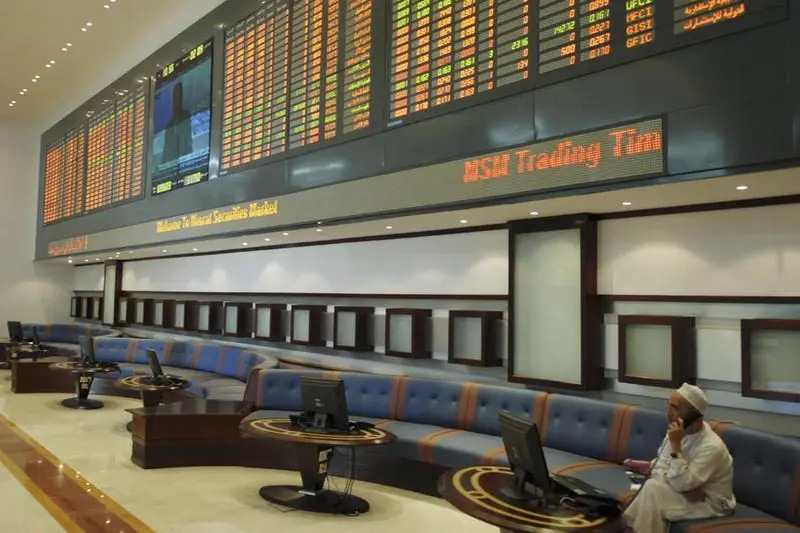
Another key gauge is the Saudi Tadwaul index which has failed to lift off, despite considerable stimulus.
"The Saudi stock market has also weakened noticeably in June and is expected to remain weak in the coming month due to earnings season volatility and the summer seasonal hiatus," says Dr Zahid. "It has failed to sustain the 6,700-level despite a number of recent attempts, falling to a three-month low of 6,378 on June 20."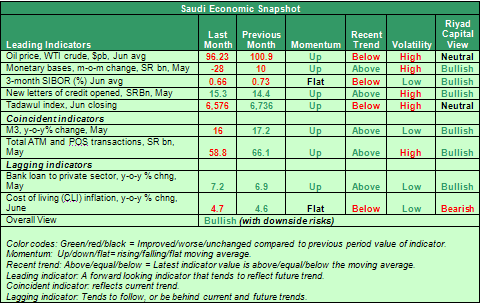
Worryingly, consultant Nilesen's second quarter consumer confidence survey shows Saudi Arabia declining by 11 points, after showing one of the biggest increases in the first quarter.
Saudi consumer confidence had risen 11 points in the first quarter on the back of government stimulus and rising oil prices, but the country's consumer confidence has slid back to where it was at the start of the quarter.
Despite the dip, the Saudi consumers continue to be one of the top 10 most optimistic consumers across the globe.
"In Saudi Arabia, the Q1 surge in optimism caused by the additional cash injected into the market by King Abdullah was toned down as consumers were also hit by increasing food and rental inflation as a result of more liquidity in the market," said Arsalan Ashraf, managing director Saudi Arabia.
The dip in confidence is also a result of decreased confidence in the economy where almost twice the consumers have said that economy is their biggest concern over the next six months compared to the start of the year.
National Commercial Bank's Business Optimism Index (BOI) for the third quarter also shows a drop among respondents focused on non-hydrocarbon sector.
The composite index for the non-hydrocarbon sector stands at 52 in Q3 2011, 16 points lower compared to the index score in the second quarter. The drop in index value reflects that business sentiments have been impacted in the short term by the new stresses that have appeared in the global economy even though the Saudi economy remains robust.
"The BOI survey reveals that despite a drop in the composite index, business optimism still remains very high," notes NCB in a report.
"The drop in the value of the composite index is due to a fall in the BOI values of all six parameters. The BOI for the Volume of Sales parameter has registered a value of 61 compared to 78 in Q2 2011, while the BOI for the New Orders parameter is down by 16 points to 62. The BOI for Level of Selling Prices stands at 34 in Q3 2011, down from 46 in the last quarter. Saudi Arabia's annual inflation slowed to a 16 month low of 4.6%."
Moreover, the respondents in Saudi Arabia's financial and business services sector are not expecting a reasonably strong third quarter in 2011. The composite BOI score for this sector is at 54, retreating 16 points from the previous quarter score.
A key issue weighing on the minds of respondents in both the hydrocarbon sector and the non-hydrocarbon sector is a shortage of skilled labour.
This is also largely due to the fact that 63% of those surveyed expect to raise their head count in the immediate future.
Perhaps their labour concerns are also exacerbated by the new criteria set by the Saudi Government under the Nitaqat programme. Under the new policy, companies will be classified into one of four categories: "red" and "yellow" are failing companies that will face expatriate employment restrictions, whilst "green" and "excellent" are companies that meet and exceed their quota levels. Under the previous system, companies either passed or failed.
EFG expects to see a rise in employment in 2011, including foreign hires, and does not expect to see a material change as a result of the Saudisation plan.
Change In Temperature
The sudden change in sentiment is primarily due to a souring of the global economy. The American economy has stuttered and continues to show anaemic and disappointing growth. In the European Union, Greece continues to remain a worry while Portugal, Spain, Ireland and now Italy are showing continued signs of weakness, eroding demand for energy.
The decision by the International Energy Agency to release 60 million barrels of oil has also taken oil prices off the boil, although the move has not resulted in a major collapse in crude.
Indeed, Saudi Basic Industries (Sabic), which saw a jaw-dropping 61% rise in net profit in the second quarter, does not expect to repeat the feat in the subsequent quarters, as demand for plastics weaken.
Sabic chief executive Mohamed Al Mady told Zawya Dow Jones that the companies petrochemical sales were slightly impacted by the European debt crisis but the situation was likely to improve in the future, while demand from Asia would continue to lead the way. "I'm sure the European market is going to be affected," he said.
Temporary Blip?
However, nobody is suggesting that the Saudi economy is set for a sustained fall.
Riyad Capital notes that beyond the summer months, economic conditions should move back up to positive territory.
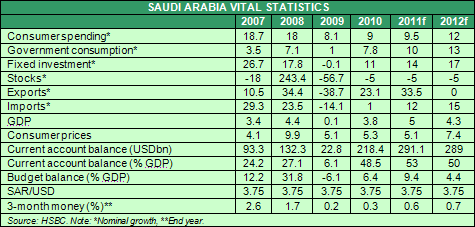
Similarly, Standard Chartered Bank expects Saudi economy to grow 6.6% this year and four per cent next year. HSBC has also raised its forecast for Saudi growth this year.
"The adjustment is modest but is supported by signs the stimulus programme announced in Q1 is making its impact felt," notes HSBC. "We are also encouraged by early signs of a pick-up in credit creation after more than two years of stagnation. Despite the pick-up in spending and likely intensification of import demand, we project at least two more years of budget and current account surpluses, allowing the government to add further to already substantial reserves."
However, there is a sense of 'unease' in the Kingdom, argues HSBC. Saudi Arabia's support of its neighbours underscores the anxiety regional unrest causes. Also, Saudi Arabia's stimulus package, which is 30% of its GDP suggests the authorities' depth of concern over domestic economic conditions.
"In particular, its appears to recognise that a five-year average growth rate running at under 3% is inadequate to create the employment opportunities Saudi Arabia's overwhelmingly young population require," writes Simon William, HSBC's regional chief economist. "New proposals to tighten restrictions on the employment of expatriates also points to worries over unemployment."
More importantly, there is no guarantee that oil prices will rise. Deutsche Bank estimates show there is a 46% probability WTI crude would remain under $100 a barrel.
Other major forecasters such as Merrill Lynch and Goldman Sachs are dividend on oil price forecasts.
Goldman Sachs has also cut growth forecast of the U.S. from 2% to 1.5% this year, suggesting oil prices could track lower as demand weakens in the world's biggest energy consuming country.
Conclusion
The challenge for Saudi Arabia over the next six months will be to ensure that the domestic stimulus sustains economic growth, even as weak global growth continues to dampen business and investor sentiment.
© alifarabia.com 2011