JEDDAH: The three-day Saudi Water and Power Forum 2010 (SWPF) kicked off here Sunday with a call for an expansion in the scope of investments in water and power projects. It also set off an awareness campaign for the judicious use of scarce water.
"Sustainable prosperity through knowledge, innovation and cooperation" is the theme of the forum that opened with the support of Makkah Gov. Prince Khaled Al-Faisal and the Ministry of Water and Electricity. The forum also features an international exhibition that has the participation of many major national and international companies involved in water and power.
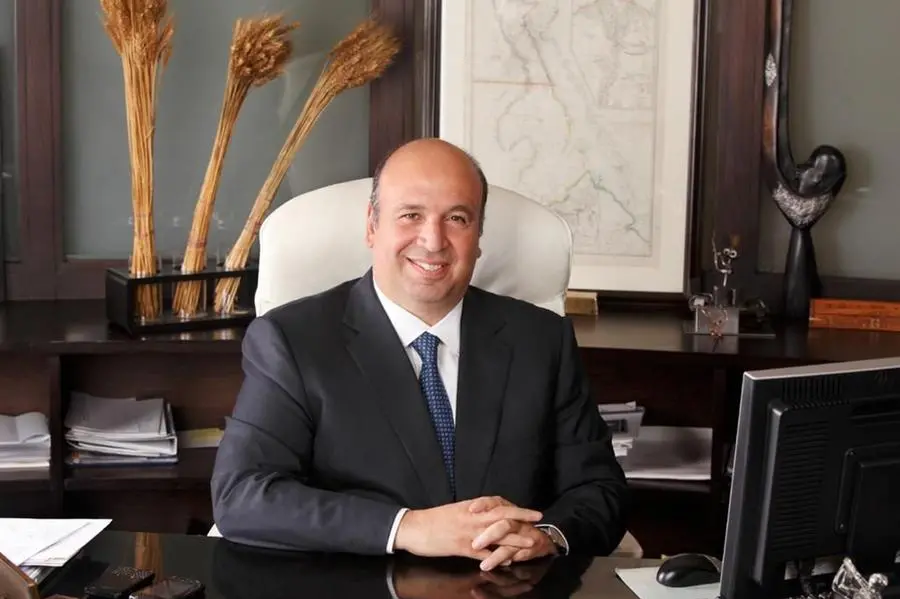
In the opening session, Mahmoud Abu Zeid, Egypt's former minister of water resources and irrigation and chairman of the Arab Water Council, said providing water to a growing population is the biggest challenge facing the Arab world today.
"There is a great shortage of water supply in the Arab region," he said, adding that the agricultural sector alone consumes over 89 percent of water, while domestic and industrial consumption account for the rest.
He urged governments in the Arab world to remedy the situation before it becomes further aggravated and called for an expansion in the scope of investments in water and power projects for future generations.
According to Abu Zeid, Saudi Arabia alone produces about 30 percent of the world's desalinated water. He added that 83 million people in the Arab region are in need of clean water supplies (27 percent of the population), while 90 million people need sanitation facilities (30 percent of the population).
Hussain Sindi, project manager at Alaghar Group, said the group's study shows that the present situation of water and power is more complicated than previously thought. "The study stresses the importance of reviewing the current tariffs for water and power, as dealing with water as being the cheapest commodity cannot be continued in view of the gap between the government's strategy and consumers' vision," he added.
He stressed that there are weak incentives to stimulate the private sector to create new technologies for water desalination and electricity production.
Sindi added that the study recommended the establishment of an investment fund with government participation to acquire technologies and international intellectual rights in the area of renewable power and water. "There is need for an independent water information center to report about water status in Saudi Arabia, as well as to reconsider food security policies and agriculture subsidies to match our water requirements," he said.
Electricity and Co-Generation Regulatory Authority Gov. Abdullah Al-Shihri said the authority had conducted numerous studies to identify shortcomings in electricity projects, improve the existing network, and form a special committee to deal with disputes between investors and stakeholders.
Mohamed Asaud, undersecretary for water affairs at the Ministry of Water and Electricity, called for a national water law and a restructuring of the water and power sector to preserve local water resources.
The annual forum plays a key role in uniting Saudi and international stakeholders to discuss the policies and strategies that will determine the future of power and water in Saudi Arabia, as well as focusing on how to adapt to the changing market and achieve sustainable prosperity through knowledge, innovation and cooperation, said a team of SWPF organizers at a news conference.
"SWPF is the largest gathering of water and power industry in Saudi Arabia. It brings together local and international bodies to acquire international knowledge, contacts and partnerships required for business development in one of the largest markets for power and water in the world," said Adil Bushnak, chairman of Bushnak Group and Bushnak Academy, which is organizing the event with CWC.
Among SWPF's keynote speakers are Minister of Water and Electricity Abdullah Al-Hussayen, King Abdulaziz City for Science and Technology Vice President Prince Turki bin Saud bin Mohammad Al-Saud, King Abdullah City for Atomic and Renewable Energy President Hashim Yamani, Saline Water Conversion Corporation Gov. Fahid Al-Sharif, National Water Company CEO Loay Al-Musallam, President and CEO of GE Power and Water Steve Bolze and President and CEO of ACWA Power International Paddy Padmanathan.
By K.S. RAMKUMAR
© Arab News 2010