Thursday, Jan 14, 2010
Gulf News
A railway network linking the six countries of the Gulf Cooperation Council is likely to be launched by 2017.
It's a move that is expected to start a rail "revolution" in the desert sands, allowing easier movement among the member states of the Gulf Cooperation Council (GCC), boosting inter-trade and further cementing their 29-year-old alliance.
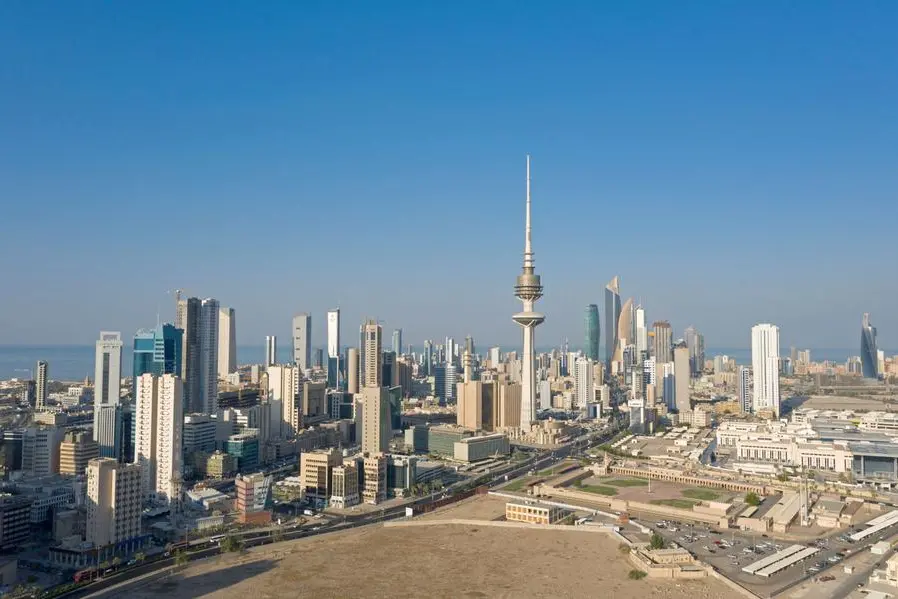
The multi-billion dollar project has already received the endorsement and blessings of the heads of GCC states in their latest summit in Kuwait last December, paving the way to implementing what is seen as a vital project in the region. The GCC states are Saudi Arabia, UAE, Kuwait, Bahrain, Qatar and Oman.
"They (GCC leaders) are very enthusiastic about it," said Ebrahim Al Sabti in an interview with Gulf News. Al Sabti is head of the transportation division at the GCC secretariat in Riyadh.
"The endorsement of the project by the GCC leaders came after conducting feasibility studies," Dr. Ramez Al Assar, senior World Bank adviser to the secretary-general of the GCC, said. "That was the first phase and this is very important."
The beginning of the implementation phase includes conducting the engineering studies and the establishment of a "Gulf Railway Authority" to supervise the project. Conducting the engineering studies could take up to two years.
Design bid
While some in the Gulf expect the design contract to be given to a single entity which could to be announced by the end of the year, other sources say some ideas may not be accurate.
"The winner of the bid could be one consortium or more than one party," Al Assar said, adding that the number of winners will depend on whether the project will be divided into several parts or not.
Meanwhile, until the railway authority is formed — which is expected to be approved in the next summit scheduled to be held in Abu Dhabi in late 2010 — the current committee will continue carrying out its duties, GCC officials said.
The current committee includes senior officials from the ministries of finance, economy and transportation in the member states, as well as advisers from different institutions, including the World Bank.
Actual construction of the project will start after the completion of the engineering studies and after receiving the go-ahead from the heads of GCC states.
Eache country is expected to cover the cost of the part of the railway that passes through its territory. The link will start in Kuwait and pass through each GCC state on its way to Oman. The cost of the nearly 2,200 km project ranges, according to feasibility studies, is between $15 billion (Dh55.09 billion) and $25 billion, noted GCC sources. The difference is due to the type of train to be used.
"It will be a railway with dual usage," Al Assar said, explaining that it will cater to both passenger and freight traffic.
While the passenger train, expected to be electro-mechanical, will have a 200km/h speed, freight trains will have a speed of 80km/h to 120 km/h.
"But both trains will use the same infrastructure — the same track," Al Assar explained.
Apart from the cost and speed limits, experts say that the biggest challenges for the GCC countries will the issues of operational maintenance, custom fees and immigration. No decisions have been made on those issues.
However, once those are resolved, the railway will likely be able to offer a cheaper transportation network for transportation of goods and later for passengers compared to those currently available. Other foreseeable benefits include boosting trade among the six states, increased safety on the roads, lower maintenance costs for roads and highways, and lower pollution levels.
Currently, the GCC relies on trucks, ships and planes for transportation which are often more expensive than transportation by rail.
Coincides
The railway project also coincides with plans to invest nearly $109 billion in internal rail projects and almost $11 billion on road expansion projects over the next decade, part of a plan to combat traffic congestion.
History
technical issues
2017
is the year the railway connecting all the Gulf Cooperation Council states is likely to be launched.
2,200
km is the expected length of the railway which will start in Kuwait and pass through Saudi Arabia, Bahrain, Qatar, UAE and Oman.
3.48m
tonnes of cargo the Saudi rail network, connecting Dammam with Riyadh, carried in 2008.
Gulf News 2010. All rights reserved.