As Morocco's textile industry adapts to new market conditions, recently published figures on the sector's export performance display a significant recovery, although serious challenges remain.
Preliminary figures from the Office des Changes showed an encouraging boost to Morocco's textile exports in the first half of 2006. Clothing exports were up 15.2% over the same period in 2005 to Dh9.8bn ($1.11bn), while hosiery exports were up 12% to Dh3.6bn ($408m).
Analysts were quick to point out that these results were measured against a period that suffered a sharp decline due to the end of the Multi-Fibre Agreement (MFA) in January 2005, as China increased its exports to the EU, the kingdom's main export market.
Although Morocco lost its top-six exporter position in the EU clothing market to Tunisia in 2005, preliminary first-quarter 2006 results pointed to a 7.6% increase in clothing production. This is further strengthened by the encouraging export results for the first half of the year.
Many Moroccan producers are aware of the difficulties in competing with China on low prices and large volumes. As a result, many are shifting from low value-added product lines and adding technology so they can process an order and fly the finished clothing to European buyers in a matter of days.
With rivalry on the EU market increasingly based on differentiation, European brands need to have suppliers located close by. Prices are expected to rise in the textile centres of Romania and Bulgaria as these countries join the EU. Morocco will compete with Tunisia and Turkey, and has the potential to secure a significant share of the market.
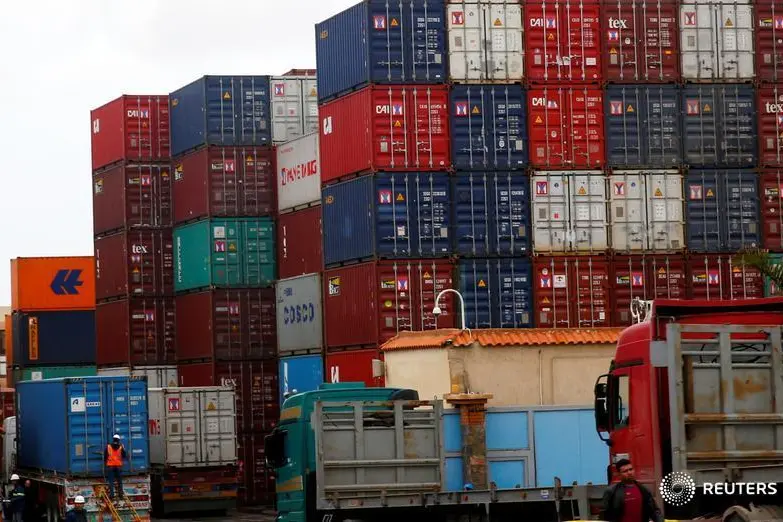
With Morocco's Free Trade Agreement (FTA) with the US in force since January 2006, the new Tanger Med port, which is expected to come on stream in the second half of 2007, should allow Morocco to tackle the US market in the same way, as goods will reach the east coast of the US in roughly a week, thanks to improved connections.
Large foreign firms are already investing to seize these opportunities, such as the US-based undergarment company Fruit of the Loom, which is setting up a $160m spinning and weaving operation. Meanwhile, Italy's Legler is investing $88m in a denim factory, while Settavex, a subsidiary of Spain's Tavex group, is extending its industrial unit at a cost of $75m.
However, analysts warn that Morocco needs to keep pushing ahead with innovation and product development to strengthen its position on the EU market, while starting to carve a lucrative niche in the US market.
A new USAID-sponsored programme, launched in June 2006, is meant to help achieve that. New Business Opportunities (NBO) is a four-year, $9m programme intended to assist Moroccan firms in priority sectors build their capacity to develop and maintain long-term commercial partnerships with US companies, working mainly in textiles and leather. Moroccan textile producers are keen to make strides in the lucrative US market, as evidenced by their presence at the Men's Apparel Guild in California (MAGIC) show in February 2006 in Las Vegas through Morocco's textile and clothing association AMITH.
In mid-2006, the government also launched a $2.2m fund aimed at capacity building in marketing and promotion, investment and partnership promotion, and materials sourcing.
Overall, the sector seems to be on the right track to achieve a market-oriented restructuring. Part of the transition will see firms, unable to adapt to the new deal, disappear, resulting in delays in output and employee layoffs. However, in the long term, Morocco's textile sector will be more competitive and profitable.
© Oxford Business Group 2006