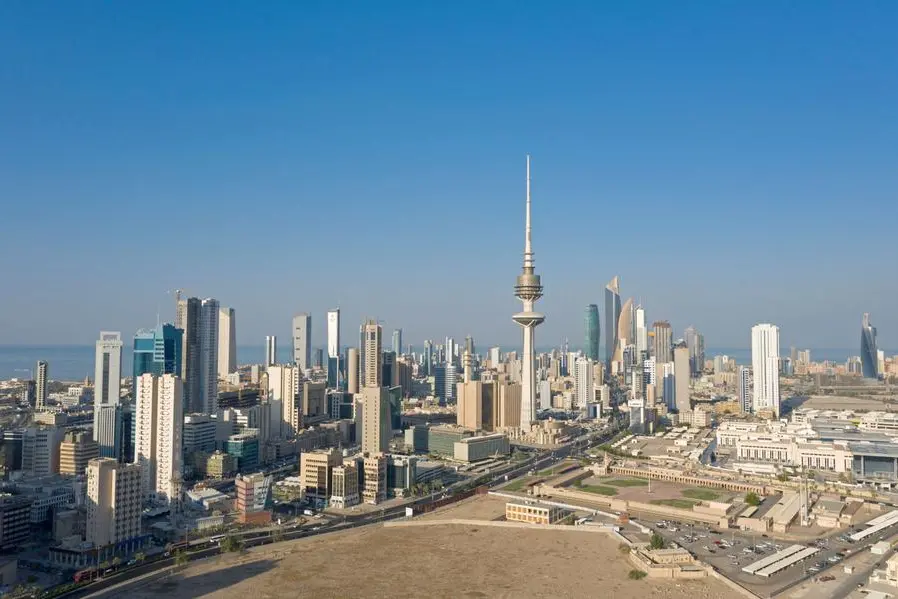
Kuwait's government recently announced the launch of a probe into the spiralling cost of real estate.
Speaking with local press, Trade and Industry Minister Falah Fahd Al Hajeri said the government had been taken aback by the rise in costs and that a committee would be formed to investigate the reasons behind it. According to Al Hajeri, housing prices should be at levels appropriate for a citizen's income.
Simon Williams, a senior regional economist from HSBC, said accelerating housing costs are "a cause for concern and underscore the pressure that rapid economic growth continues to put on prices".
The rise in property prices goes against the trend of decreasing consumer inflation, which has dropped from over 5% to around 4.3%. Earlier this year, the Central Bank of Kuwait revalued the Kuwaiti dinar, shifting from a dollar peg to a weighted basket of currencies, curbing some of the inflationary pressures brought about by the high demand for imported products.
However, the overall drop in consumer inflation has masked a rise in housing inflation, which has seen a dramatic increase over the past few months, boosted in large part by high local demand and limited property availability. Figures from National Bank of Kuwait show that average prices of residential properties increased by 15%, while commercial property leapt an astounding 171% in July over the previous month. July's average price per unit of nearly $1.7m was the highest ever recorded in Kuwait; the total value of sales for the real estate sector over the same period jumped by 87% to over $1.6bn, up from $860m in June.
According to Caroline Grady, an economist at Deutsche Bank, "There is an element of imported inflation, but with domestic costs also increasing, currency reform doesn't really fix that."
The drop in imported inflation does not impact the cost of land. The lack of available land in Kuwait has been a significant factor in driving up domestic costs in the real estate sector. The government owns the vast majority of the land in Kuwait, with estimates ranging as high as 95%. As a result, the scarcity of supply has sent costs skyrocketing. According to figures furnished to OBG from Alargan, a Kuwait-based regional property developer, land in Kuwait now accounts for up to 50% of the cost of a finished residential project, far higher than the usual 15%.
Nonetheless, while the revaluation by the Central Bank may not have had an immediate effect on housing inflation, the long-term effects of its counter-inflationary moves bode well for the real estate and construction industries. As the dinar begins to fluctuate more freely against other foreign currencies, costs for imported construction materials will begin to ease and with over $40bn worth of major projects in the pipeline, this palliative is desperately needed. Pushed by high regional demand, prices of supplies such as cement and steel have shot up dramatically. In conversations with OBG, industry insiders have estimated that the rise in material prices over the past two years has pushed total construction costs up by an estimated 50%. The government has since temporarily raised subsidies for certain building materials, spending an estimated $36m on construction subsidies in 2006.
While the high costs of property and supplies are a worrisome development for local real estate investors, they are symptomatic of a sector that is exhibiting impressive growth. Fuelled by high levels of liquidity, local developers have poured money into over 270 new towers and projects in Kuwait City's urban centre. According to a report by Global Investment House, a Kuwait-based investment company, while property in Kuwait only really began to take off after 2001, it has since grown at an impressive rate. The contribution of the real estate sector to the GDP has increased by 7.2%, and since 2001, it has grown at a compound annual growth rate of 14.2%. Financing for property investments has also increased, comprising 22% of the total credit extended by banks during 2006.
© Oxford Business Group 2007