01 May 2012
A recent report of the Development Research Center of Economic and Social studies revealed that the current inflation rate could lead to catastrophic economic and social repercussions in Yemen, sending thousands of yet more families below the poverty line and hence triggering a series of knock down effects throughout Yemen.
Economists warned that inflation will automatically lead to a rise in living expenses with rent and amenities going up as well as exacerbates the unemployment crisis.
"Already on the brink of collapse, Yemen cannot take much more battering. On between a dizzying national deficit, a tittering currency and its Oil production brought to a standstill by sabotage, the poorest country of the Arabic peninsula is about to enter a meltdown overdrive of serious cash is not injecting into the system," said the Middle East Economic Association (MEEA) to the Yemen Observer.
According to the report, the local market witnessed a sharp rise in prices in 2011 as the prices of petroleum products rose by nearly 400%, leading to an increase on basic food staples of 80%.
Moreover, the inflation rate which back in December 2011 was recorded at 23.71% compared to 13% in December 2010 and 24.09% for 2012.
"Trending such high inflation level is extremely dangerous for Yemen at this juncture and the coalition government needs to set in place a series of measure which will bring back inflation to acceptable levels," said the MEEA.
Yemen Central Bank reported in February an increase on almost all sectors with the rate of inflation standing at 20.64% for food, 13.15% for housing and clothing, 18.58% for health, 14.5% for communication, 11.58% for education, 52.6% for transport and 10% for entertainment.
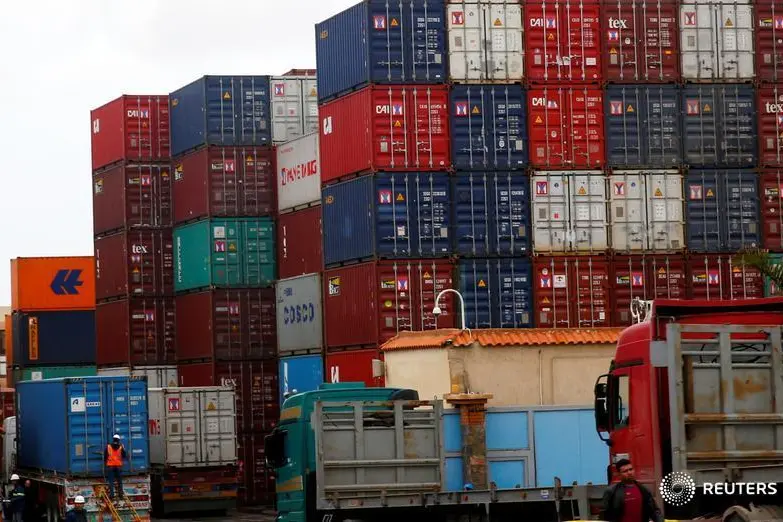
A year of unrest also had ill effects on Yemen's imports as the prices of commodities rose exponentially for unrest and security became a serious issue for all wholesalers and importers with insurance premiums skyrocketing.
Prices of grains and derivatives rose over 50% in June 2011 compared to the previous year.
Traders mainly explained high food prices to the negative exchange rate of the dollar against the Yemeni rial.
Economists at the MEEA told the Yemen Observer that the coalition government should now concentrate its efforts towards reigning down on commodity prices and food staples by setting in place strict price controls while increasing public spending as to jump start the economy.
A recent report of the Development Research Center of Economic and Social studies revealed that the current inflation rate could lead to catastrophic economic and social repercussions in Yemen, sending thousands of yet more families below the poverty line and hence triggering a series of knock down effects throughout Yemen.
Economists warned that inflation will automatically lead to a rise in living expenses with rent and amenities going up as well as exacerbates the unemployment crisis.
"Already on the brink of collapse, Yemen cannot take much more battering. On between a dizzying national deficit, a tittering currency and its Oil production brought to a standstill by sabotage, the poorest country of the Arabic peninsula is about to enter a meltdown overdrive of serious cash is not injecting into the system," said the Middle East Economic Association (MEEA) to the Yemen Observer.
According to the report, the local market witnessed a sharp rise in prices in 2011 as the prices of petroleum products rose by nearly 400%, leading to an increase on basic food staples of 80%.
Moreover, the inflation rate which back in December 2011 was recorded at 23.71% compared to 13% in December 2010 and 24.09% for 2012.
"Trending such high inflation level is extremely dangerous for Yemen at this juncture and the coalition government needs to set in place a series of measure which will bring back inflation to acceptable levels," said the MEEA.
Yemen Central Bank reported in February an increase on almost all sectors with the rate of inflation standing at 20.64% for food, 13.15% for housing and clothing, 18.58% for health, 14.5% for communication, 11.58% for education, 52.6% for transport and 10% for entertainment.
A year of unrest also had ill effects on Yemen's imports as the prices of commodities rose exponentially for unrest and security became a serious issue for all wholesalers and importers with insurance premiums skyrocketing.
Prices of grains and derivatives rose over 50% in June 2011 compared to the previous year.
Traders mainly explained high food prices to the negative exchange rate of the dollar against the Yemeni rial.
Economists at the MEEA told the Yemen Observer that the coalition government should now concentrate its efforts towards reigning down on commodity prices and food staples by setting in place strict price controls while increasing public spending as to jump start the economy.
© Yemen Observer 2012