26 July 2008
JEDDAH - Flotations in the Middle East raised $4.72 billion (€3 billion) in the second quarter, 72 percent of which was contributed by deals in Saudi Arabia.
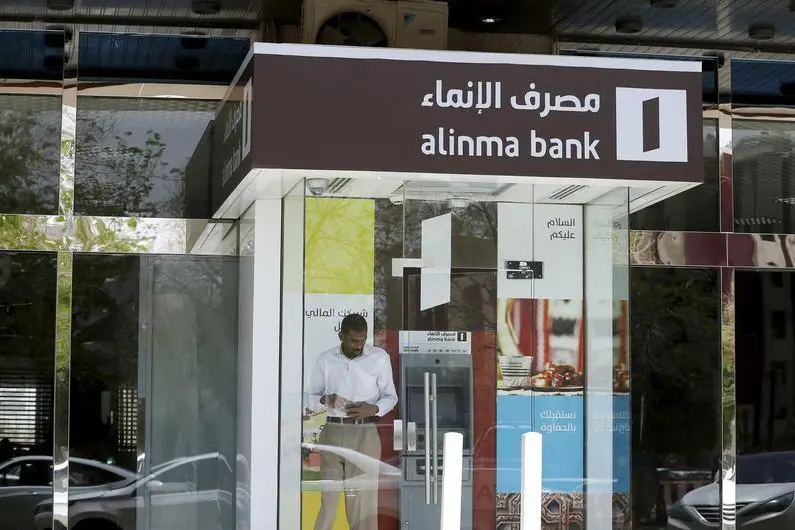
The $2.8 billion float by Saudi's Alinma Bank represented 60 percent of the capital raised through new issues in the region in the second quarter.
Saudi Arabia was one of only four countries that accounted for half of the $37.4 billion through initial public offerings globally between April and June, according to data from Ernst and Young. The other three countries were China, which raised $6.2 billion, Brazil with $4.6 billion and the US in third place with $4.3 billion.
The capital raised by Middle Eastern companies in the second quarter was 20 percent higher in the first three months of this year.
Azhar Zafar, head of mergers and acquisitions at Ernst & Young Middle East, said: "The trend in the market is fewer but larger initial public offerings. IPOs continue to be oversubscribed in most instances, which reflects the continued appetite for them in the market, for now."
Credit Suisse, UBS, Citigroup and Deutsche Bank have all said recently that they are building equity research, sales and trading teams on the ground in the region due to growing investor interest in the region.
Large floats in the region included Saudi construction company Mohammad Al-Mojil Group, which raised $560 million, and was managed by HSBC.
Saudi Arabia's Rabigh Refining and Petrochemical Company and Mobile Telecommunications Company Saudi Arabia combined accounted for 75 percent of the capital raised in the first quarter of 2008.
Dubai-based interiors company DEPA also raised $432 million in April and was followed by two Egyptian companies: real estate company Palm Hills Developments and Maridive and Oil Services, which raised $421 million combined.
Phil Gandier, head of transaction advisory services for Ernst & Young Middle East, said: "Companies that have either withdrawn or postponed their IPOs would revisit going public once they realize that market conditions in the Middle East region are less fraught with the uncertainty that is persisting in other regions."
Gandier said expectations for the rest of the year remain optimistic due to the large number of announced and to-be-announced IPOs. Companies that have either withdrawn or postponed their IPOs would revisit going public once they realize that market conditions in the Middle East region are less fraught with the uncertainty that is persisting in other regions.
Globally, the size of IPOs taken for two quarters on aggregate was roughly half as much as the 2007 while more IPOs have been postponed or withdrawn in the first six months of 2008 (177) than in all of 2007 (169).
In the second quarter of 2008, a total of 258 IPOs worldwide raised $37.4 billion in capital. This compares with 247 IPOs worth $41.2 billion in the previous quarter. However, compared with the same quarter in 2007, total capital raised fell by 59 percent (from $90.4 billion to $37.4 billion) and the number of deals more than halved (from 567 to 258). The BRIC states (Brazil, India, China and Russia) accounted for 76 deals worth $11.8 billion in the second quarter.
Emerging markets continued to drive activity in the second quarter with China leading the way in both value ($6.2 billion) and volume (56 IPOs). Seven of the top 10 and 15 of the top 20 IPOs by capital raised were from emerging markets.
Four countries accounted for half of the capital raised globally: China ($6.2 billion); Brazil ($4.6 billion); United States ($4.3 billion); and Saudi Arabia ($3.4 billion). The most active countries in terms of number of deals were China (56); Poland (21); and Australia, South Korea and India (17).
There have been 177 postponed or withdrawn flotations globally in the first six months of 2008, more than in whole of 2007, when 169 deals were pulled.
JEDDAH - Flotations in the Middle East raised $4.72 billion (€3 billion) in the second quarter, 72 percent of which was contributed by deals in Saudi Arabia.
The $2.8 billion float by Saudi's Alinma Bank represented 60 percent of the capital raised through new issues in the region in the second quarter.
Saudi Arabia was one of only four countries that accounted for half of the $37.4 billion through initial public offerings globally between April and June, according to data from Ernst and Young. The other three countries were China, which raised $6.2 billion, Brazil with $4.6 billion and the US in third place with $4.3 billion.
The capital raised by Middle Eastern companies in the second quarter was 20 percent higher in the first three months of this year.
Azhar Zafar, head of mergers and acquisitions at Ernst & Young Middle East, said: "The trend in the market is fewer but larger initial public offerings. IPOs continue to be oversubscribed in most instances, which reflects the continued appetite for them in the market, for now."
Credit Suisse, UBS, Citigroup and Deutsche Bank have all said recently that they are building equity research, sales and trading teams on the ground in the region due to growing investor interest in the region.
Large floats in the region included Saudi construction company Mohammad Al-Mojil Group, which raised $560 million, and was managed by HSBC.
Saudi Arabia's Rabigh Refining and Petrochemical Company and Mobile Telecommunications Company Saudi Arabia combined accounted for 75 percent of the capital raised in the first quarter of 2008.
Dubai-based interiors company DEPA also raised $432 million in April and was followed by two Egyptian companies: real estate company Palm Hills Developments and Maridive and Oil Services, which raised $421 million combined.
Phil Gandier, head of transaction advisory services for Ernst & Young Middle East, said: "Companies that have either withdrawn or postponed their IPOs would revisit going public once they realize that market conditions in the Middle East region are less fraught with the uncertainty that is persisting in other regions."
Gandier said expectations for the rest of the year remain optimistic due to the large number of announced and to-be-announced IPOs. Companies that have either withdrawn or postponed their IPOs would revisit going public once they realize that market conditions in the Middle East region are less fraught with the uncertainty that is persisting in other regions.
Globally, the size of IPOs taken for two quarters on aggregate was roughly half as much as the 2007 while more IPOs have been postponed or withdrawn in the first six months of 2008 (177) than in all of 2007 (169).
In the second quarter of 2008, a total of 258 IPOs worldwide raised $37.4 billion in capital. This compares with 247 IPOs worth $41.2 billion in the previous quarter. However, compared with the same quarter in 2007, total capital raised fell by 59 percent (from $90.4 billion to $37.4 billion) and the number of deals more than halved (from 567 to 258). The BRIC states (Brazil, India, China and Russia) accounted for 76 deals worth $11.8 billion in the second quarter.
Emerging markets continued to drive activity in the second quarter with China leading the way in both value ($6.2 billion) and volume (56 IPOs). Seven of the top 10 and 15 of the top 20 IPOs by capital raised were from emerging markets.
Four countries accounted for half of the capital raised globally: China ($6.2 billion); Brazil ($4.6 billion); United States ($4.3 billion); and Saudi Arabia ($3.4 billion). The most active countries in terms of number of deals were China (56); Poland (21); and Australia, South Korea and India (17).
There have been 177 postponed or withdrawn flotations globally in the first six months of 2008, more than in whole of 2007, when 169 deals were pulled.
By Saudi Gazette Staff
© The Saudi Gazette 2008