24 March 2007
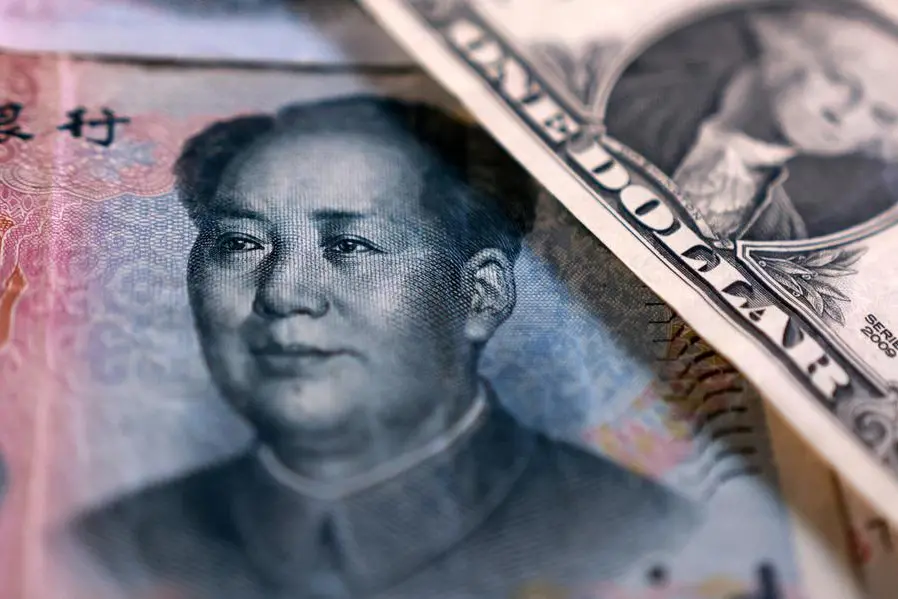
BEIRUT: Central Bank governor Riad Salameh underlined the important role played by Lebanese expatriates when he said on Friday that annual remittances in 2006 alone reached $5.6 billion, or 25.8 percent of GDP. The figures were released by the World Bank in its last report on Lebanon.
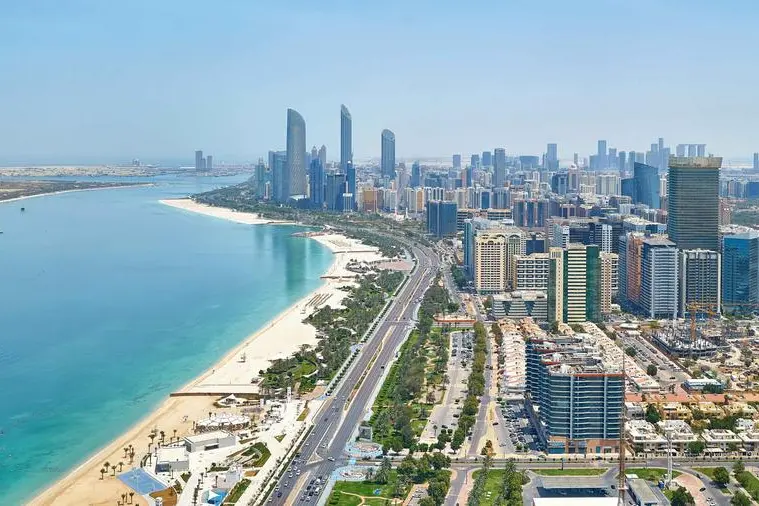
Forty-five percent of the remittances come from the Gulf, where more than 400,000 Lebanese work, Salameh said.
The heavy cash inflow from millions of Lebanese in the oil-rich Arab gulf, Africa, Europe and the United States have helped hundreds of thousands of families at home to weather one of the worst economic hardships to hit the country in decades.
It is estimated that nine million Lebanese live abroad, with the bulk of them are based in South America.
But officials say that most of the first- and second-generation Lebanese in South America hardly send any money to Lebanon because they have lost contacts with their relatives.
"Most of these remittances are sent to Lebanese families to buy food, clothing, houses, and medical examinations and also to educate their children in schools and universities," Salameh said.
He added that Lebanon is ranked among the top countries in the world in terms of remittances compared to the GDP ratio.
Citing a report by the World Bank, Salameh said that the foreign workforce in Lebanon had sent $4.2 billion to their families in 2004, representing 19.5 percent of GDP.
There are no official figures on the number of foreigners working in Lebanon, although some estimates put the number of Syrians, Egyptians, Indians and Asians residing in the country at over a million.
Joe Sarrouh, advisor to the chairman of Fransabank, told The Daily Star on Friday that foreigners usually transfer money to their families back home through a bank or a money transfer company.
"All money transfers are monitored by the authorities to ensure there is no money laundering activity," Sarrouh said.
He said that Syrian workers, the largest single foreign workforce, do not transfer funds through banks or money transfer companies.
"Most Syrian workers usually travel to Syria and hand over the money to their relatives," he said. "That's why it is difficult to calculate the size of the money the Syrians send back home."
Sarrouh said that the annual cash flow from Lebanese expatriates improves the balance of payments and stimulates the economy. "The Lebanese expatriates are one of Lebanon's biggest assets," he said.
He added that Lebanese expatriates are now using their money to buy houses and land.
"In the past Lebanese expatriates used to send between $200 to $300 a month to their families. Now they prefer to make investments in their own country in case they decide to come back."
Sarrouh said that remittances have always been and always will be the biggest support for the local economy.
Many local banks are offering special housing loans to Lebanese expatriates, especially those who live in the Gulf.
A banker said that most of the Lebanese expatriates in the Arab Gulf region eventually return to Lebanon.