After a fairly tumultuous period for commodities, metal prices are steadily rising again, which could bode well for mergers and acquisitions activities in Africa.
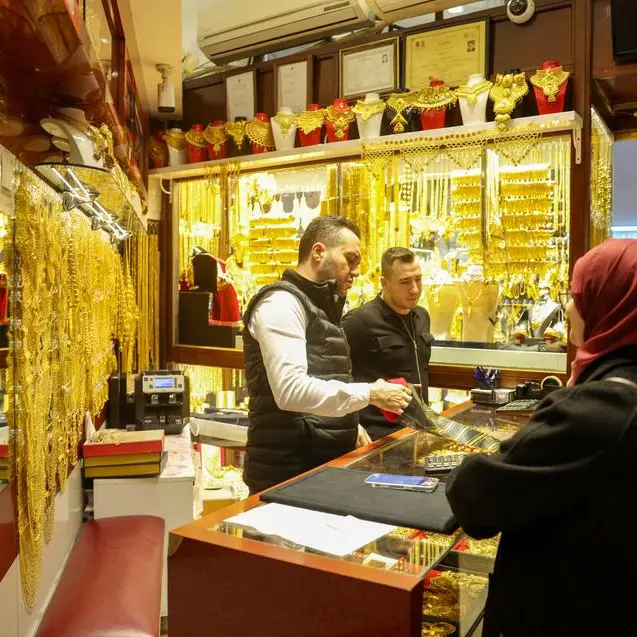
Precious metals are enjoying a rally with gold, platinum, palladium and silver all in positive territory. Gold has risen 9.4% this year, as global uncertainty has brought the yellow metal back in favour.
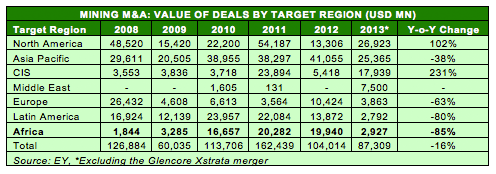
Gold-related M&A deals made up 12% of all mining deals last year - the highest among all metals.
"Geopolitics and macro risk have been an increasingly supportive influence on gold investor sentiment and thus prices over the last two weeks," said Aakash Doshi, analyst at Citibank Group.
The stabilisation of some of the commodity and the depressed share prices of most mining companies could open the doors to merger and acquisitions activity in Africa, according to Ernst & Young.
"The extreme price volatility and rapid changes to the global economy in 2012 and into 2013, combined with large impairments and senior management changes across the sector, meant the risks in doing deals in 2013 were just too great given the moving base on which decisions needed to be made," said EY Global Mining & Metals Transactions Leader Lee Downham.
TEPID ACTIVITY
M&A activity is crucial for the development of the continent as it brings in foreign direct investment, often sees an injection of capital from new sources, thereby increasing the investment pool, and helps keep the mining sector active.
However, last year was not great for the mining sector in the continent. Slower growth in key emerging economies, fears of rising interest rates in the United States and massive write-down of assets by some of the world's biggest mining companies saw negative mining sector growth for many countries in Africa.The mood was captured in the tepid M&A activity in the region.
Africa-focused mining deals made up 3% of global deal value, a decline of 16% in deal value and 2% in deal volume year-on-year, accounting to EY. Of the USD 3.2 billion worth of transactions completed in the continent, exactly half were in South Africa despite its massive labour problems in the mining sector.
But as the global economy shows signs of improvement, and many African states forecast promising growth in the year, financial investors may be tempted to return to the sector.
"Especially in Africa we have seen increased financial investor interest in the sector, thus we are likely to see a big focus on juniors by financial investors looking to build up sizeable resources platforms for exit to the strategic majors in five to seven years' time when the market turns and the majors embark on acquisitive expansion," said Sandile Hlophe, Head of Transaction Advisory Services for EY Africa.
BASE VS PRECIOUS
Gold prices have fallen steadily since they peaked at USD 1,900 per ounce in 2011, but after falling below USD 1,200, they appear to be slowly clawing their way back.
Gold touched USD 1,392 per ounce -- its highest level since September last year -- as the West-Russia conflict escalated after Moscow annexed the Ukrainian region of Crimea. Prices have since come down to USD 1,318.5 per ounce, but the rally may not be over yet.
"Underlying geopolitical risk remains a supportive physical gold market, where turnover on the Shanghai gold exchange has picked up steam from the early month lows, suggesting still robust retail investor and jewellery demand for the precious metal. Additionally, last week saw the largest net physical inflow into gold ETFs since November 2012 of around 12.35 tonnes," the Citi analyst said.
Still not every body is convinced that gold will be able to hold on to its gains.
Gold has regained favour following the emerging market currency sell-off in January and more recently the Crimean crisis, "but its negative reaction following Yellen's FOMC announcement implying an earlier than expected rate rise serves as a timely reminder of its vulnerability to a strengthening US dollar," said Deutsche Bank.
U.S. Federal Reserve governor Janet Yellen recently told markets that the federal open market committee (FOMC) may raise interest rates, which perked up the dollar, which is traditionally inversely-related to the price of gold.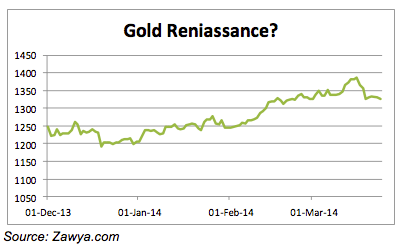
Not all metals are enjoying a renaissance.
Base metals have been under pressure of late due to concerns over the Chinese economy, suggesting that investors are differentiating between various metals.
Copper prices have declined nearly 12% since the start of the year, while zinc and lead prices have fallen by 4% and nearly 7%. But nickel prices have gained around 17%, while tin prices are nearly 4% higher.
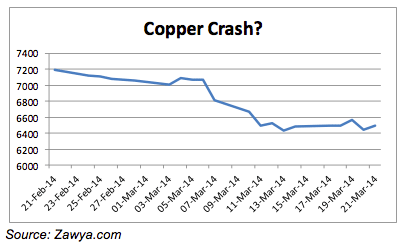
"As copper and iron ore prices went into apparent freefall last week, one might have expected a general sell-off in metals markets," said Caroline Bain Senior Commodities Economist, at Capital Economics.
"However, the response of other metals prices was more nuanced, with some actually gaining. This lends supports to our view that commodity prices will become more differentiated over the next year or so."
The feature was produced by alifarabia.com exclusively for zawya.com.
© zawya.com
© Zawya 2014