The Middle East tourism industry's progress was cut short by the Arab Spring crisis and it's still reeling from the after shocks that reverberate in countries across the region.
The latest United Nations World Tourism Organization (UNWTO) report shows the Middle East's hospitality sector was down by 1% in the first seven months of the year, the only region in the world to post a decline.
"All world regions recorded growth in international arrivals except the Middle East," UNWTO said in a report. "Growth was stronger in Asia and the Pacific (+7%) and Africa (+6%), followed by the Americas (+4%) and Europe (+3%).
The Middle East continues to show signs of recovery, with particularly promising results in Egypt.
The Middle East's underperformance is worrying and is in sharp contrast to the 4% improvement in international tourists registered globally.
However, the region's incoming arrivals fell a whopping 7% last year, so the 1% decline in the first seven months of the year can be considered an improvement.
Egypt, which had seen tourism revenues decline by a third last year, saw a major improvement in the first seven months of the year, suggesting the industry is making a robust recovery, although tourists are still wary of political upheavals in the country.
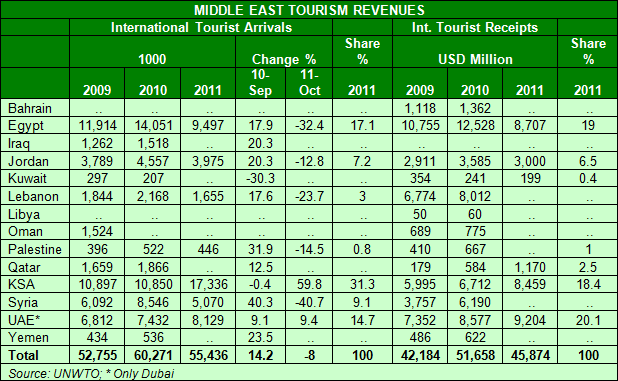
But other popular tourism hotpots in the region such as Jordan and Lebanon fared poorly last year, according to UNWTO data.
Although both countries had limited domestic unrest last year, they were shaken by the troubles in the neighbourhood, especially Syria, apart from Israeli threats to attack Iran which scared tourists.
Jordan saw a near-13% decline in tourist arrivals, while Lebanon saw its international visitors numbers shrink 24% as tourists fretted over regional instability.
But there were quite a few bright spots.
Saudi Arabia emerged as a tourism magnet, with 60% more arrivals in 2011 compared to 2010.
Meanwhile, Dubai saw an impressive 9.4% rise in tourist arrivals as it welcomed more than eight million visitors last year.
Overall, it wasn't a great year for the region, with tourism revenues down to USD46-billion last year, compared to USD51-billion the year before.
The first seven months of 2012 have been promising, though a full recovery is unlikely, especially as political uncertainties continue to haunt most countries.
"Egypt is experiencing a major rebound (+20%) after last year's 32% decline, while the United Arab Emirates, Oman and Jordan all recorded approximately 10% growth," said UNWTO.
"Lebanon (-15%) is still suffering the conflict in neighbouring Syria, while Saudi Arabia reported a 21% decline in tourist arrivals following last year's bumper increase."
GLOBAL OUTLOOK COULD HURT REGIONAL RECOVERY
Even as the regional tourism industry recovers, it could be waylaid by global issues. Fiscal problems in the Eurozone and the United States could delay recovery, while domestic issues in some regional countries could flare up and engulf other regional countries.
It is already impacting global growth. While worldwide tourism industry saw 28 million more visitors in the first seven months of the year, compared to last year, it expects moderating growth in the immediate future.
"Tourism growth slowed in June (+3) and July (1%) compared with the first five months of the year (average of +5%).....According to the latest survey of the UNWTO Panel of Experts, prospects for international tourism expansion are weakening, but remain positive," said UNWTO.
"Tourism performance in the period May-August 20102 was evaluated as to have been weaker than expected fourth months ago.... The outlook for the September-December period reflects confidence fading further."
PROMISING REGIONAL TRENDS
Regardless, some key figures and trends suggest optimism in the wider regional industry:
* Saudi Arabia earned USD16.5 billion from pilgrim tourism this year, a 10% increase over last year. More than 12 million people have visited the country for Haj and Umra this year.
The government is hoping to increase tourism by 25% each year till 2016 and create 1.1 million direct jobs for Saudi citizens.
* UAE is issuing multiple visas to businessmen and professionals and also amended visa laws for real estate investors.
* Dubai International Airport and Abu Dhabi International Airport posted double-digit growths in most months of the year. Dubai Airports clocked in 42.56 million tourists in the first nine months of the year, a 13.4% increase over the previous year.
* Dubai's occupancy rates have risen from 52.6% in August 2011 to around 82% for the first seven months of the year, while average room rates stayed about USD250 for much of the year before falling during the slow summer months.
* Sharm El-Shaikh saw a 19.5% occupancy increase year to date and this is a positive for tourism growth in Egypt in the coming months and years, notes Ernst & Young.
Egyptian tourism minister Hisham Zaazou told Reuters that he is targeting a 20% growth in tourist numbers in the ear.
"What I'm targeting is 11.5 million to 12 million tourists by the end of December. For sure over 11 million," Mr. Zaazou told Reuters.
* Another notable increase was seen in Jeddah which registered an 18.6% annual change in hotel occupancy, reflecting the growth of tourism during Ramadan and Umrah travel, E&Y research shows.
LOOKING TO THE FUTURE: 101 MILLION BY 2020
While the region struggles with short-term challenges and uncertainties, the UNWTO believes that the Middle East will increase its share of global market to nearly 8.2% by 2030 from 6.5% in 2010.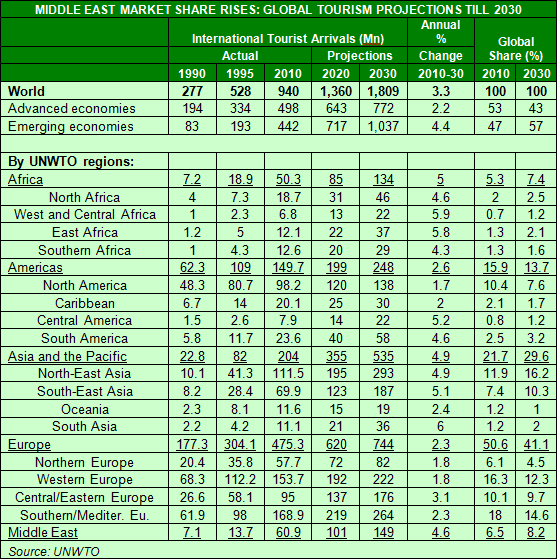
Meanwhile, tourist arrivals will rise from 60.9 million in 2010 to 101 million by 2020 and nearly 150 million by 2030.
Expect the Gulf markets to lead that growth, although Egypt will clearly play a key role once its political turmoil subsides in the next few years.
The GCC hospitality market is set to grow at an annual rate 8.1% to reach USD28.3-billion through to 2016, compared to USD19.2-billion in 2011, according to Alpen Capital research.
"As business and leisure tourism continues to grow and the up-scale hotel segment account for most of the demand for hotels, ADR is likely to average around USD212-USD247 between 2012 and 2016," wrote Alpen Capital in an in-depth report on the industry.
"Saudi Arabia is expected to remain the largest GCC market in terms of revenues, followed by the UAE. Qatar is expected to be one of the fastest growing markets, driven by rising business tourism and leisure tourism as the country prepares itself for the FIFA World Cup 2022, and in order to achieve its 2030 national vision."
Saudi Arabia is likely to spend USD80-billion over the next few years in hospitality and transportation-related infrastructure alone as the Kingdom prepares to upgrade its Hajj facilities and focus on non-religious tourism.
"Hotel room supply in the country is expected to increase at a CAGR of 1.5% over 2011-16 from 243,117 rooms in 2011 to 262,049 in 2016," wrote Alpen Capital.
"In anticipation of expected increase in the tourist arrivals, hotel operators in Saudi Arabia are expanding to meet the resultant rise in demand for hotels. Currently2, there are 69 properties in the planning, or under construction phase; these are expected to come online during 2012-2016."
Meanwhile, Dubai and Abu Dhabi will see 28,391 additional rooms through to 2016. In total, there are expected to be 125,383 hotel rooms by that time, with 93 properties either being planned or in construction stage.
"We expect occupancy rates to rise from 71% in 2011 to 75.1% in 2016 as the tourist arrivals growth momentum picks up," Alpen Capital projects.
"As business travel in the country continues and uptrend, leisure demand for upscale segment grows. ADR is expected to increase at a CAGR of 3.7% from USD183.5 in 2011 to USD220 by 2016."
Oman, a promising but slightly under-rated market, has 19 new hotels either in planning or construction stage.
"The country is focusing aggressively on strengthening its tourism sector through launching additional leisure and recreational facilities. Oman's Ministry of Tourism has undertaken initiatives like the introduction of discounted tourist visas and launching an attractive stopover campaign with Oman Air," said Alpen.
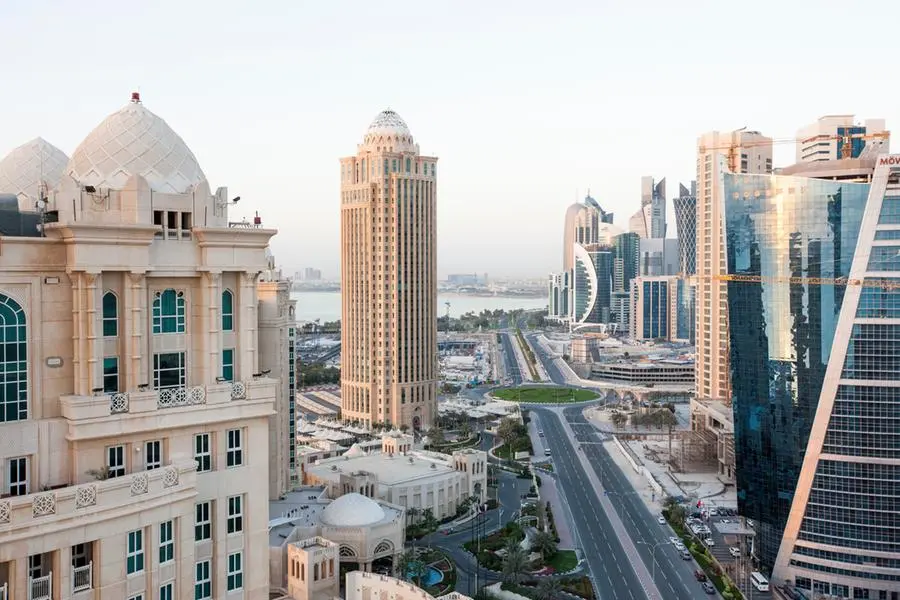
Finally, Qatar, host of the 2022 FIFA World Cup, is planning to spend USD65-billion in tourism-related infrastructure, including USD20billion on hotel and entertainment avenues.
Alpen Capital data shows nearly 17 hotels are being planned in the country, as it builds capacity to prepare for the football-made tourists a decade from now.
CONCLUSION
While the Gulf tourism market has already recovered and is expected to lead growth in the future, some of the other important tourism markets in the region continue to suffer.
Egypt - which has historical and cultural importance as a global tourism destination - is in danger of not fulfilling its potential due to political problems and the Islamist's dismay over the Western-oriented hotel industry.
The regional market would also benefit from growth and development of niche but fascinating tourist destinations in Tunisia, Syria, Morocco, and Lebanon.
Other latent markets such as Yemen, Libya, Iraq and Iran would also add great value but seem a long way away from recovery.
© alifarabia.com 2012