PHOTO
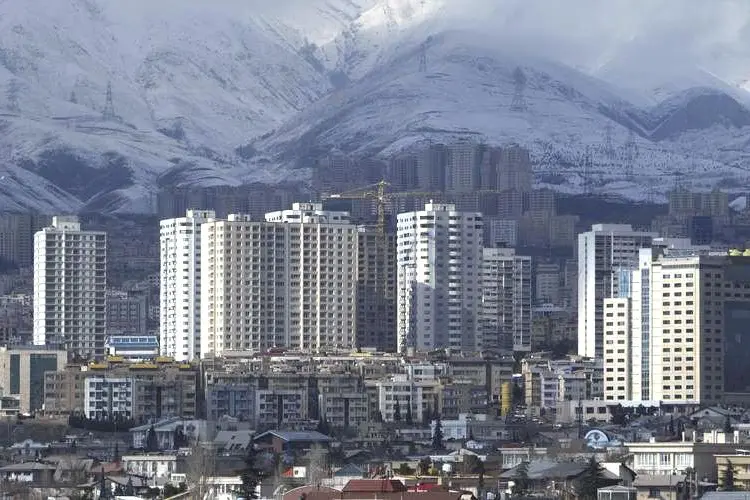
Iran will raise the price of its heavily subsidised fuel under certain limited circumstances, the semi-official Tasnim news agency reported on Tuesday, as the OPEC member seeks to control increasing fuel demand without triggering public anger.
"With the government's decision, starting in December, refuelling vehicles with emergency fuel cards will be charged at a rate of 50,000 Iranian rials per litre ($0.44 per the free market rate)," Tasnim reported, adding that the new rate represented 10% of what it costs the state to buy one litre of fuel from refineries.
Emergency cards can be used at fuel stations if the driver is not in possession of their smart card, introduced in 2007, which allows them to purchase up to 60 litres of fuel at 15,000 rials per litre ($0.14) and up to 100 litres at 30,000 rials per litre ($0.27).
According to Tasnim, domestic fuel production of around 110 million litres per day is surpassed by rising demand which can go up to 140 million litres per day due to several factors such as inefficient cars, smuggling and summer heat.
Government officials have warned that subsidised fuel prices in Iran are "not rational", impose a heavy burden on state finances, and incentivise suboptimal consumption as well as force fuel imports.
The introduction of a third pricing rate for fuel in Iran differs from the sudden decision in 2019 to raise fuel prices for all smart cards, which led to widespread protests that were crushed by the state.
Tasnim shared the cabinet decision's document, which also mentions that private drivers owning several cars will only be able to use smart card quotas for one of their cars, while government-owned vehicles, newly-produced cars and foreign imported cars will have to pay the more expensive rate.
According to the document, further changes such as lower gas quotas for CNG-powered cars, which represent an important share of taxis, are expected in February.
(Reporting by Dubai Newsroom. Editing by Mark Potter)