PHOTO
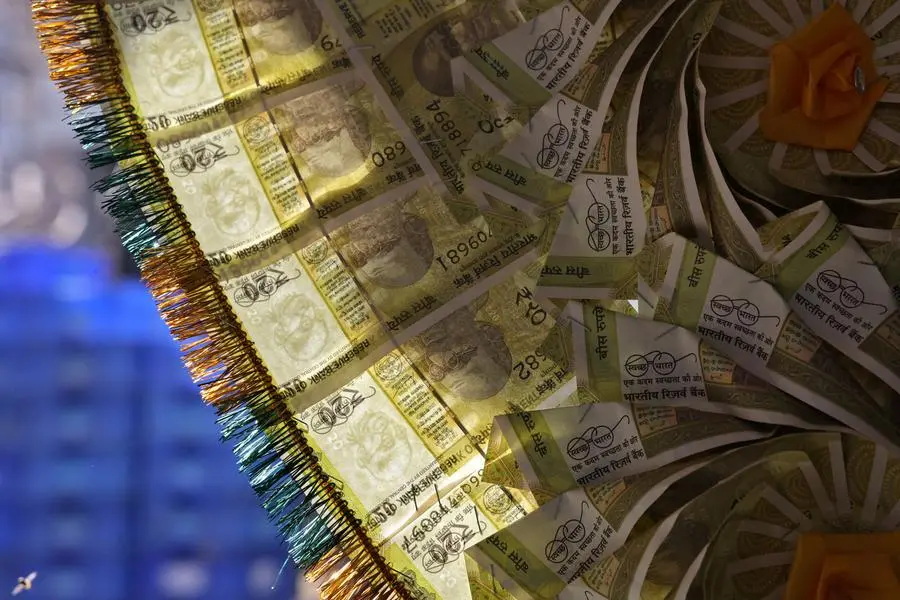
MUMBAI - The Indian rupee declined to a record low on Thursday, deepening its fall past the 90-per-dollar mark as corporate dollar sales and the lack of tangible progress towards a trade deal with the U.S. hurt Asia's worst-performing currency.
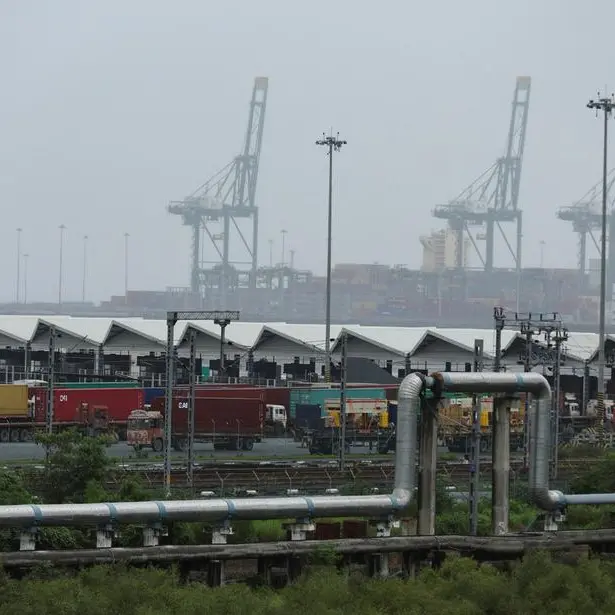
The rupee has fallen more than 5% against the dollar in 2025, as U.S. tariffs of up to 50% on Indian goods have hurt exports to the country's biggest market and have diminished the appeal of local equities.
Foreign investors have pulled out nearly $18 billion from Indian stocks so far this year, making India one of the worst-hit markets in terms of portfolio outflows.
The local currency fell to 90.4675 against the U.S. dollar on Thursday, eclipsing its previous record low of 90.42 hit on December 4. It closed at 90.3675, down 0.4% on the day.
Many stop-losses were triggered on long rupee positions when it fell below 90.42, said Dilip Parmar, a foreign exchange research analyst at HDFC Securities.
"The currency is likely to stay in a downtrend in the near-term. The next level to watch is 90.70," he said.
CENTRAL BANK STEPS IN
The Reserve Bank of India likely intervened to help avert steeper losses, five traders said. One trader characterised the intervention as mild and intended to slow the fall instead of holding the rupee at a specific level.
The RBI will tolerate a weaker rupee as the country's external sector grapples with multiple headwinds, Reuters reported last week.
"A record October goods trade deficit and muted capital inflows — amid uncertainty around the India-US trade deal — point to a further deterioration in the net Balance of Payments position in Q4," analysts at Goldman Sachs said in a note.
"Reduced FX intervention by the RBI over the past 1-2 weeks has increased INR volatility," the note said.
The rupee's 1-month realised volatility has risen to near 5.5%, its highest since July. US DEAL LIMBO
Analysts say a breakthrough in the U.S.- India trade negotiations is key for a reversal in the rupee's fortunes.
India's chief economic adviser said he expects the deal to be signed by March, according to Bloomberg News.
Federal Commerce Secretary Rajesh Agrawal met U.S. Deputy Trade Representative Rick Switzer to discuss bilateral trade on Wednesday.
Meanwhile, Mexico's decision to levy tariffs as high as 50% is expected to affect $1 billion of shipments from major car exporters from India.