PHOTO
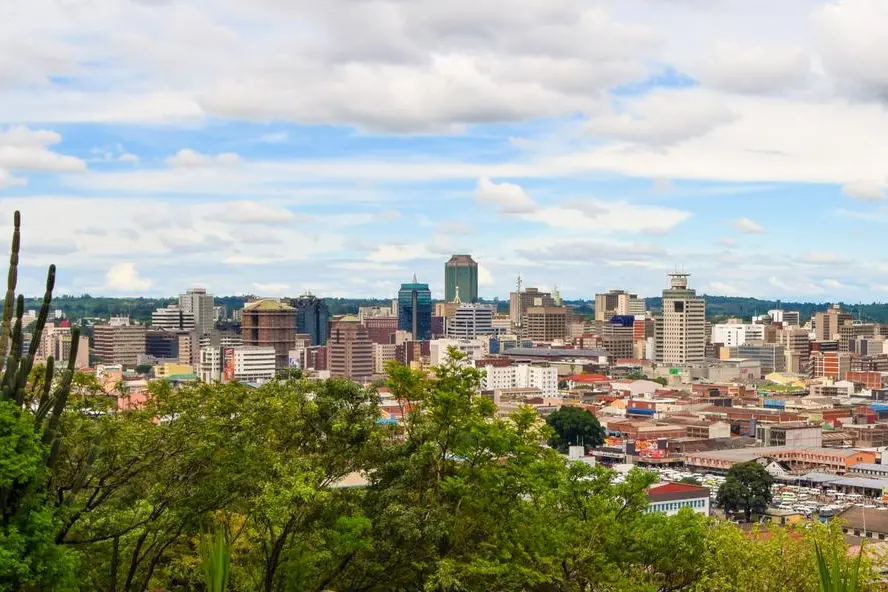
The World Bank has advised Zimbabwe to seek the support from the Group of 20 wealthiest nations (G20) in order to resolve its 25-year debt crisis.
Harare owes the World Bank and other creditors $21 billion, and there are fresh signs that the debt problem is worsening. President Emmerson Mnangagwa has tried pitching solutions to creditors in a series of shuttle diplomacy conferences, but these have yielded no tangible results.
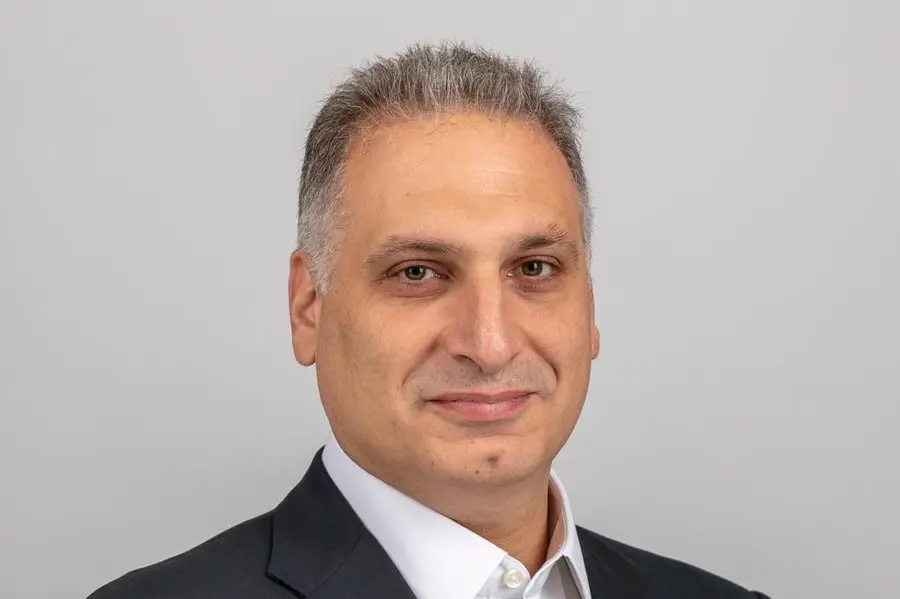
World Bank president Ajay Banga said Zimbabwe will remain frustrated for the next five years, if it chooses to fight alone.“Trying to figure out on your own, you will be doing this for the next five years,” Mr Banga said in an interview in Maputo, Mozambique, this week.“They need to figure out a way to reach out to the G20 and say we raise our hand; we would like to be part of the process. Start talking to the G20 and the Paris Club. We try to bring an understanding of what write down you need to take. It takes a while.”The World Bank chief’s candid warning came amid growing concerns in Zimbabwe that the worsening debt situation is deepening the country’s economic vulnerability.
South Africa, which holds the G20 presidency, said last month Zimbabwe had sought Pretoria’s support for its debt to be revamped under the G20’s Common Framework.
Such support could restore the country’s access to international markets for the first time in more than 20 years.
The Common Framework was created in 2020 to help poor countries bring together a diverse set of creditors to restructure debts.
Although it has been used in countries such as Ethiopia, Ghana and Zambia, it has been criticised for being too slow.
The outgoing African Development Bank (AfDB) president Akinwumi Adesina and former Mozambican President Joaquim Chissano have been advising Zimbabwe on its debt clearance programme.
The European Union and the United States have also withdrawn their support for the arrears clearance programme that is supported by the AfDB citing President Mnangagwa’s reluctance to introduce political and economic reforms.‘Understated debt’Meanwhile, the latest figures from the Zimbabwe government show that the total public and publicly guaranteed debt now stands at an alarming $21.1 billion, comprising $8.7 billion in domestic debt and $12.3 billion in external obligations.
The debt represents about half of the country’s $44 billion gross domestic product.
Former Finance minister Tendai Biti believes Zimbabwe’s debt burden is understated as the actual obligations could surpass $30 billion due to what he said was questionable infrastructure financing arrangements.“The authorities refer to $22 billion, but there is evidence to believe that the debt is well more than $30 billion,” Mr Biti said. “There is considerable opacity surrounding some debts.“There is also opaqueness around the parastatals' debt that is being inherited and assumed by the government. So, the first thing to do is to verify and audit this debt.”Paidamoyo Mzulu, an economic governance expert based in Harare, said Zimbabwe’s debt situation had reached unsustainable levels and called for an urgent audit.“The debt is now unsustainable, but the starting point should be a comprehensive forensic debt audit to see where the money was used,” Mr Mzulu said. “All odious debts must not be repaid.“Zimbabwe should have a prudent way of contracting debt. This, therefore, calls for the immediate enactment of a debt cap law.”Zimbabwe Coalition on Debt and Debt Development executive director John Maketo said the country needed homegrown solutions to its debt problems that were now choking investment in social services.“Our public debt, hovering above $20 billion, continues to constrain our fiscal space, social investments and economic transformation,” Mr Maketo said.“The burden of legacy debts, compounded by recurring budget deficits, climate shocks and constrained revenue bases, tells us one truth: we need bold, homegrown and people-centred solutions.”Debt trapZimbabwe started defaulting on loan repayments to the World Bank and the International Monetary Fund as well as other lenders in 2000.
The defaults escalated at the height of a controversial land reform programme that began around the same time that led to the country’s international isolation and economic ruin.
The country’s biggest Paris Club creditors are Germany, France, United Kingdom, Japan and the United States, with a combined external debt stock amounting to $2.9 billion, which accounts for 74 percent of the total Paris Club external debt.
Zimbabwe’s debt stock has risen in previous years because it resorted to seeking cheap loans from China for infrastructure loans, but it has not been able to pay back the money because of an unending economic crisis characterised by hyperinflation and political instability.
© Copyright 2022 Nation Media Group. All Rights Reserved. Provided by SyndiGate Media Inc. (Syndigate.info).