PHOTO
The International Atomic Energy Agency (IAEA) has offered to help African countries unlock financing for nuclear power projects.
IAEA’s Director-General Rafael Grossi, who spoke at the Nuclear Energy Innovation Summit for Africa in Kigali this week, said there is renewed appetite for financing nuclear energy projects in Africa by international lenders.“Nuclear was there against a playing field that was not levelled. Until now, the doors for international finance institutions involved in any nuclear projects were closed. There was nowhere for African countries could turn to. I am looking forward to this new phase. We are going to be helping countries in Africa prepare bankable nuclear financing documents,” Mr Grossi said.
He added that once countries approach the World Bank, the lender would reach out to the IAEA to work with that country and prepare a rejection-proof nuclear energy funding proposal.
On the fears of banks, activists and ordinary people over safety, standards and practices to mitigate disasters, Grossi said: “There have been misconceptions and unfavourable narratives about nuclear energy. Sometimes there is amalgamation of nuclear energy with weapons.”The AfDB has been averse to funding nuclear power projects partly because of the massive capital investments required – between $1.5 billion to $8 billion for a 1GW plant, with completion timelines of up to 15 years.
These costs are prohibitive for countries with constrained budgets and high debt levels, with the continent’s debt-to-GDP ratio averaging 65 per cent in 2024.
Egypt’s El Dabaa nuclear plant, for instance, cost $28.75 billion, largely financed by a Russian loan.
The AfDB’s energy portfolio is heavily weighted towards renewables and energy access programmes, such as the Sustainable Energy Fund for Africa (Sefa), which focuses on solar, wind and hydro-power.
But the lender is now part of the broader conversation around energy access, including the World Bank’s Mission 300 to provide electricity to 300 million Africans by 2030, which may indirectly influence nuclear financing considerations.
The nuclear energy discussion has been mainstreamed in East Africa. Uganda has signed a deal with Korea Hydro and Nuclear Power Company Ltd to begin site assessment for the development phase of its programme in Buyende.
The plant is billed to initially generate 1GW by 2031 and eventually scale up to 8.4GW, Energy Minister Ruth Nankabirwa said.
Buyende is the first candidate for Uganda’s nuclear power programme, along with sites in Nakasongola, Kiruhura and Lamwo, all expected to generate a total of 24GW – nearly half of the 52.481GW demand by 2040 – according to the country’s Energy Policy of 2023 and Vision 2040.“Nuclear is no longer an option, it is a necessity,” Ms Nankabirwa said.
Tanzania’s Energy Minister Doto Biteko said this week that Dodoma is looking forward to using nuclear energy for development programmes.“Nuclear energy offers a promising path for Tanzania to meet growing electricity demand sustainably and cost-effectively,” Dr Biteko told the summit in Rwanda’s capital.
On May 24, President Samia Suluhu Hassan directed the ministry to speed up the development of uranium projects and make Tanzania energy secure.“We have the raw material. It is important to oversee our uranium project in Tunduru so that investors can start working and we can benefit from that resource,” the President said.
Tanzania has a uranium development project in Ruvuma.
In Kenya, the proposed nuclear plant has been moved from the Coast to the Lakeside region. Residents and local leaders have embraced the project that will be in Bondo, Siaya County.
Energy Cabinet Secretary, Opiyo Wandayi and Orange Democratic Movement leader Raila Odinga have calmed residents’ fears and smoothed the implementation of the project.
However, nuclear projects face risks of cost overruns, delays and uncertain returns as seen in South Africa’s abandoned 9,600MW expansion plan in 2018.
As the landscape changes and the World Bank tests the waters, other multilateral lenders might follow suit.
From the look of things, funding for nuclear power projects in Africa will continue to come from external sources, especially China, Russia or South Korea.
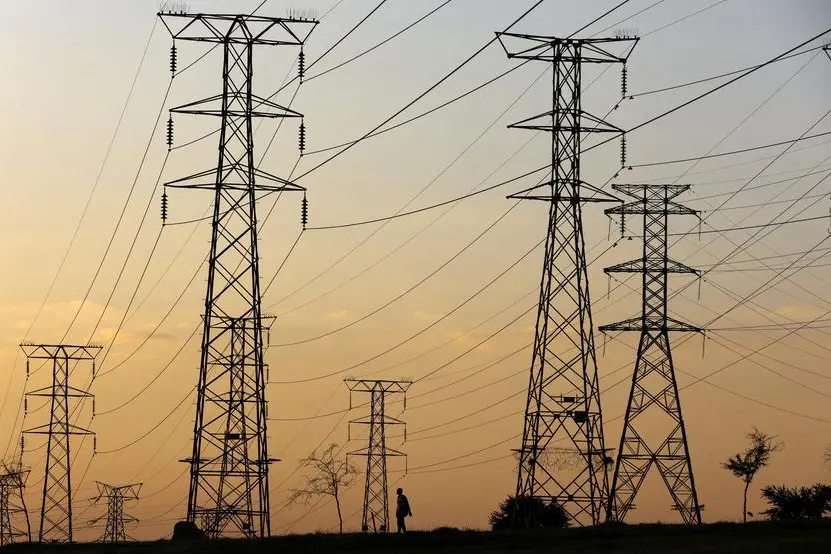
Africa’s energy poverty rate remains significant – 43 percent of the continent’s population (600 million) lacks access to electricity.
Additional reporting by Apolinari Tairo and Kassim Adinasi © Copyright 2022 Nation Media Group. All Rights Reserved. Provided by SyndiGate Media Inc. (Syndigate.info).