PHOTO
The aggregate capital expenditure (capex) of national oil companies (NOCs) in the Gulf Cooperation Council (GCC) is expected to increase to $115-$125 billion in 2025-2027, up from $110-$115 billion in 2024, S&P Global said.
The main drivers will be capacity expansion plans in the UAE and Qatar, as well as capacity maintenance in Saudi Arabia, it said in a report titled “GCC 2026 Energy Outlook: Capex, Capacity, Consolidation”.
However, this level of spending is unlikely to strain GCC NOCs’ free operating cash flows substantially, even with lower oil prices and a slowdown in global economic growth.
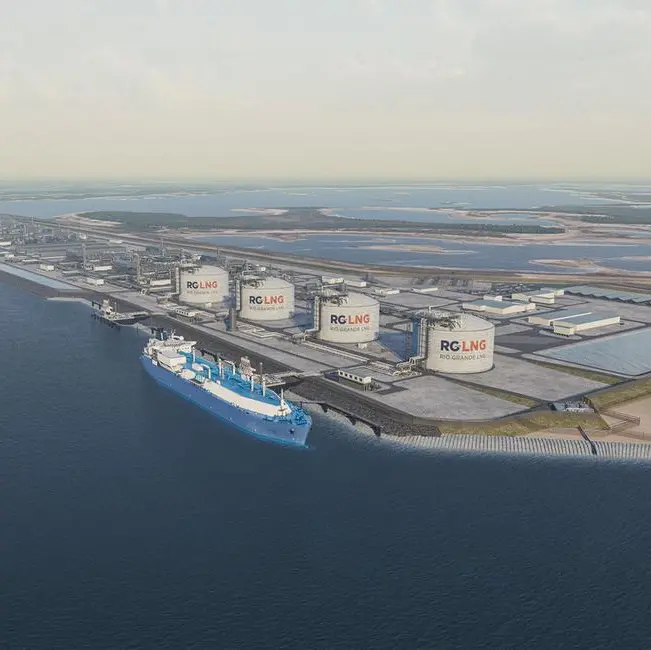
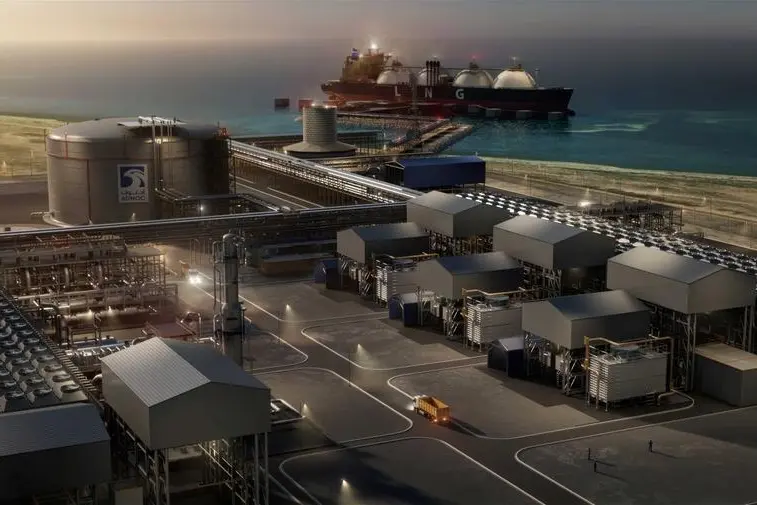
In the UAE, ADNOC is targeting a five-million-barrels-per-day increase in production capacity by 2027, while QatarEnergy is expanding its LNG production capacity in phases through its North Field expansion project.
“We expect capex to taper toward the second half of the decade as the capacity expansion completion dates approach,” S&P said.
Although NOCs’ capex requirements will remain elevated, the rating agency believes NOCs will adopt a more cautious stance on spending.
This is unlike the trend among the international oil companies, which, over the past 12-18 months, have generally announced downward revisions to their capex guidance, mainly to balance cash flow generation with their financial policy commitments.
The report expects that, on average, over half of the GCC NOCs’ capex will remain focused on upstream activities, namely exploration and production.
Domestic oil typically remains the core focus of capex, but the regional NOCs are also increasing their focus on gas and international operations.
In March 2025, XRG, a wholly owned subsidiary of ADNOC, acquired a 10% stake in Area 4 Mozambique for $881 million. Concurrently, QatarEnergy is actively seeking and securing interests in Africa and South America.
These moves by GCC NOCs are increasingly aligned with their ambitions to expand their LNG and trading businesses.
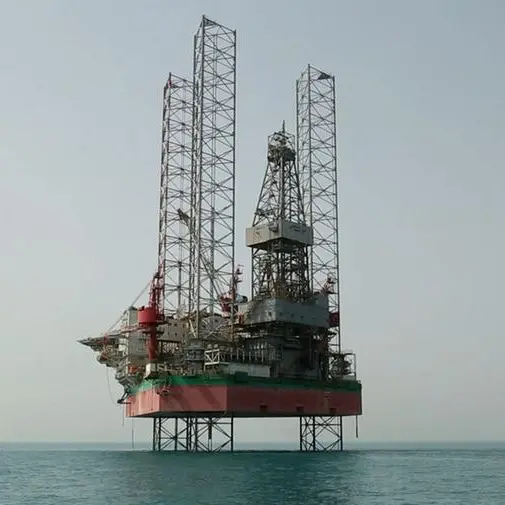
On the other hand, a more cautious approach by NOCs on spending is likely to reduce rig demand, rationalise average day rates and weigh on the overall profitability of the region’s oil drillers.
“We think that oil drillers’ rating headroom could shrink as a result, but we do not expect any rating pressure in the short term. In addition, industry consolidation could help balance rig supply and demand and subsequently support day rates.”
In addition, NOCs are aiming to achieve greater integration along the value chain and are leveraging their trading arms to make the supply of feedstock from upstream to downstream operations more reliable.
Aramco’s downstream operations (manufacturing, marketing, refining, and processing) utilise more than 50 percent of the crude oil it produces (53 percent as of end-2024), S&P said
(Writing by P Deol; Editing by Anoop Menon)
Subscribe to our Projects' PULSE newsletter that brings you trustworthy news, updates and insights on project activities, developments, and partnerships across sectors in the Middle East and Africa.