PHOTO
ABU DHABI – The 2026 Edelman Trust Barometer reveals that grievance has given way to insularity, with seven in ten people globally saying they are unwilling or hesitate to trust someone whose values, information sources, problem-solving approaches or cultural background differ from their own.
This reluctance to trust across differences is most pronounced in developed markets, including Japan (89 percent) and Germany (81 percent), and remains elevated in countries such as the UK (76 percent) and Canada (73 percent) – while sitting at the global average in the United States (70 percent). In the UAE, nearly half (48 percent) of people express hesitation or unwillingness about trusting those who differ from them, placing the country among the less insularly minded markets globally, with the majority open to trust across differences.
This turn inward is also reshaping how people view the future. While there has been a global collapse in optimism – with fewer than one-third (32 percent) believing the next generation will be better off, compared to today – the UAE shows a more resilient outlook. Nearly two-thirds (63 percent) of people in the UAE remain optimistic about the future facing the next generation.
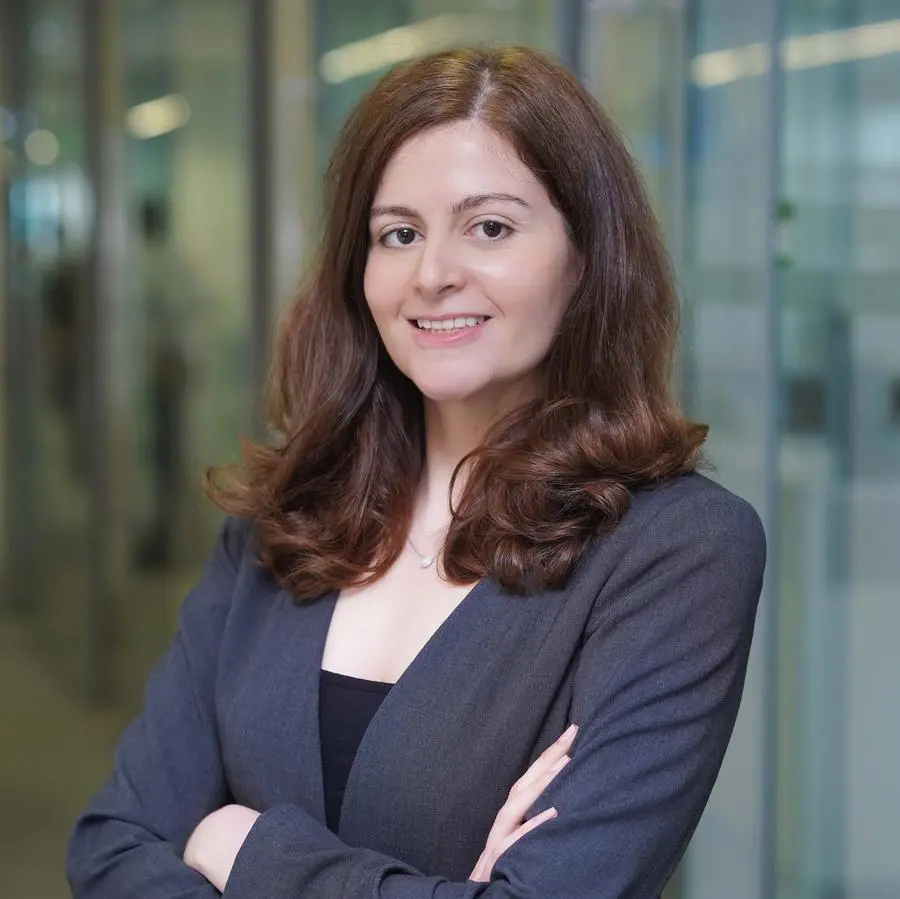
“As societies around the world turn inward, the UAE continues to demonstrate the strength that comes from trust in institutions, employers, and leadership,” said Nidaa Lone, Head of Abu Dhabi, Edelman Middle East. “Trust in the UAE remains resilient – even among more cautious audiences. In a highly diverse society, that matters. It creates a strong foundation for leadership, one that depends not on avoiding difference, but on engaging with it constructively as the country looks ahead.”
Employers and leaders as trust brokers in the UAE
UAE employers are particularly well-positioned to play a trust-brokering role amidst a global culture of insularity. My Employer (70 percent among UAE employees) is tied with government (70 percent among the general population in UAE) as the top-rated institution for doing well at bridging divides and facilitating trust-building between groups that distrust one another. Employees identify clear and consistent actions that support this role, with nine in ten saying employers can effectively build trust by promoting a shared identity and culture, bringing together teams of co-workers with different values, and providing training in constructive dialogue.
Importantly, this occurs against a backdrop of sustained institutional confidence:
- Even as caution toward difference is prevalent globally, there is no wholesale rejection of institutions or leadership in the UAE.
- Media remains broadly trusted, institutional leaders continue to retain credibility, and more than half of UAE respondents say they engage with information from sources with a different political leaning from their own at least weekly.
- Trust levels remain high overall. My Employer is trusted by 88 percent of employees. Among the general population, 86 percent trust government, 84 percent trust business, 77 percent trust NGOs, and 74 percent trust the media.
Expectations of leadership are therefore high. People in the UAE look to CEOs to set the tone for trust-building. While 83 percent say CEOs are obligated to actively bridge divides, just 62 percent believe they are doing so effectively. Actions that the public believes will effectively strengthen trust include:
- Constructively engaging critics and sceptics (85 percent), signalling openness to dialogue rather than retreating from disagreement.
- Consulting people from diverse backgrounds when making decisions (84 percent), reinforcing the value of inclusion and lived experience in leadership choices.
- Modelling trust-building behaviour from the top, with CEOs seen as setting the tone for how organisations engage across differences.
These findings point to a clear mandate for leadership. As trust narrows and becomes more personal, sustaining confidence will depend on the ability of leaders and employers to bridge divides and reinforce trust across a diverse society.
For more UAE findings see the full 2026 Trust Barometer report here: https://www.edelman.com/ae/trust/2026/trust-barometer
About the Edelman Trust Barometer
The 2026 Edelman Trust Barometer is the firm’s 26th annual trust survey. The research was produced by the Edelman Trust Institute and consists of 30-minute online interviews conducted between October 23 and November 18, 2025. The 2026 Edelman Trust Barometer surveyed nearly 34,000 respondents across 28 countries.
Published every January, the report covers a range of timely and important societal indicators of trust among business, media, government, and NGOs, shaping conversation and setting the agenda for the year ahead.