PHOTO
Abu Dhabi, United Arab Emirates – The European Union convened a high-level summit in Abu Dhabi bringing together policymakers, investors and industry leaders from the EU, the Gulf and the wider Middle East and North Africa (MENA) to strengthen cooperation on clean energy and accelerate the development of hydrogen and advanced fuels markets.
Held in partnership with Abu Dhabi Sustainability Week, the EU–GCC–MENA Hydrogen & Advanced Fuels Summit focused on turning political ambition into concrete projects by improving market readiness, investment conditions and cross-regional collaboration.
Organised under a Team Europe approach by the EU–GCC Cooperation on Green Transition Project, in coordination with the Delegation of the European Union to the UAE, the Embassy of Germany in the UAE and the MED-GEM Network, the Summit brought together EU institutions and Member States with regional partners from government and industry.
Discussions addressed how hydrogen and advanced fuels can help reduce emissions in sectors that are difficult to decarbonise, such as aviation, shipping and heavy industry. Participants highlighted the importance of a strong regulatory framework and certification standards to enable trusted international trade and attract private investment.
Speakers also stressed the need to mobilise finance through public-private partnerships and risk-sharing mechanisms, as well as to develop the infrastructure needed to support future clean energy trade, including transport, storage, ports and logistics.
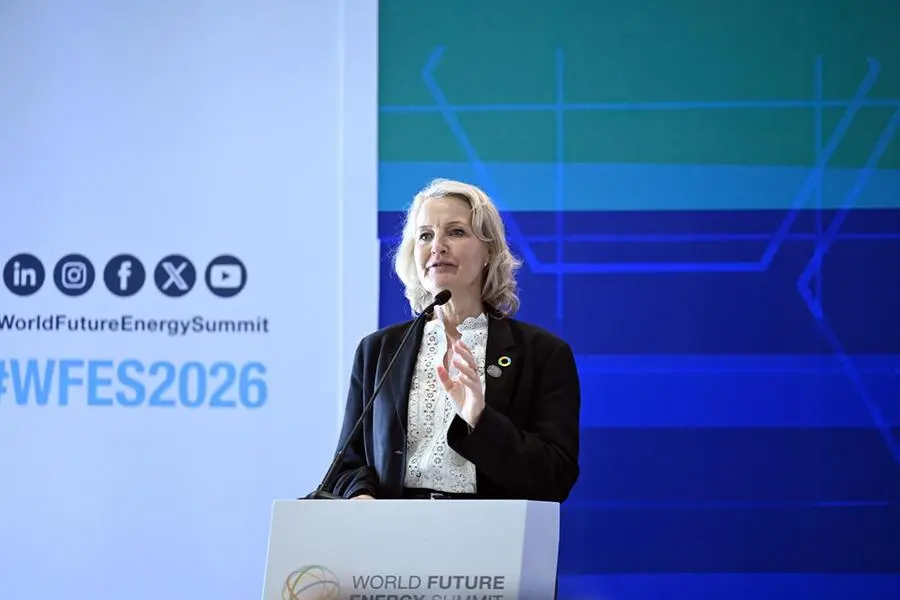
The Summit featured keynote interventions by HE Ditte Juul Jørgensen, Director-General for Energy at the European Commission, and Mohammad Abdelqader El-Ramahi, Chief Hydrogen Officer at Masdar.
“Hydrogen and its derivatives will play an important role in Europe’s energy transition, particularly in sectors where direct electrification is not feasible,” said HE Ditte Juul Jørgensen. “Moving from ambition to implementation requires strong international partnerships to advance regulatory and technological cooperation. Engagement with partners across the Gulf and the wider MENA region is therefore essential.”
From an industry perspective, participants emphasised the importance of scale, cost reduction and collaboration in bringing clean energy projects to market.
The Summit also highlighted the role of government-to-government cooperation in creating predictable and enabling regulatory environments and supporting long-term energy security and industrial competitiveness.