PHOTO
(The opinions expressed here are those of the author, a columnist for Reuters.)
ORLANDO, Florida - War in the Middle East means investors may not only have to contemplate a higher oil price, but also a stronger dollar than many had bargained for at the start of the year.
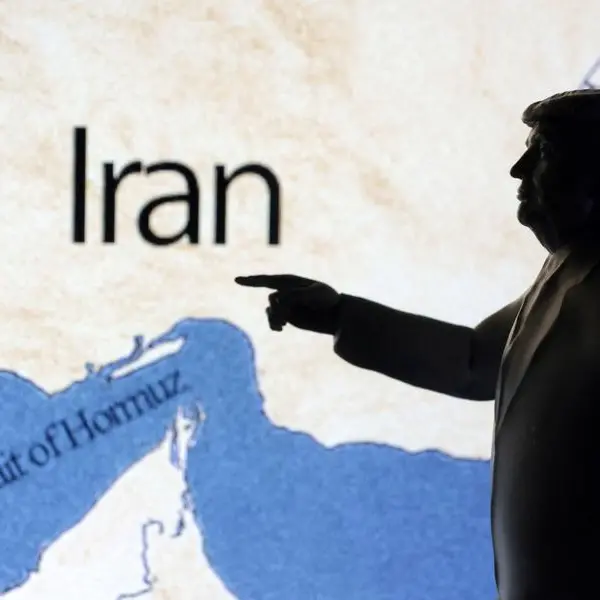
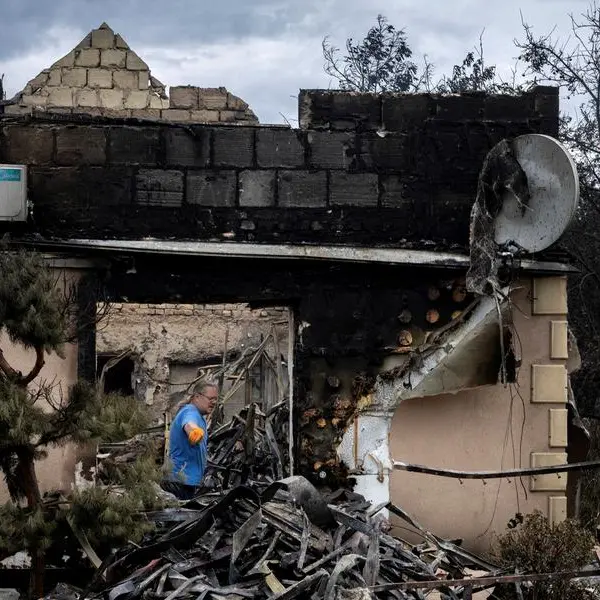
The greenback has emerged as one of the clearest "safe-haven" winners since the U.S.-Israeli strike on Iran on February 28 sparked conflict across the region and virtually closed the Strait of Hormuz, choking off nearly a fifth of global oil supplies.
The dollar has outshone all other currencies, including the Swiss franc and Japanese yen, and outperformed other traditional safe havens like Treasuries and gold by a considerable margin. Suddenly, the bearish 2026 consensus for the dollar looks extremely stale.
Unexpected dollar strength could have far-reaching ripples, affecting global trade, growth, and markets. All else equal, a stronger dollar tightens financial conditions, erodes U.S. corporate earnings, and is a drag on global trade. Emerging economies exposed to dollar-denominated debt are also especially vulnerable.
The dollar's safe-haven allure makes intuitive sense. The United States is self-sufficient in energy, so is not as vulnerable to the threat of spiking gasoline prices, though with U.S. crude above $90 a barrel, it's certainly not immune.
Japan is in a much worse spot, however, as it imports almost all its energy. This has dimmed the yen's attraction during this crisis, while the Swiss National Bank has warned it will intervene to limit any excessive rise in the Swiss franc.
Meanwhile, U.S. stocks and bonds have performed well since the war broke out. Wall Street's outperformance has been striking, and Treasuries are also faring well against other developed bond markets, especially UK gilts.
Put it all together, and the greenback's outlook is suddenly a lot brighter. The dollar index, a broad measure of its value against a basket of major currencies, has already strengthened 2% this month. While that pace of appreciation is unlikely to be sustained, more upside is on the cards if the war or its fallout lasts into the summer or beyond.
"The dollar is likely to maintain the upper hand if oil prices, risk aversion and cross-asset volatility all stay elevated," say HSBC analysts.
TAILWINDS BECOME HEADWINDS
That's not how the broader market saw it at the start of the year. The consensus view on the dollar was bearish, due to worries around Federal Reserve independence and expected rate cuts. Futures markets were pointing to at least 50 basis points of Fed cuts by December. Barely one quarter point of easing is fully priced now.
The dollar index slumped to a four-year low at the end of January, but it has since rebounded a solid 5%. Further gains will prompt a rethink of many 2026 assumptions.
One could be global trade. An under-reported reason why global trade has been so resilient in the face of U.S. President Donald Trump's tariffs is the dollar's 10% fall last year, says Felipe Camargo, lead economist at Oxford Economics.
Global export volumes in 2025 excluding the U.S. grew by 5.3%, significantly faster than the 10-year average pace of 3%. In a dollar-dominated trade system, a weaker greenback makes dollar-invoiced goods cheaper and strengthens international trade linkages.
Camargo estimates that a 10% rise in the dollar's value could cause global trade volumes to fall 6-8% below his current baseline forecasts, wiping out all last year's gains. In that scenario, trade volumes could drop as much as 5% below his pre-tariff forecast at the beginning of last year.
In a similar vein, the dollar's slide last year provided a powerful tailwind for U.S. earnings. A stable dollar this year would remove that tailwind, a rebound would turn it into a headwind.
That's because anywhere between 30% and 40% of S&P 500 companies' revenues are generated overseas. That figure rises above 50% for the tech sector, which is significant given how much tech firms drive overall U.S. earnings. They account for around a third of the S&P 500's market cap, and around a fifth of total earnings growth.
A powerful dollar rally this year would be a wildly out-of-consensus move. But it wouldn't need to be that extreme to make investors reassess all their 2026 outlooks.
(The opinions expressed here are those of Jamie McGeever, a columnist for Reuters)
Enjoying this column? Check out Reuters Open Interest (ROI), your essential new source for global financial commentary. Follow ROI on LinkedIn, and X.
And listen to the Morning Bid daily podcast on Apple, Spotify, or the Reuters app. Subscribe to hear Reuters journalists discuss the biggest news in markets and finance seven days a week.
(By Jamie McGeever; Editing by Marguerita Choy)