PHOTO
(The views expressed here are those of the author, the founder and CEO of Emmer Capital Partners Ltd)
HONG KONG - Asia has been the most vulnerable region in the Iran war given its heavy reliance on Middle East energy, but it could turn out to be a major winner from several long-term trends this conflict is likely to accelerate, including higher cybersecurity investment, the pivot away from fossil fuels and supply-chain diversification.
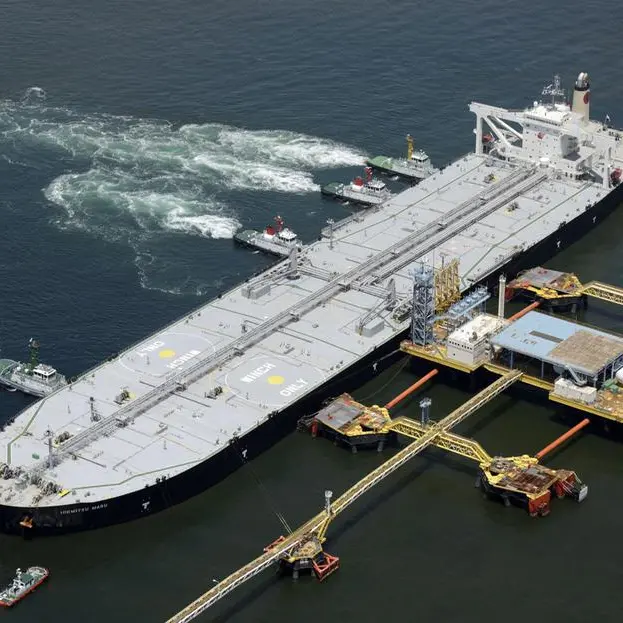
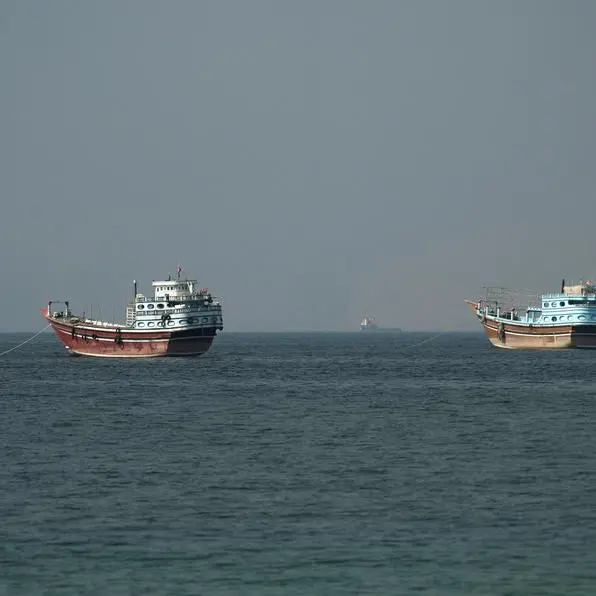
The region's energy-intensive economies - led by China, Japan, South Korea, and India — are highly dependent on Middle Eastern oil and gas. Around 80% of oil and 90% of gas that normally transit through the Strait of Hormuz are destined for Asian markets. The closure of the Strait for most vessels has thus led to sharp spikes in regional energy prices.
While China has been relatively insulated due to its massive stockpiles, the rest of the region has faced supply shortfalls, and in some countries, rationing.
Yet even though the crisis has laid bare Asia's energy vulnerabilities, it may simultaneously be accelerating several structural shifts that favour the region in the long term.
BUILDING THE ASIAN ARSENAL
The conflict is apt to accelerate the global push for more defense spending as well as Asia’s ongoing drive for greater defence self-sufficiency. The region’s world-class semiconductor and manufacturing supply chains may give Asian contractors a production edge that Western peers will struggle to match. For example, Korean arms manufacturers – Hanwha Aerospace , LIG Defense & Aerospace, formerly LIG Nex1, and Hyundai Rotem - have commanded investor attention over the past year due to their strong earnings growth forecasts and large order backlogs. Their market dominance could increase further, bolstered by growing penetration of European markets.
Both the Iran conflict and the Russia-Ukraine war have also underscored the efficacy and cost-effectiveness of "new" weaponry, especially drones. The global military drone market is expected to nearly double to $29 billion by 2030 from $15.3 billion in 2025, according to market research firm Technavio.
Technavio also forecasts similar growth for Asia's military drone market, which is led by state-backed Chinese aerospace giants. The region's manufacturers are apt to compete against U.S., Israeli, and Turkish rivals by leveraging their production scale, cost-effectiveness, and product range.
CHIPS, CYBER AND AI
Asia's cybersecurity ambitions sit at the heart of a broader global race, underpinned by rapid digital transformation, high threat exposure, government-led investment, and massive hardware manufacturing capacity supporting artificial intelligence-powered cyber defenses. The World Economic Forum’s (WEF) January survey reveals that geopolitically motivated cyberattacks are the principal risk corporations perceive today.
Unsurprisingly, the WEF survey shows most companies view AI as the technology that will most significantly affect cybersecurity in the next 12 months.
AI already appears to be doing just that. For example, Anthropic's Mythos- a model that is reportedly capable of identifying software vulnerabilities at scale - illustrates both the offensive potential and the defensive imperative. The need to stay one step ahead in the AI arms race could push the U.S., Europe and others to seek to develop more of their own domestic manufacturing. Until then, the hunger for Korean and Taiwanese semiconductors looks set to remain insatiable.
THE ENERGY PIVOT
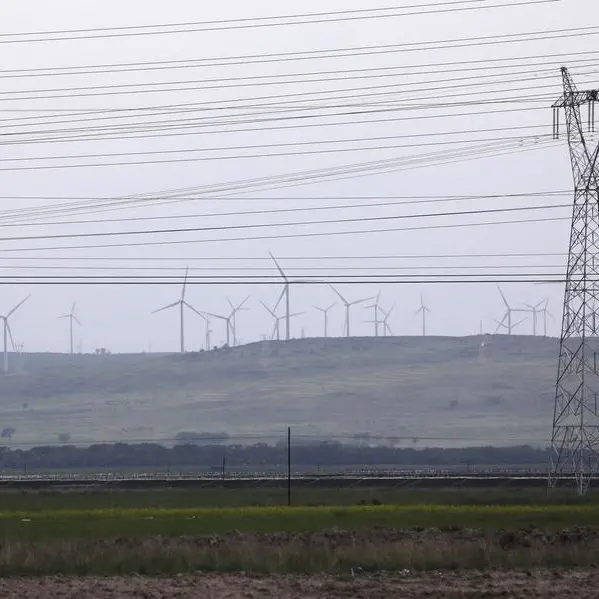
The energy shock created by the Iran war may encourage more nations to accelerate their push away from fossil fuels, expanding electric vehicles, energy storage and green energy overall. China, with its commanding share of the EV battery market, stands to be a disproportionate winner. According to SNE Research data, Chinese manufacturers account for over 70% of global battery installations, followed by Korean companies at roughly 15%. China also dominates intellectual property in the sector.
Chinese firms held 18 of the top 20 rankings for patents in power battery systems in 2023, according to the China National Intellectual Property Administration. This means countries will likely be reliant on Chinese technological prowess as they seek to build up their low-carbon energy capabilities.
Nuclear energy is also back in focusas part of the response to the Middle East energy shock – particularly in Asia. South Korea is considering expanding its nuclear power capacity, and Taiwan is contemplating restarting two nuclear reactors. Meanwhile, Japan has signed a $40 billion reactor deal with the U.S. and a nuclear fuel recycling agreement with France.
This should create a strong tailwind for Asia’s nuclear power equipment manufacturers, with Korea’s Doosan Enerbility , China’s Shanghai Electric and Dongfang Electric, India’s Larsen and Toubro and Japan’s Mitsubishi Heavy Industries all potentially standing to benefit.
The current energy shock has also shown the danger of over-reliance on a single chokepoint. Diversification of supply routes is thus already moving from aspiration to operational necessity. For example, there are renewed discussions about the India-Middle East-Europe Economic Corridor, a U.S.-backed rail and shipping project to link India to Europe, and Saudi Arabia is considering expanding its East-West oil pipeline, according to the Financial Times.
Several Asian companies with long experience and expertise in the Middle East – India’s Larsen and Toubro, PetroChina and Abu Dhabi-based NMDC – could all potentially gain from this buildout.
Several hurdles remain. If the Strait of Hormuz remains closed for an extended period, it could trigger shortages of energy and industrial inputs, significantly denting Asia's manufacturing capability. Additionally, Western reshoring efforts, though gradual, could also dampen Asia's gains. Meanwhile, rising capital costs driven by inflationary expectations risk delaying both the green energy transition and defense projects.
The Middle East conflict will end at some point, but its impact on global policy direction will not.
(The views expressed here are those of Manishi Raychaudhuri, the founder and CEO of Emmer Capital Partners Ltd and the former head of Asia-Pacific Equity Research at BNP Paribas Securities.) Enjoying this column? Check out Reuters Open Interest (ROI), your essential new source for global financial commentary. Follow ROI on LinkedIn, and X. And listen to the Morning Bid daily podcast on Apple, Spotify, or the Reuters app. Subscribe to hear Reuters journalists discuss the biggest news in markets and finance seven days a week.
(Writing by Manishi Raychaudhuri; Editing by Marguerita Choy and Anna Szymanski)