PHOTO
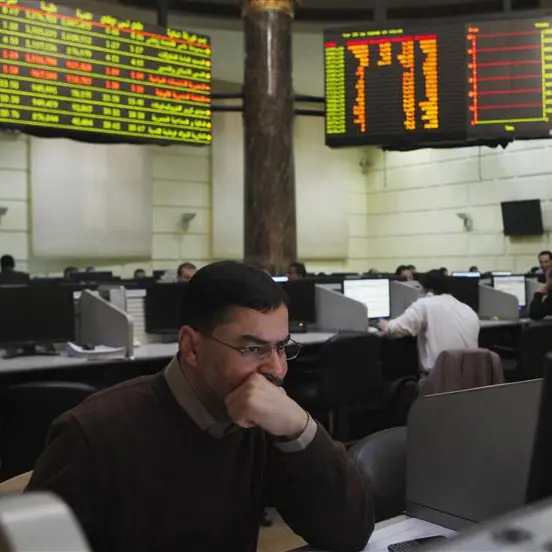
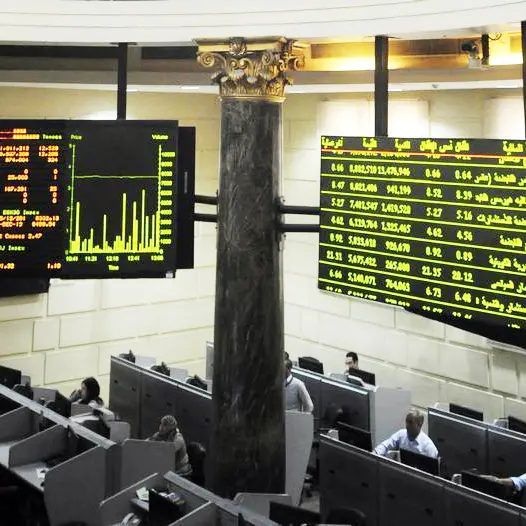
Stock markets in the Middle East ended lower on Monday, with the Dubai index falling most, on fears that the United States could be heading for recession, while concerns about a widening conflict in the region added to the worries.
The U.S. unemployment rate jumped to near a three-year high of 4.3% in July amid a significant slowdown in hiring, heightening fears the labour market was deteriorating and potentially making the economy vulnerable to a recession.
The worryingly weak July payrolls report saw markets price in a 78% chance the Federal Reserve will not only cut rates in September, but ease by a full 50 basis points. FEDWATCH
Dubai's main share index <.DFMGI> plunged 4.5%, its biggest intraday fall since May 2022, dragged down by a 7.6% slide in blue-chip developer Emaar Properties <EMAR.DU>.
The concerns that the Fed could be late in reducing its interest rates could reverberate in all financial markets, said Bas Kooijman CEO and asset manager of DHF Capital S.A.
"A recession in the U.S. could have a broad economic impact and could affect the economies in the GCC."
In Abu Dhabi, the index <.FTFADGI> closed 3.4% lower, hit by a 7.3% decline in the country's biggest lender First Abu Dhabi Bank <FAB.AD>.
Meanwhile, the United Arab Emirates' non-oil private sector expanded at its slowest pace in almost three years in July, a survey showed on Monday, with both output and new order growth easing.
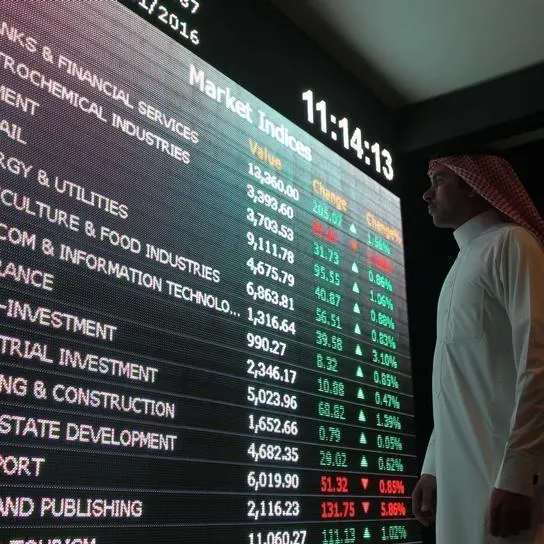
Saudi Arabia's benchmark index <.TASI> spared some losses to close 2.1% lower, closing its lowest since mid-December, weighed down by a 6.1% drop in Al Taiseer Group <4143.SE>, while the kingdom's biggest lender Saudi National Bank <1180.SE> fell 5.2% despite reporting an increase in quarterly profit.
Oil prices - a catalyst for the Gulf's financial markets - eased as concerns about global energy demand offset worries about the potential impact to supply from a widening conflict in the Middle East.
Israel and the U.S are bracing for a serious escalation in the region after Iran and its allies Hamas and Hezbollah pledged to retaliate against Israel for the killings of Hamas's leader and a top Hezbollah military commander last week.
The U.S. is deploying additional military might in the Middle East as a defensive measure to de-escalate tensions in the region, a White House official said on Sunday.
The Qatari benchmark <.QSI> reversed early losses to finish flat.
Outside the Gulf, Egypt's blue-chip index <.EGX30> dropped 2.3%, with El Sewedy Electric <SWDY.CA> losing 6.4%.
| SAUDI ARABIA | <.TASI> declined 2.1% to 11,504 |
| ABU DHABI | <.FTFADGI> fell 3.4% to 8,975 |
| DUBAI | <.DFMGI> dropped 4.5% to 4,046 |
| QATAR | <.QSI> finished flat at 10,057 |
| EGYPT | <.EGX30> down 2.3% to 27,841 |
| BAHRAIN | <.BAX> slipped 1% to 1,931 |
| OMAN | <.MSX30> was down 1% to 4,602 |
| KUWAIT | <.BKP> retreated 2% to 7,544 |
(Reporting by Ateeq Shariff in Bengaluru; Editing by Vijay Kishore)