PHOTO
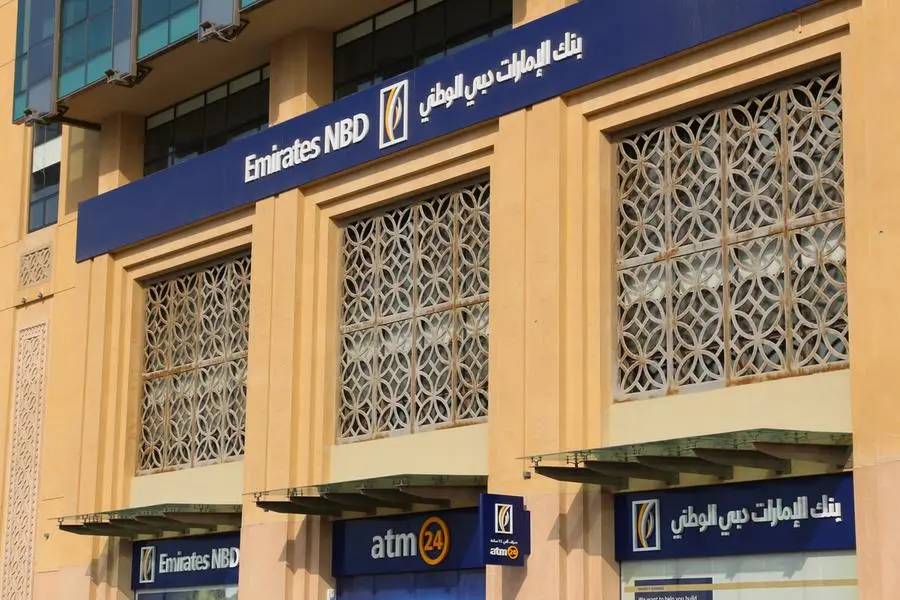
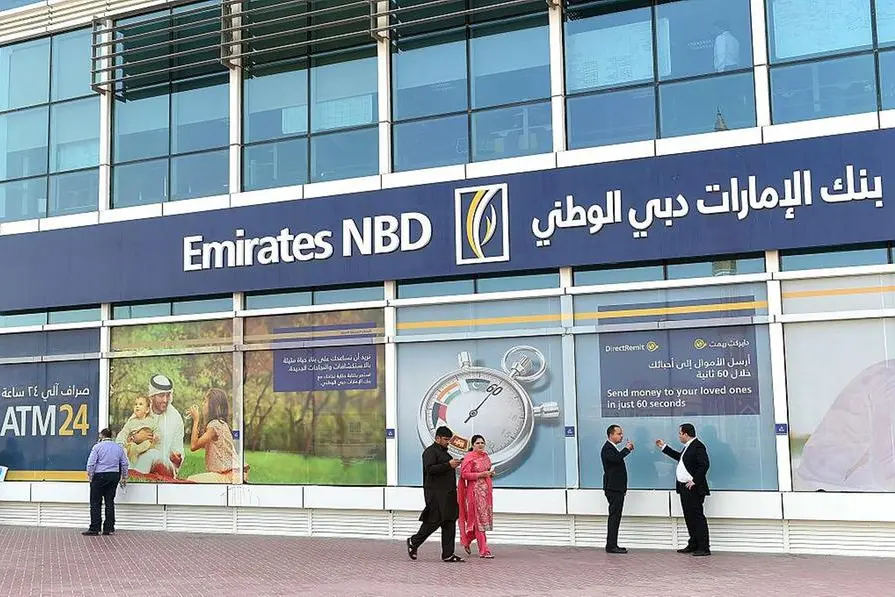
Emirates NBD, Dubai’s biggest lender by assets, has revealed its preferred equity markets for this year, as it starts the year with a reshuffled long-term strategic asset allocation.
According to the bank’s latest report, the US and Japan are its preferred markets within the developed markets and India and the UAE within emerging markets (EMs).
“We like the UAE and India, tactically and strategically. New listings in both regions will aid performance and India domestic demand remains resilient. On China, we are tactically overweight as a part of our EM Asia overweight, though COVID-19 cases continue to rise. In the longer term, we are wary of US tech sanctions and China’s own onerous policies on data and on monopolistic tech and payment companies,” Anita Gupta, Head of Equity Strategy, Emirates NBD CIO Office, noted in a report titled A Volatile Transition To A Changing World.
“Our fair value estimates for 2023 predicate low single digit upside for US equities with earnings to stay flat for the S&P 500 and a PE multiple of 18.2X by the end of the year. We expect European equities to perform in line with economic growth, that is small negative returns. We expect more upside i.e., mid-teens, from emerging markets which are at low valuations and relatively high growth,” it said.
Emirates NBD recommends income strategies as the best hedge against the lower growth and the likely recession outlook and recommends buying stocks of companies with resilient income, serviceable debt and sustainable dividends.
In 2022 equity markets were defined by volatility with the first three quarters with negative returns as worries grew around corporate margins and profit growth as a result of higher rates, wages and raw materials.
Though the world reopened, and supply chain pressures dissipated, inflation numbers remained close to double digits in the developed markets.
“The UAE, Dubai and Abu Dhabi equity indices were the world’s second-best performing region in USD. India and UK were up in local currency but not USD,” it noted.
2022 worst year for portfolio
Emirates NBD said that last year has been awful with equity indices losing around 20%, the safest bonds were down 17%. Gold and hedge funds limited losses but only cash delivered a positive return.
“With both stocks and bonds deeply in the red, it is arguably the worst year for a portfolio combining the two major asset classes in a century,” it noted.
Apart from a collection of dramatic events, from the war in Ukraine to covid in China and including Europe’s energy crisis and a crypto crash, markets were dominated by one single factor: inflation in the West leading to the largest and most synchronized monetary tightening in 40 years.
In essence, 2022 marks the transition from a deflationary era, combining ultra-low interest rates with the benefits of globalization, to an inflationary one: money is not free anymore, central banks do not support growth anymore, and international relations are materially fractured.
2023 starts with a rapid slowdown in the global economy and a material risk of global recession. Market participants will focus on only one magic moment: the pivot from central banks, the report maintained.
(Writing by Sunil S; editing by Seban Scaria)