PHOTO
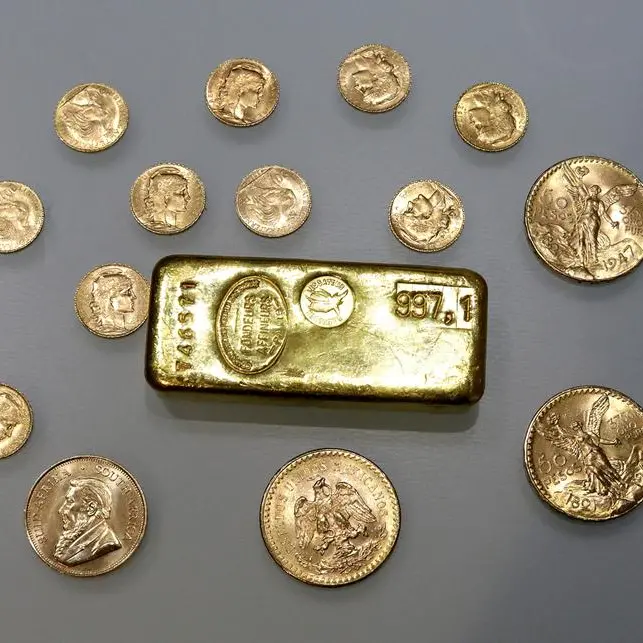
Gold prices are expected to trade higher this week if the Russia-Ukraine crisis escalates further, analysts told Zawya.
The precious metal continued to climb on Monday, trading at 1,911.47 an ounce as of 9:02 am, Dubai time. The price is up nearly 6 percent compared to a month ago.
Gold prices increased by more than two percent on Thursday after Russia launched a full-scale invasion of Ukraine. The metal is poised to register its highest monthly gain in February since July last year, with the bulls having their eyes set on the $2,000 level.
“Risk appetite sours amid the geopolitical fears and drowns the US 10-year treasury yields and the stock futures,” said Mohammed Shaheen, CEO of UAE-based Seven Capitals, a share market brokerage firm.
“Gold’s traditional safe-haven appeal can keep directing gold towards further north until the conditions settle. Looking forward to settling down the tensions between Ukraine and Russia, the gold might hit a low again.”
Other factors
Besides the rising tensions in Eastern Europe, other factors affecting gold prices are the inflationary concerns coupled with a pullback in 10-year treasury yields and increasing ETF inflows, according to Arun Leslie John, chief market analyst at Century Financial.
John said prices could hit as much as $2,000 an ounce if the conflict in Europe expands. However, there is also a possibility of prices immediately pulling back to around $1,900 an ounce if tensions ease.
“Gold’s fate will primarily depend on the developments between Russia and Ukraine. The metal is being bolstered by the escalating crisis in Eastern Europe, which has solidified gold’s reputation as a safe haven in times of geopolitical turmoil,” John said.
“President Putin’s decision to declare open war on Ukraine and launch a full-fledged military intervention has stoked anxiety and panic in risk markets and buoyed the safe-haven assets… US President Joe Biden’s promise for ‘further consequence on Russia’ and the Western response will be closely monitored for fresh trading opportunities in gold.”
The United States, along with Canada and European allies, the United Kingdom, France, Germany and Italy, announced late Saturday that they would cut off some Russian banks from international payment system Swift.
The European Commission had previously announced sanctions against Russia, which include curbing the deposits of Russian elites and limiting access to sensitive technology and aircraft equipment. Other countries, including Japan, Australia, New Zealand and Taiwan, also said they would impose measures against Russia.
(Reporting by Cleofe Maceda; editing by Seban Scaria)